Your living room looks finished.
The rug is right, the lighting is warm, the art is hung.
And it smells like nothing.
Or worse, like whatever the last takeout order was.
Guests notice a room’s scent before they consciously register anything else in it.
Get the wax type right and the size right for the room, and one candle changes the whole entrance to a space.
Warm amber drifting from the console table.
A hotel-quality reed diffuser holding steady in the entryway for weeks.
The room finally matches how it looks.
This page gets you to the right format, size, and scent for every room in the house.
Types of Candles & Home Scent
Jar candles, diffusers, and wax warmers all do different jobs. Mixing them up is why your last candle burned through in a week and did nothing.
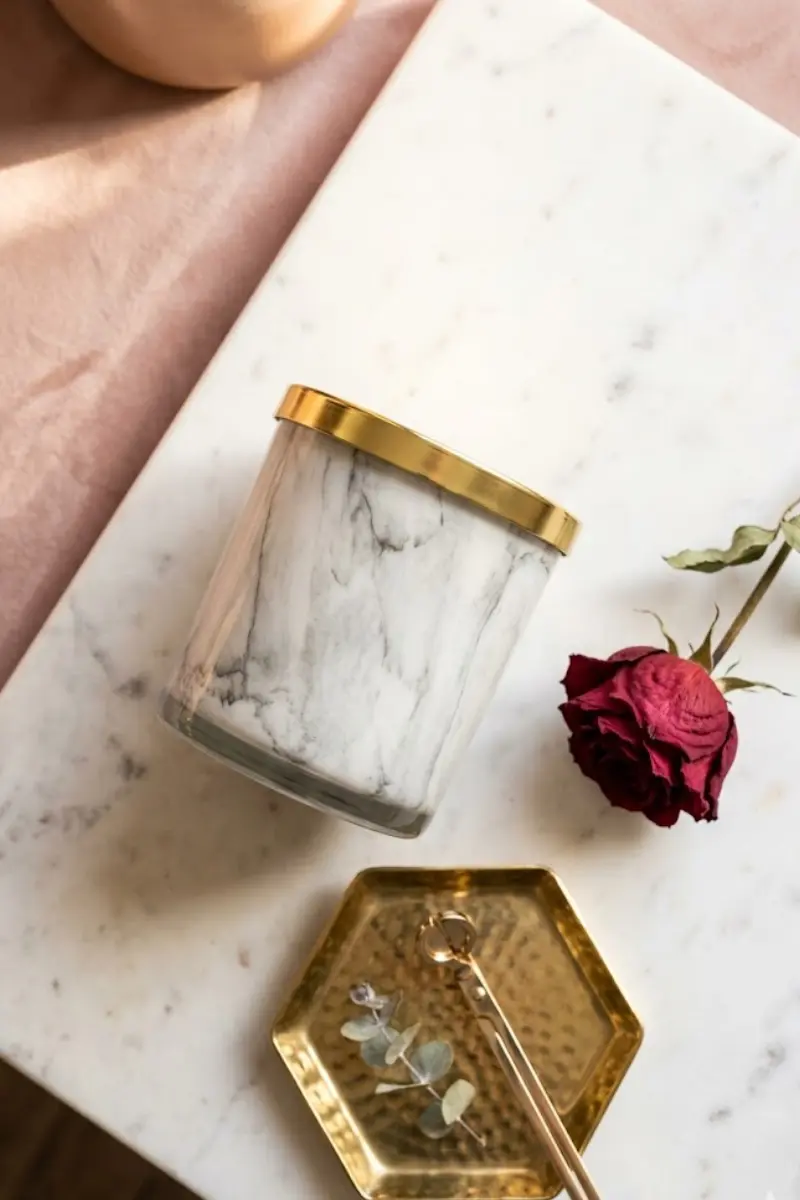
Jar Candles
The default for a reason. A soy or paraffin-blend jar candle throws scent evenly across a mid-size room and the vessel doubles as decor once the wax is gone. Look for a lid. It protects the scent between burns.
View More Details →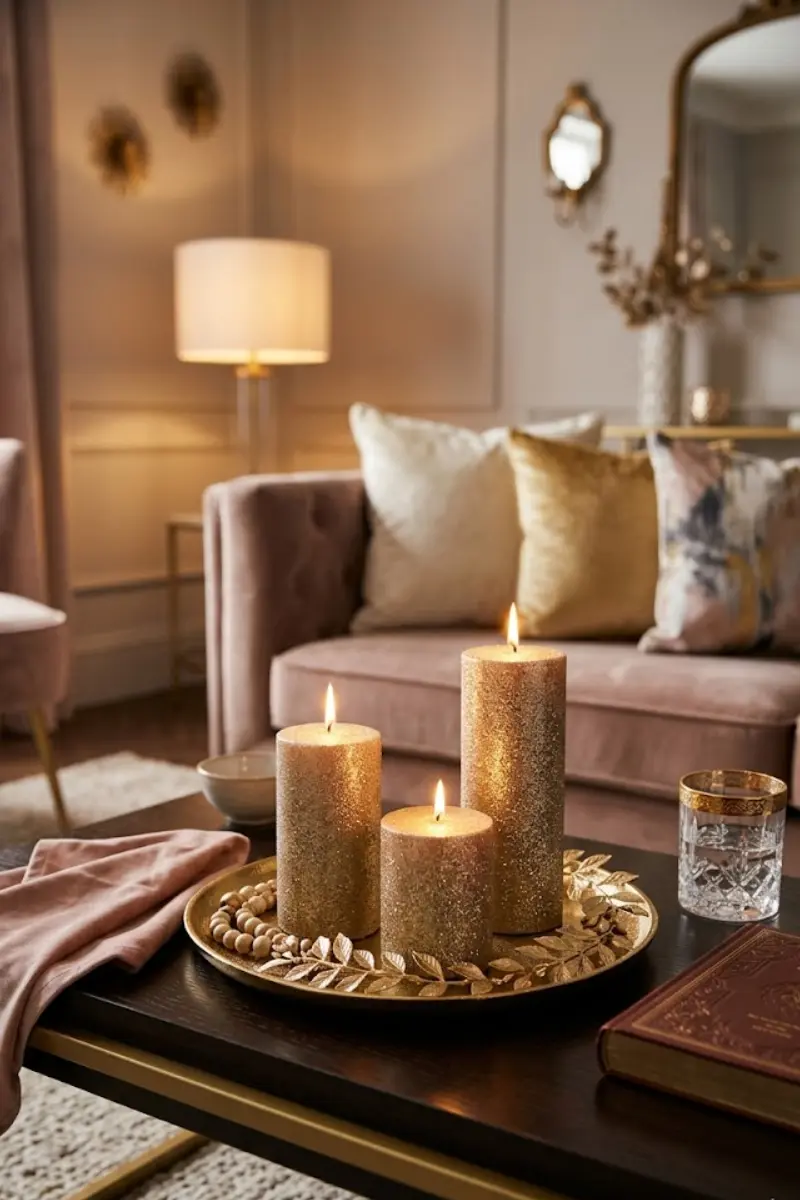
Pillar Candles
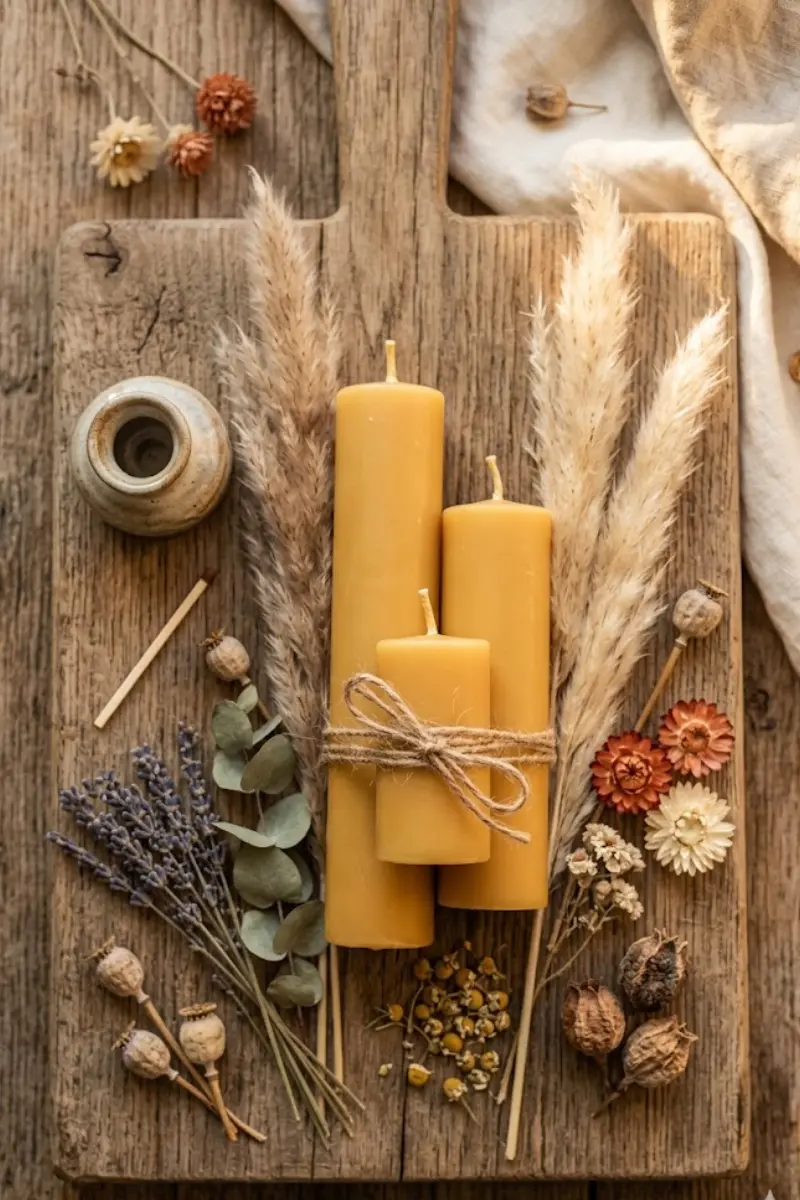
Freestanding, no jar required. Grouped in odd numbers on a tray or mantle, pillars do more visual work than any other format. Most are unscented or lightly scented. Buy these for the look, not the fragrance.
View More Details →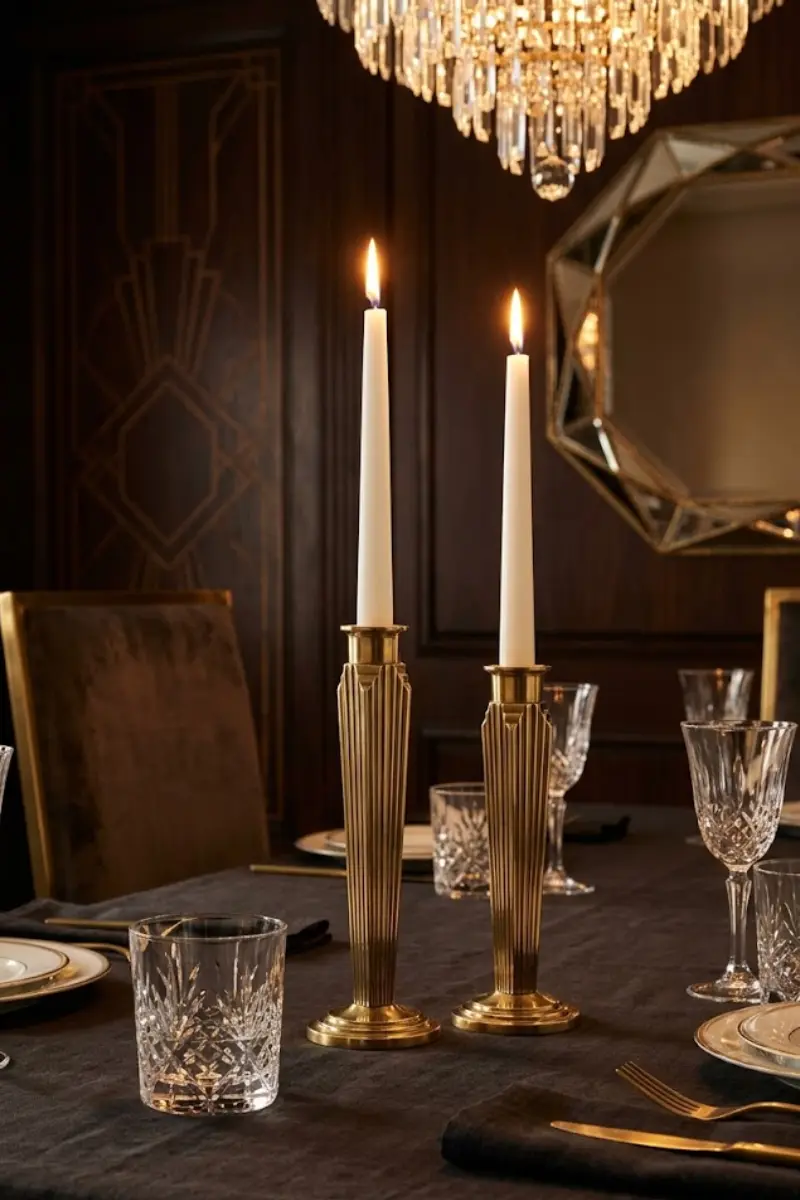
Taper Candles
Needs a holder, and that's the point. The holder is half the styling. A pair of brass candlesticks with tapers reads formal and intentional in a way no jar candle can. Trim to 6 inches before lighting so they burn straight.
View More Details →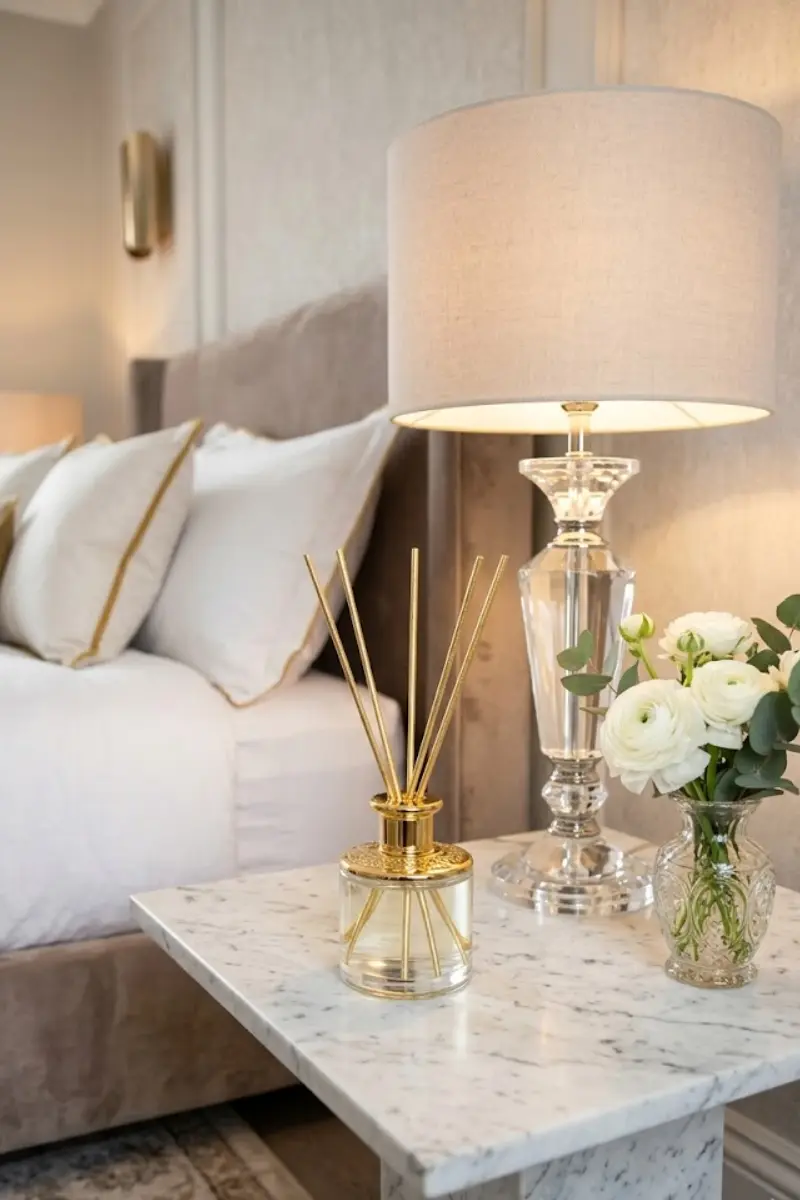
Reed Diffusers
No flame, no maintenance beyond flipping the reeds weekly. Scent is constant but quieter than a lit candle. This is the format for rooms you don't want to actively manage, like a guest bedroom or entryway.
View More Details →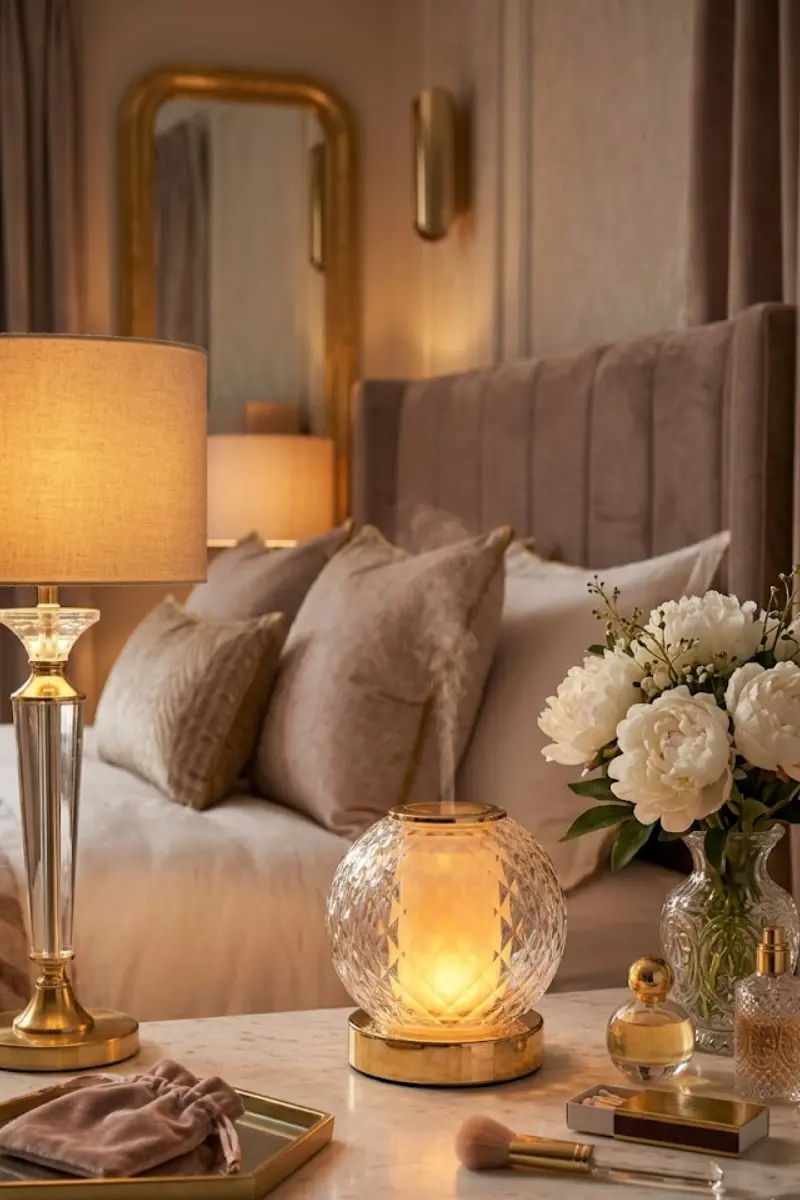
Electric Diffusers
Ultrasonic mist means you control intensity and runtime instead of the wax controlling it for you. Most double as a soft night light. The only format here that adds humidity to the room, which matters in dry climates.
View More Details →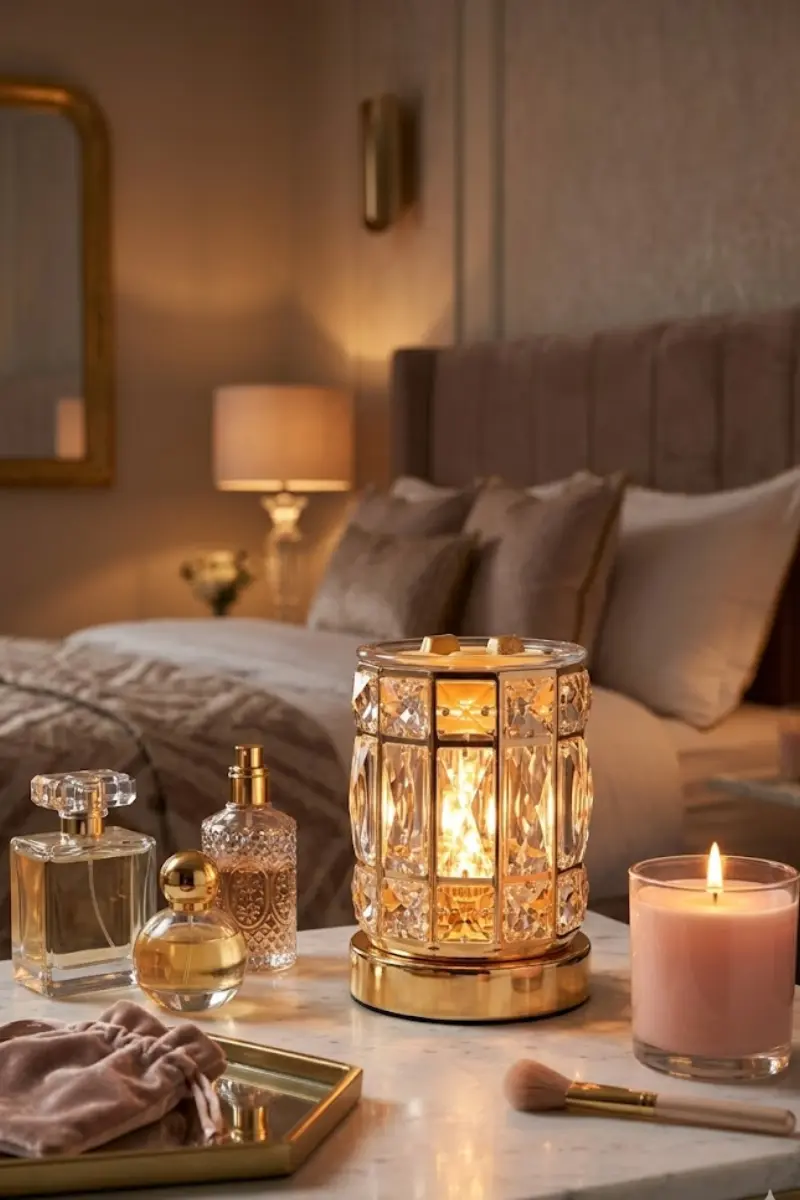
Wax Melts
Zero flame risk, which makes this the format for homes with kids or pets. Scent throw is strong and immediate since the wax is heated, not burned. The warmer itself becomes a permanent bedside object. Buy one you actually like looking at.
View More Details →Shop Candles & Home Scent
Filter by room to find the format and scent strength that actually suits the space.
How to Choose
Most people buy on scent name alone and ignore burn time, wax type, and throw. The three things that decide whether you'll repurchase.
Wax Type Changes Everything About Performance
| Wax | Burn Time (8oz) | Scent Throw | Best For |
|---|---|---|---|
| Soy | 45–60 hrs | Moderate, clean | Bedrooms, daily use |
| Paraffin | 35–50 hrs | Strong, immediate | Living rooms, large spaces |
| Beeswax | 60–80 hrs | Subtle, natural | Low-scent preference |
| Coconut-soy blend | 50–65 hrs | Strong, even | Best all-around |
Cold Throw vs Hot Throw: The Number That Actually Matters
Cold throw is how strong the candle smells unlit, sitting on a shelf. Hot throw is how strong it smells burning. A candle can have a great cold throw and a weak hot throw. That’s the one that disappoints after purchase.
Burn the First Candle Correctly or Waste the Rest of It
The first burn sets a memory pool. The wax will only ever melt as wide as it did the first time. Burn a new candle until the entire top surface is liquid, typically 2 to 4 hours depending on diameter.
Red Flags to Avoid
- No burn-time estimate listed anywhere. Usually means a thin, fast-burning fill that won’t last the size implies
- Scent name is the only description. No mention of wax type or top/base notes means the listing is hiding a weak formulation
- Reviews mention ‘smells great in the box’ but nothing about burning. A strong cold throw with a weak hot throw
- Wick looks off-centre in product photos. Leads to tunnelling and uneven glass staining within a few burns
Candles & Home Scent by Style
A gold-lidded jar candle reads completely differently on a Modern Minimalist console than it does on a Boho shelf. The vessel matters as much as the scent.
Luxury Glam
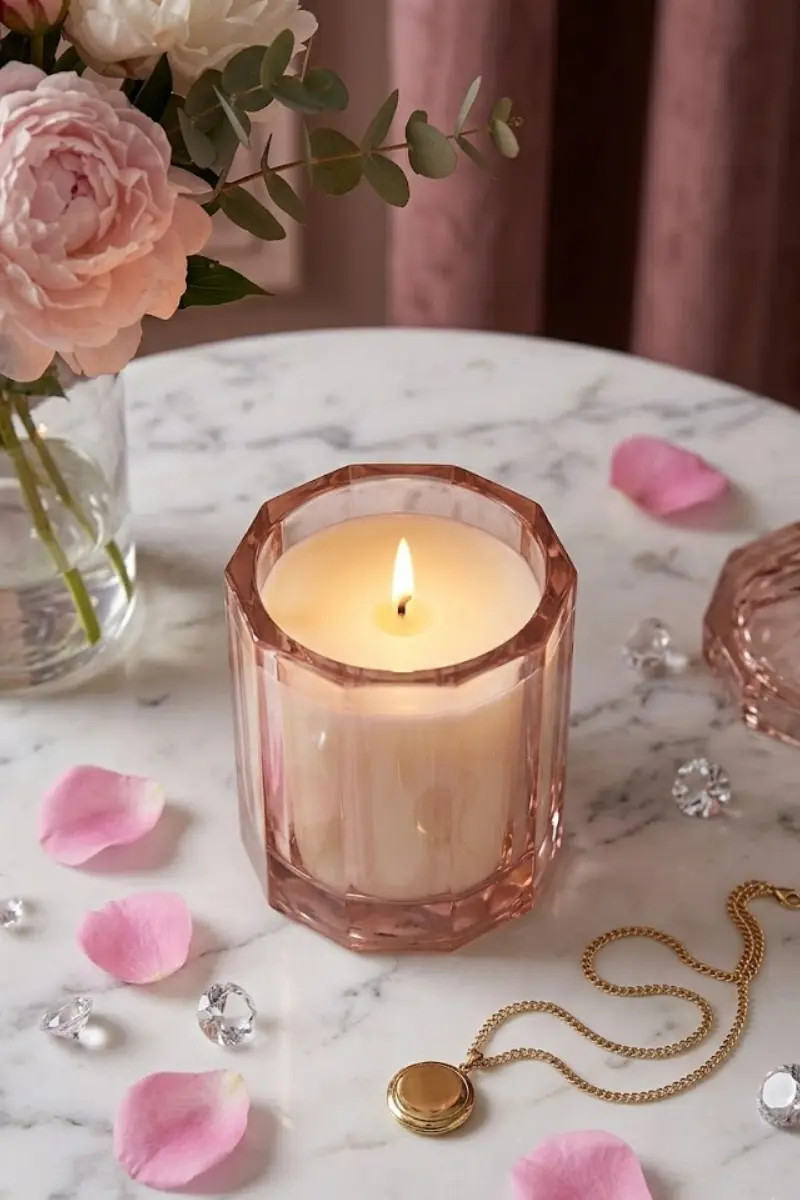
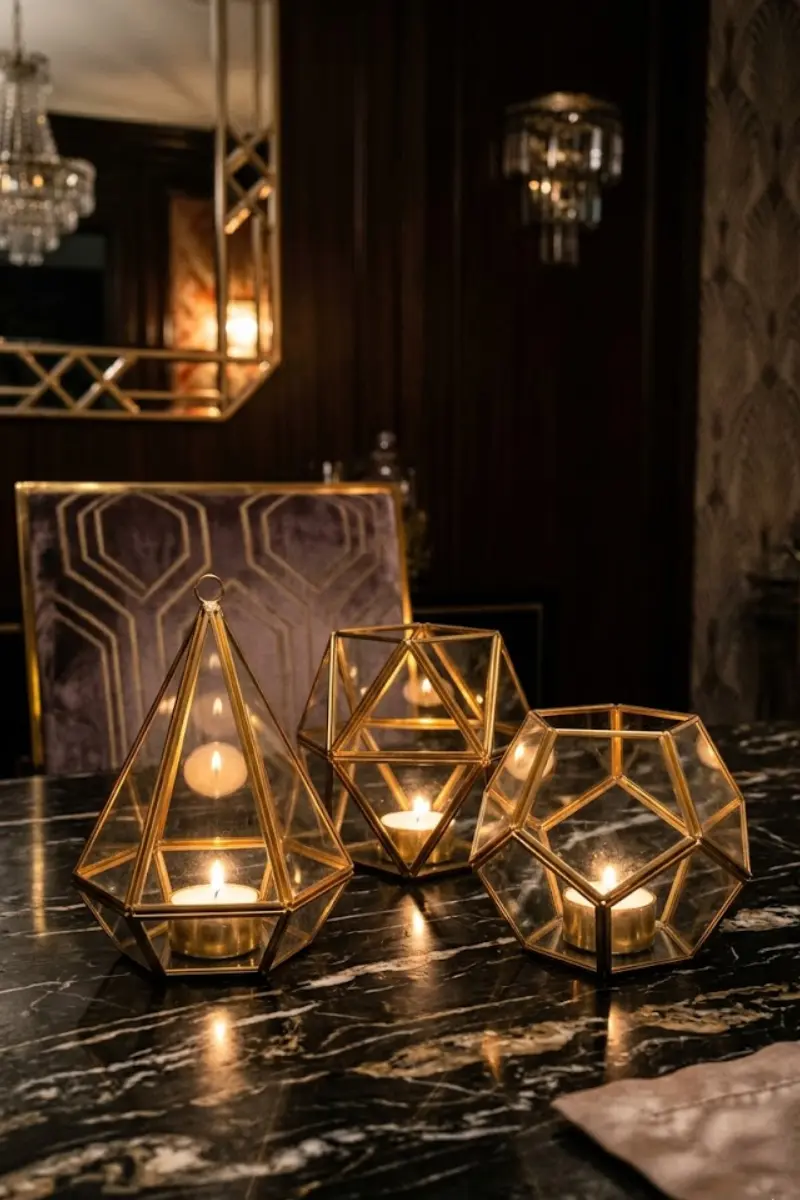
$24–$260Gold lids, black glass, marble-effect vessels. The container is doing as much work as the scent. These are candles you'd leave out even unlit. Fragrance leans warm: oud, sandalwood, amber.
Shop Luxury Glam Candles & Home Scent →
Modern Minimalist
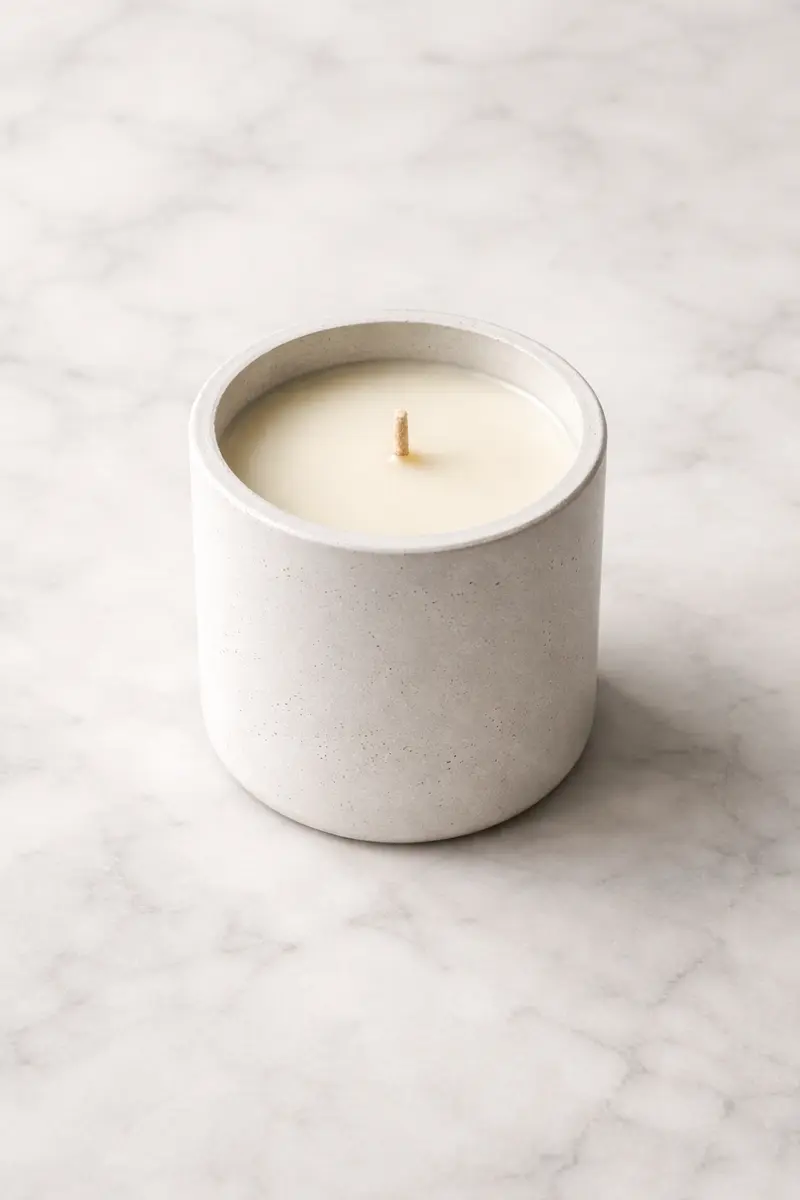
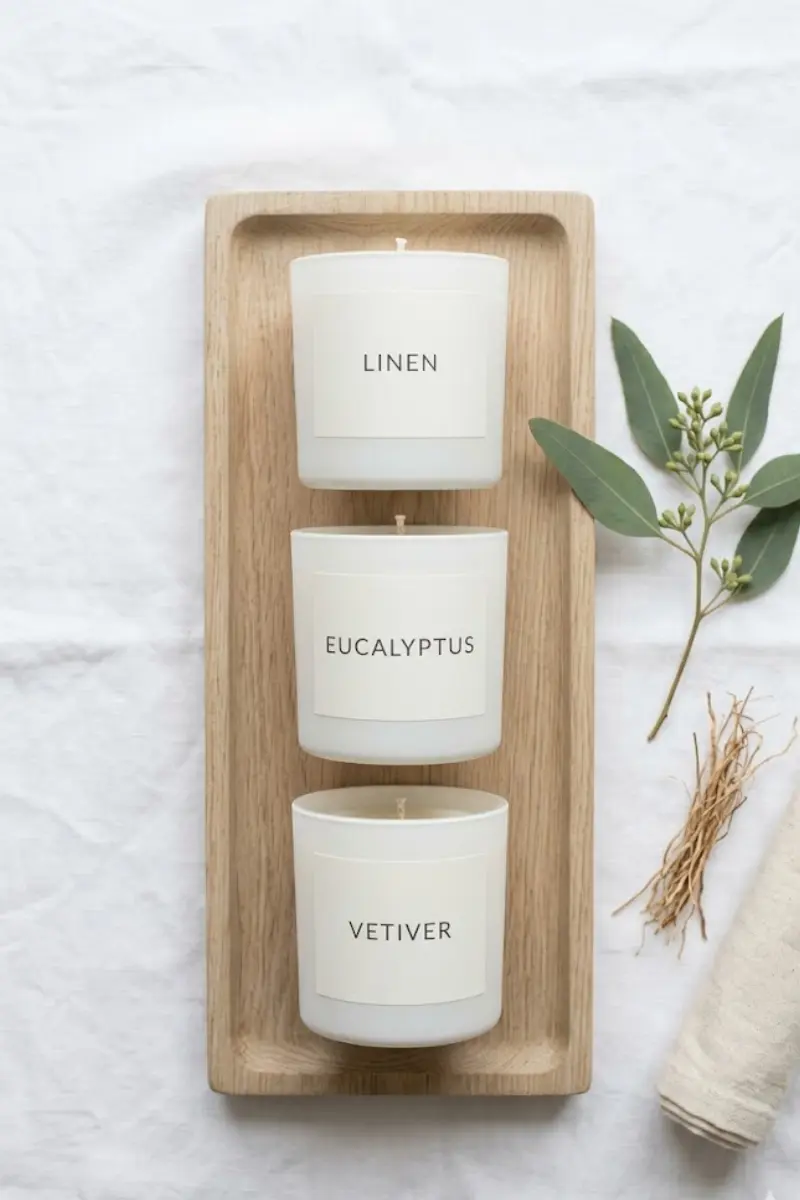
$22–$89Matte concrete or plain white glass, single clean scent notes. Linen, eucalyptus, vetiver. Nothing on the label shouts. These are the candles that survive a decor refresh because they never tried to match a trend.
Shop Modern Minimalist Candles & Home Scent →
Boho & Eclectic
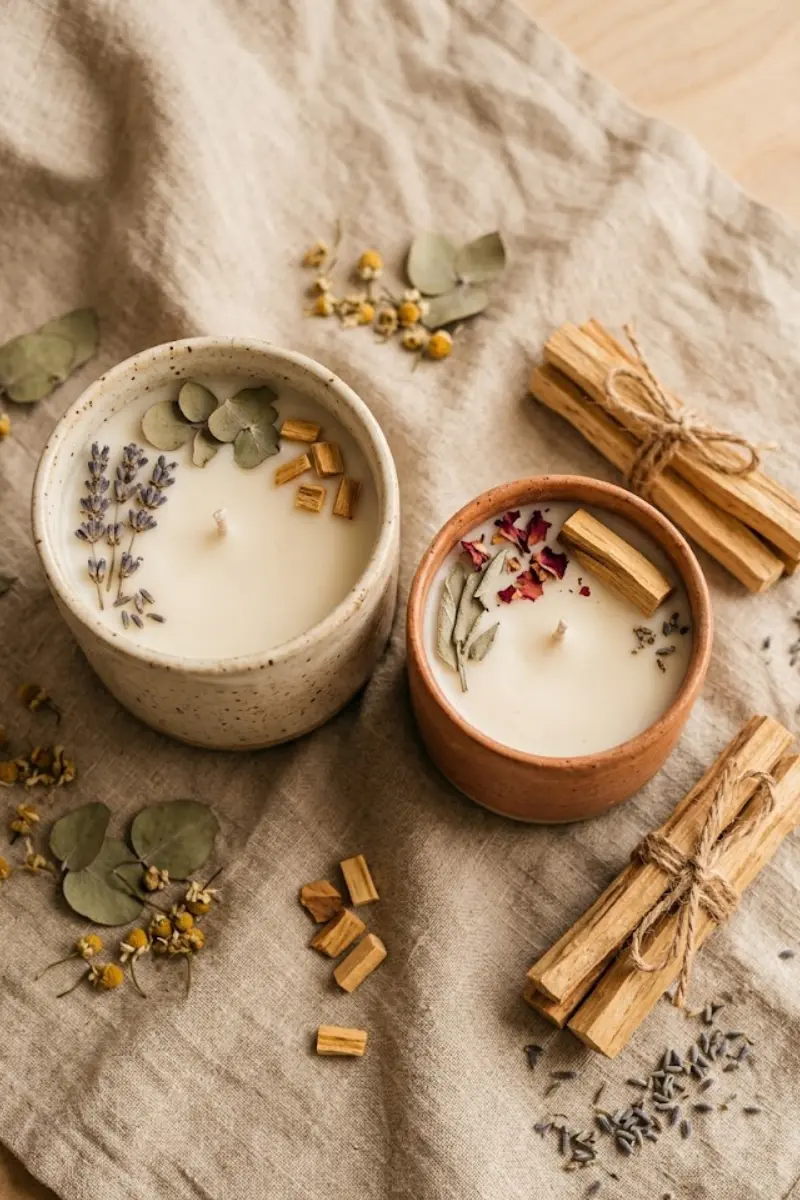
$28–$65Earthy vessels like terracotta and raw ceramic, paired with grounding, natural scent profiles: palo santo, sandalwood, beeswax honey. These read handmade even when they're not, and they pair with the natural materials already in a boho room.
Shop Boho & Eclectic Candles & Home Scent →
Coastal
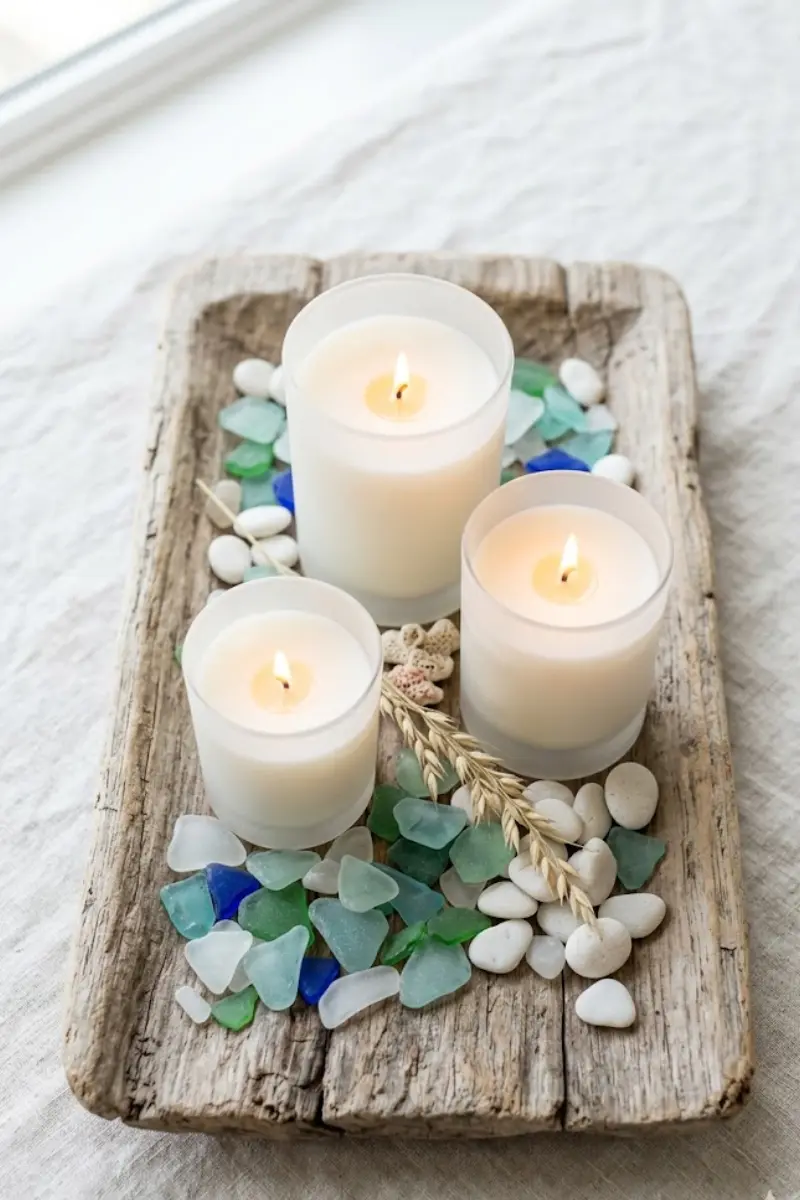
$35–$65Frosted or sea-glass vessels with ocean-adjacent scents. Sea salt, driftwood, fresh linen. Light, not heavy or sweet. These work in small doses; one lit candle is usually enough to scent an entire coastal-styled room.
Shop Coastal Candles & Home Scent →Candles & Home Scent by Room
A bedroom candle and a home-office candle need different burn times and different fragrance intensity. Here's what actually works where.
Bedroom
Best choice: One jar candle on the nightstand or dresser, plus a reed diffuser for scent that carries overnight without a flame left burning. Choose calming notes. Lavender, sandalwood, vanilla, rose.
See all for Bedroom →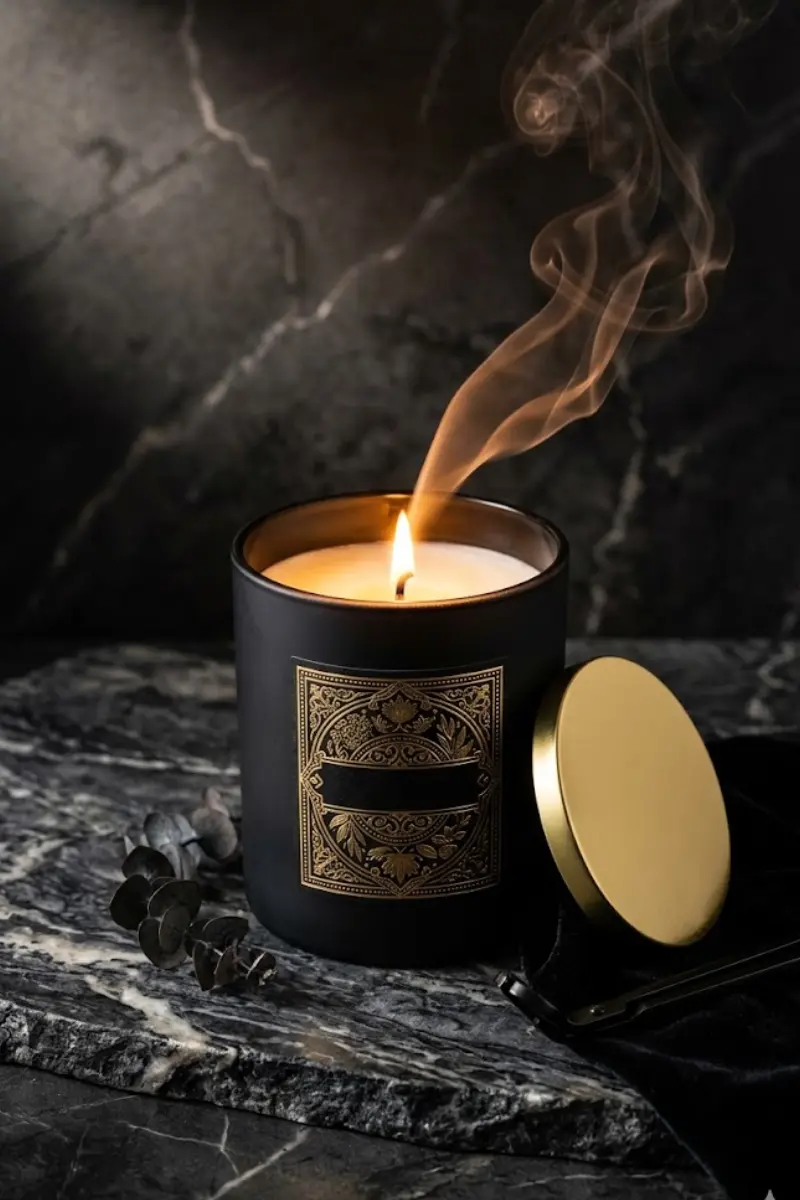
Living Room
Best choice: This is the room that can handle a stronger, statement scent. Oud, amber, warm woods. A single large jar candle (8oz or bigger) scents a living room fully within 30 minutes.
See all for Living Room →
Dining Room
Best choice: Unscented or very lightly scented only. A strong candle fragrance competes with food. Pillar or taper format, grouped in odd numbers down the table centre, does the visual job without the smell interfering with dinner.
See all for Dining Room →
Home Office
Best choice: Clean, energising notes only. Eucalyptus, mint, citrus. Heavy or sweet fragrances (vanilla, amber) get distracting during focused work and can trigger headaches in an enclosed office.
See all for Home Office →Top Picks: Bedroom
Candle Size for Room Size
A 4oz candle in a 300 sq ft living room is why you can't smell it from the couch. Match jar size to room size, not to what looks good on a shelf.
Vessel Materials Worth Knowing
The vessel outlives the wax. Buy one you'll want to keep once the candle is empty.
At a Glance
| Vessel | Feel | Reusable After? | Best For |
|---|---|---|---|
| Glass jar | Clean, versatile | Yes. Pen pot, small vase | Any room |
| Ceramic | Substantial, matte | Yes. Catchall dish | Glam, boho |
| Concrete | Industrial, heavy | Yes. Desk organiser | Minimalist |
| Tin | Lightweight, casual | Limited | Budget, travel |
Gold and Metal Lids
What Signals Quality
- A wick that’s pre-trimmed to roughly 1/4 inch and looks centred in the wax, not leaning to one side
- Fragrance oil percentage listed (8–10% is standard for a well-scented soy candle; anything unlisted is a guess)
Care + Maintenance
Trim the Wick Every Time
Trim to 1/4 inch (6mm) before every single burn, not just the first one. A long wick causes:
- Soot
- A too-large flame
- Faster wax consumption
Wick trimmers work best; scissors leave debris in the wax.
Never Burn Past 4 Hours
Store Away From Sunlight
Candle Terms Worth Knowing
Tunnelling and cold throw are the two terms that show up in every review. Knowing what they mean before you buy prevents most disappointing purchases.
Tunnelling
Cold Throw / Hot Throw
Flash Point
Price Guide: Every Budget
In candles, the money buys wax quality, fragrance concentration, and burn time. A $24 candle and a $95 candle can smell similar unlit and perform completely differently once burning.
Statement vessels. Crystal, gold hardware, electric mechanisms. You're paying for the object as much as the scent; these are the pieces that stay out permanently.
View More Details →
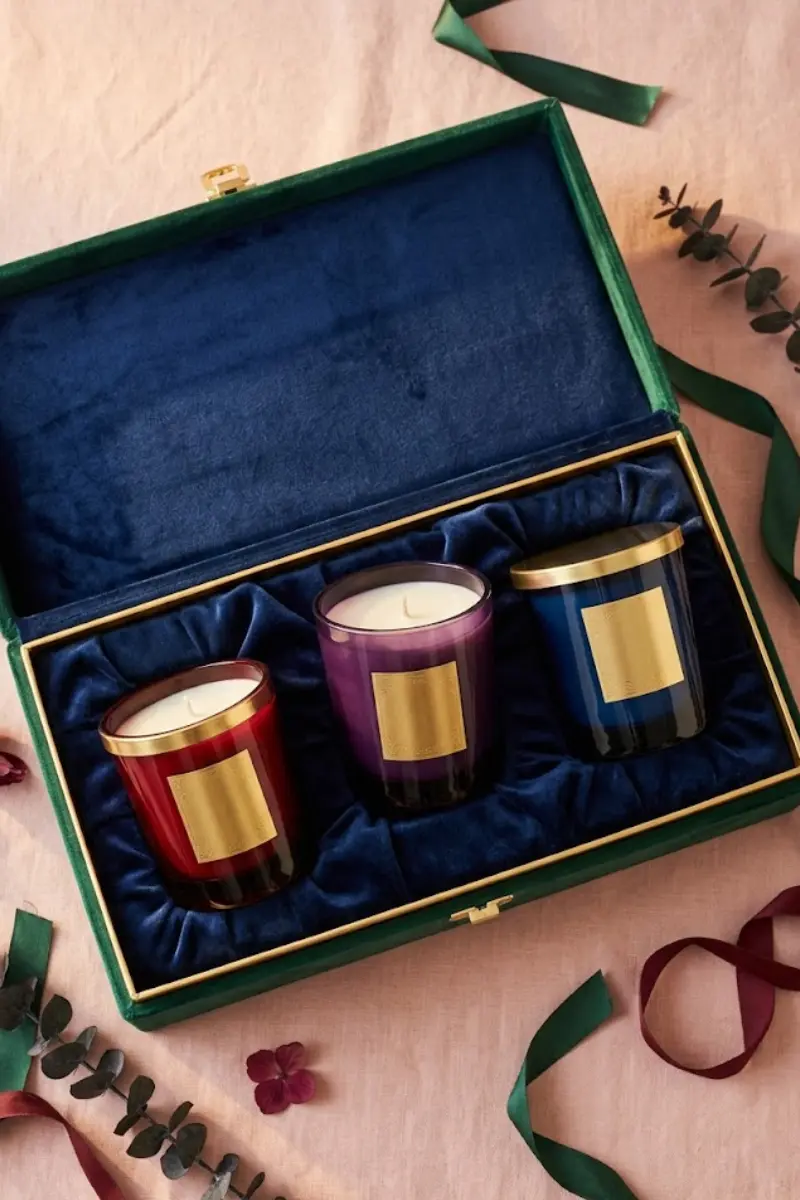
Multi-candle sets and premium single jars with real fragrance concentration. This tier is where hot throw reliably matches cold throw.
View More Details →
The best ratio of styling impact to price. Sets rather than singles, so one order covers a full mantle or tray arrangement.
View More Details →
Honest assessment: fine for a single room refresh, but check the burn-time listing carefully. This tier is where thin fills hide behind a nice label.
View More Details →Frequently Asked Questions
Why does my candle tunnel instead of burning evenly?
How long should a luxury candle last?
What's the difference between soy and paraffin wax candles?
How do I choose a scent that suits the room?
What size candle do I need for my room?
Are reed diffusers stronger than candles?
Why does my candle smell strong in the store but weak at home?
Is it safe to burn a scented candle every day?
What's the best flameless option for a home with kids or pets?
How do I make a candle last longer?
Shop by Room
Looking for candles & home scent for a specific room? Browse our dedicated room guides:
Ideas & Inspiration
You can get a real hand-poured jar candle with genuine fragrance oil under $25. Check burn …
Read guide →
Terracotta, raw ceramic, and beeswax carry the boho candle look. Not woven baskets and …
Read guide →
Soy wax burns cooler, longer, and with less soot than paraffin. Here's the real …
Read guide →Add us to your preferred sources to see our latest room styling guides and luxury decor edits first in your Google feed.