You kept the small mirror from your last place.
It fits the space but does nothing for it.
Guests clock it.
You clock it every morning.
The room looks half-finished and no cushions or throws will change that.
A wrong mirror does not blend in quietly.
It advertises exactly what the room is missing.
Get it right and the whole room shifts.
An oversized arched mirror in a gold frame doubles the natural light and adds four feet of visual depth to a bedroom that has not changed in size.
Warm light catches the bevel.
The space feels intentional, completed, like the room you saved to your phone months ago and finally made real.
This page covers every mirror type, style, room placement, sizing rule, glass quality signal, and price tier so you buy once and get it exactly right.
Types of Mirrors
The mirror you choose does more than reflect. It sets the scale, controls the light, and either makes a room feel finished or exposes exactly what is missing.
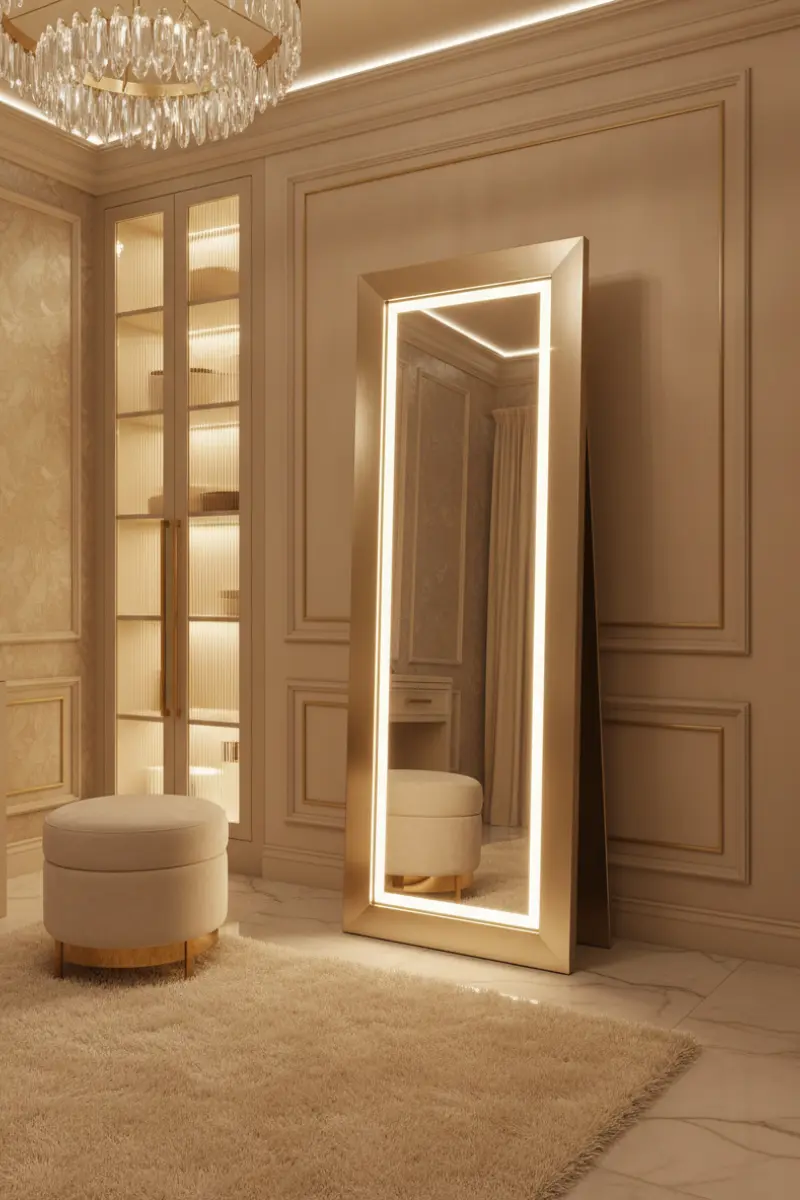
Full-Length Wall Mirror
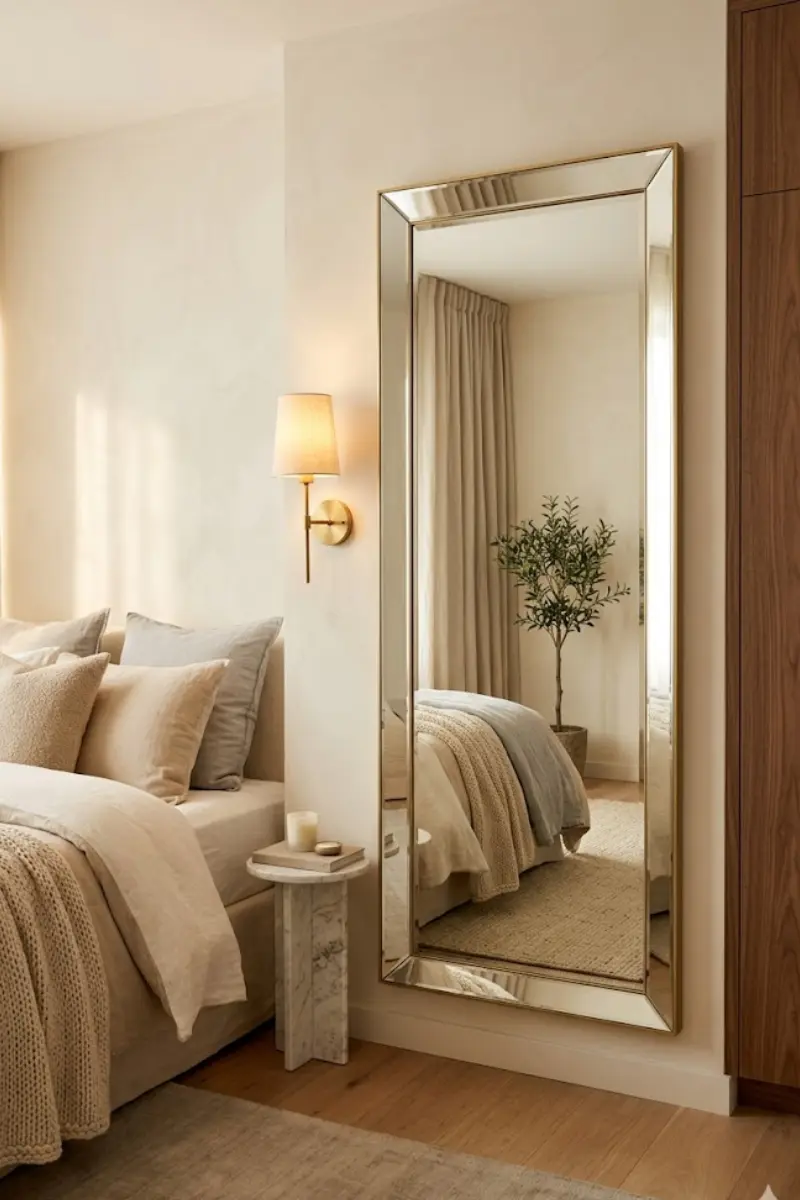
The workhorse of the mirror world. Full-length wall mirrors run 60 inches or taller and pull double duty as a grooming tool and a room expander. Mount one flush to the wall for a sleek built-in look, or choose an arched version to add architectural drama. These are the mirrors that make a bedroom feel like a hotel suite.
View More Details →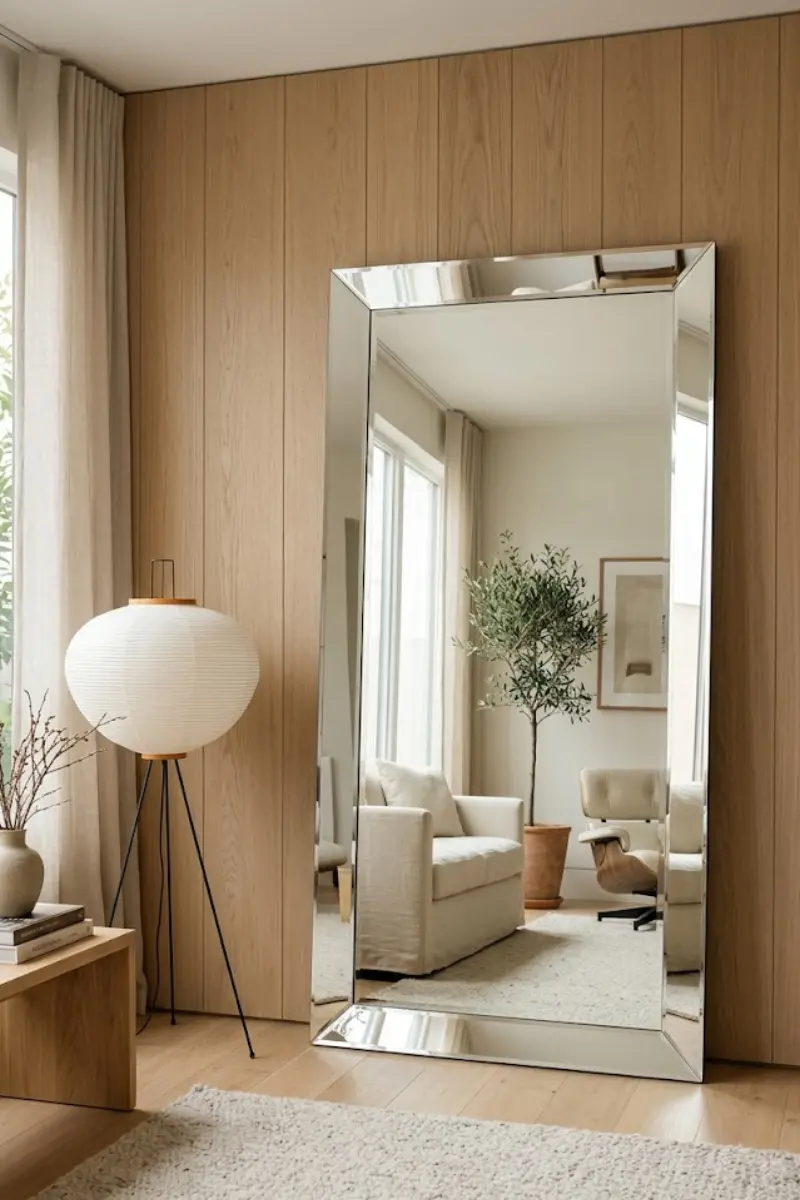
Leaning Floor Mirror
No drilling required. Leaning mirrors prop against the wall and deliver the full-length reflection of a mounted piece with a more casual, editorial feel. An oversized leaning mirror in a corner creates the illusion of a second window. It is the fastest way to make a small room feel twice as deep, and the easiest mirror to take with you when you move.
View More Details →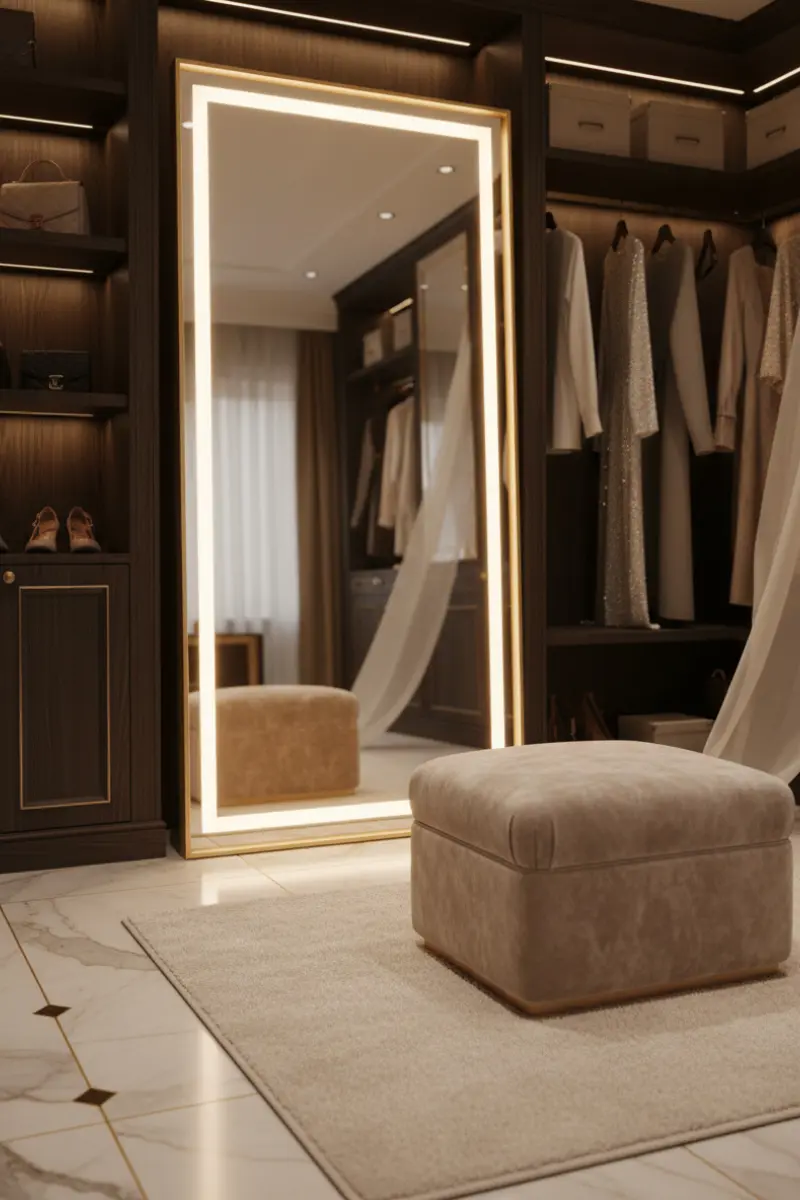
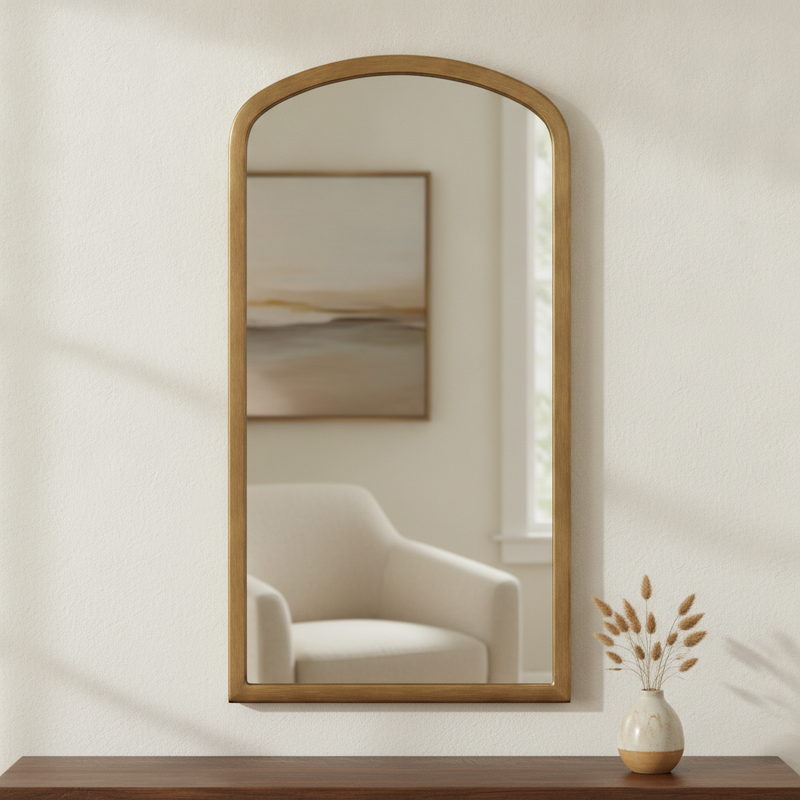
Arched Mirror
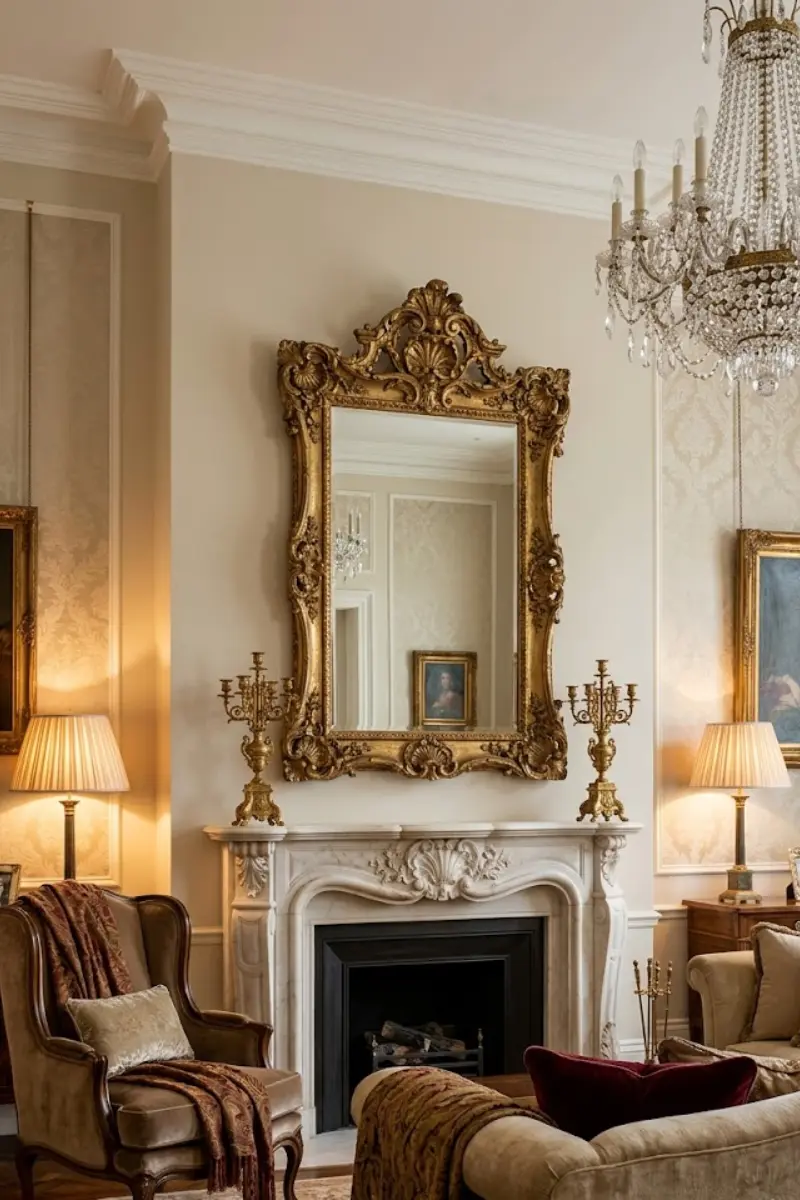
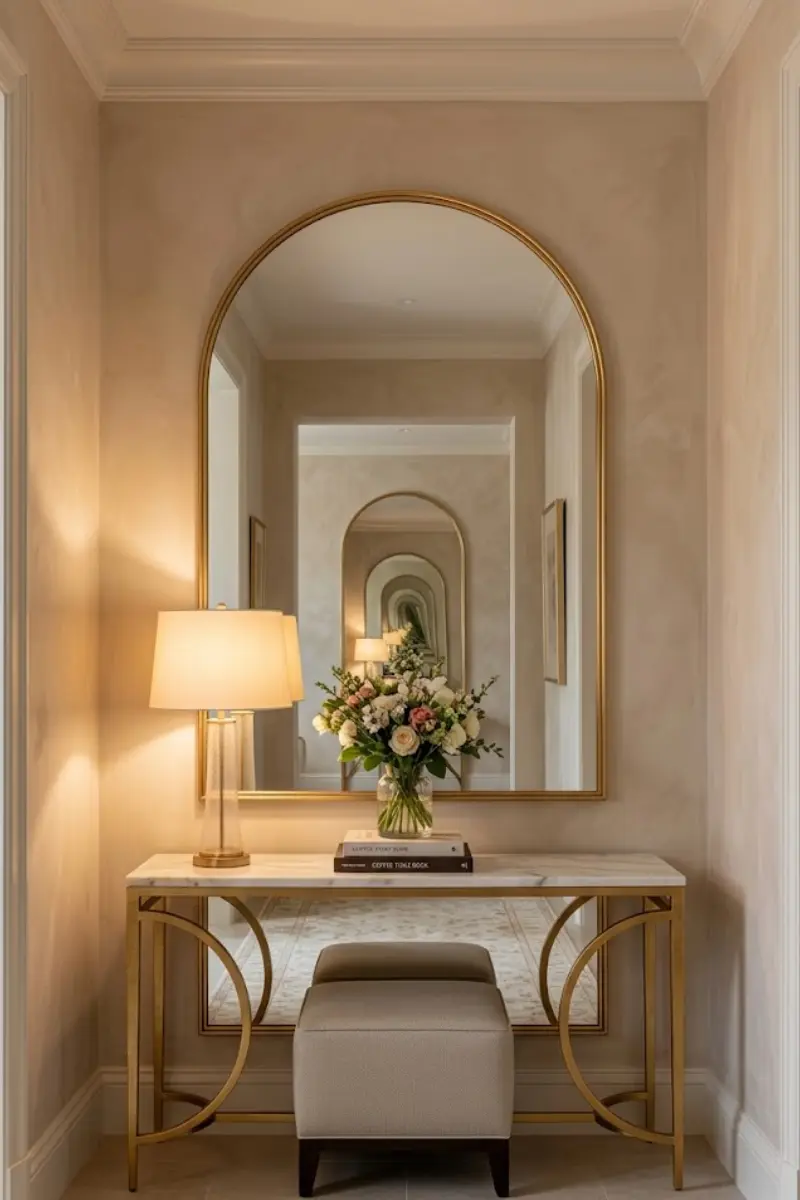
The arch silhouette brings architectural elegance to any wall. Arched mirrors work as standalone floor pieces or wall-mounted focal points, and their curved top softens rooms heavy on straight lines and right angles. The gold frame arched version is one of the most searched mirror styles right now for very good reason.
View More Details →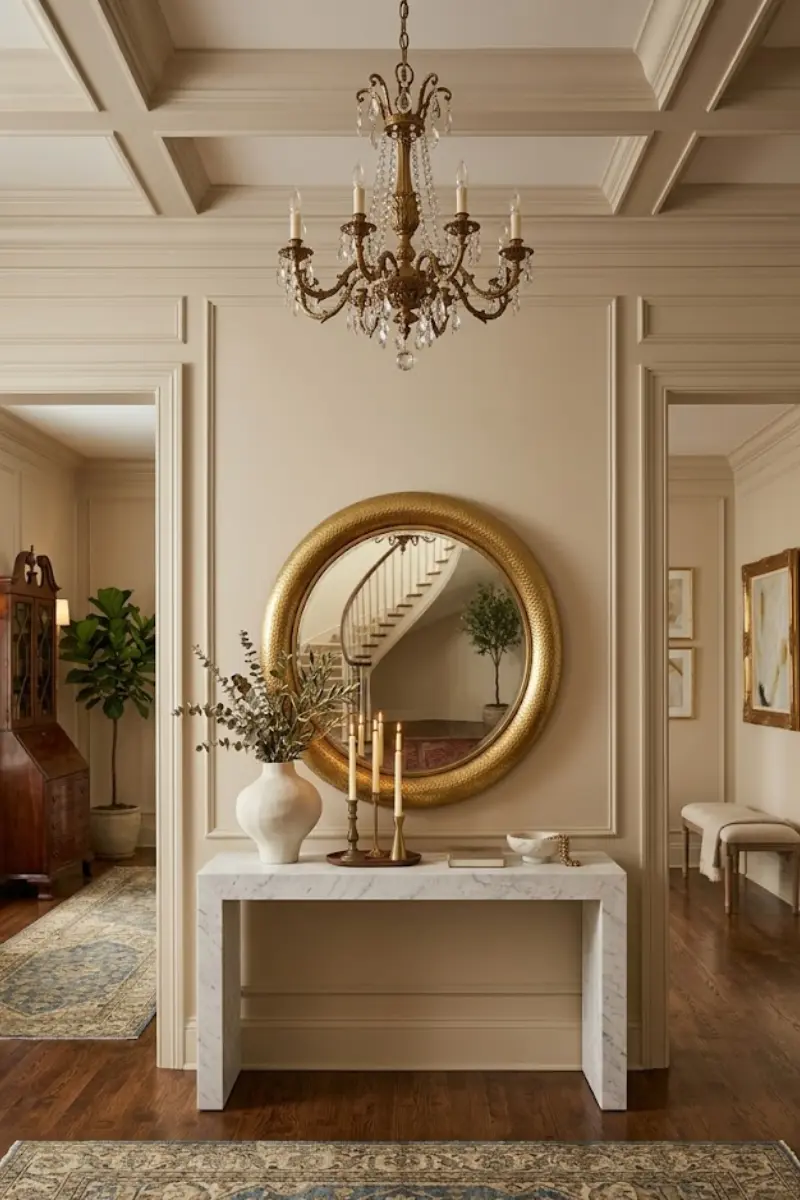
Round Wall Mirror
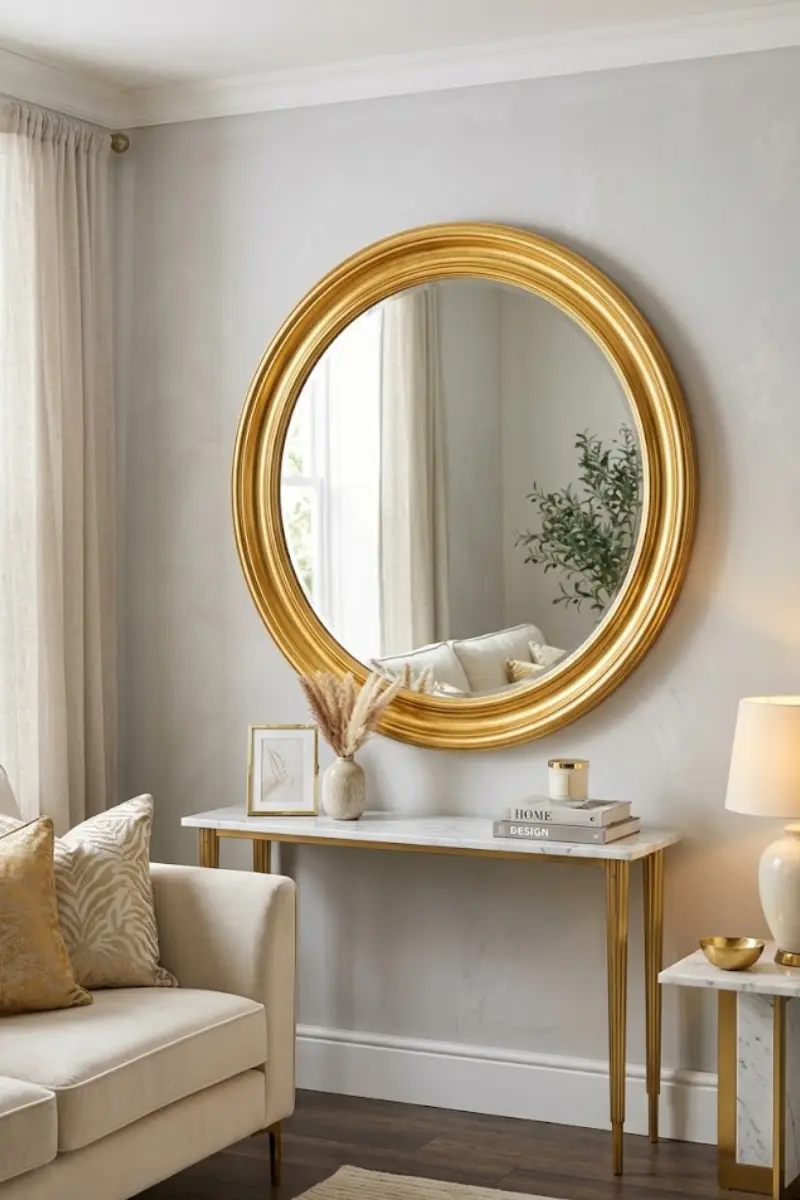
Round mirrors break visual monotony. In a room full of rectangular furniture and straight-edged art, a circular mirror draws the eye and creates natural balance. Oversized rounds above consoles, sideboards, or fireplaces are a timeless decorating move. A gold frame amplifies the impact without adding complexity.
View More Details →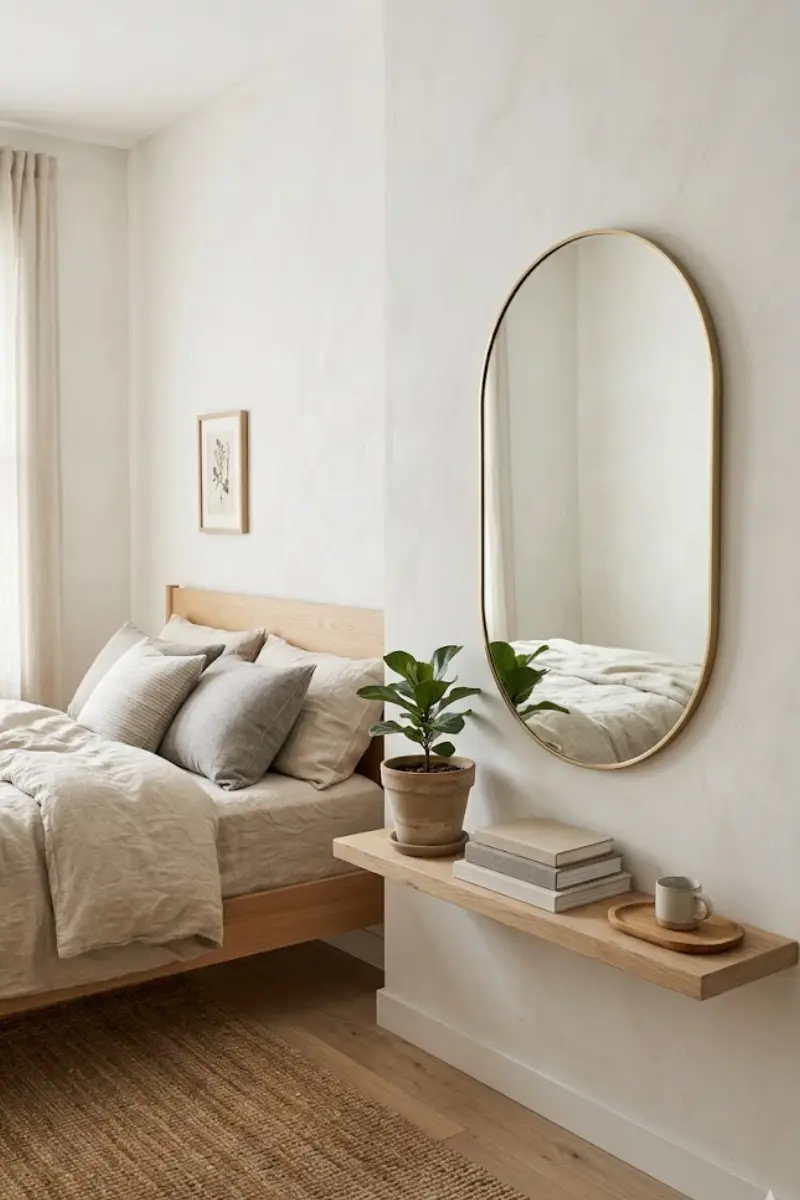
Oval Wall Mirror
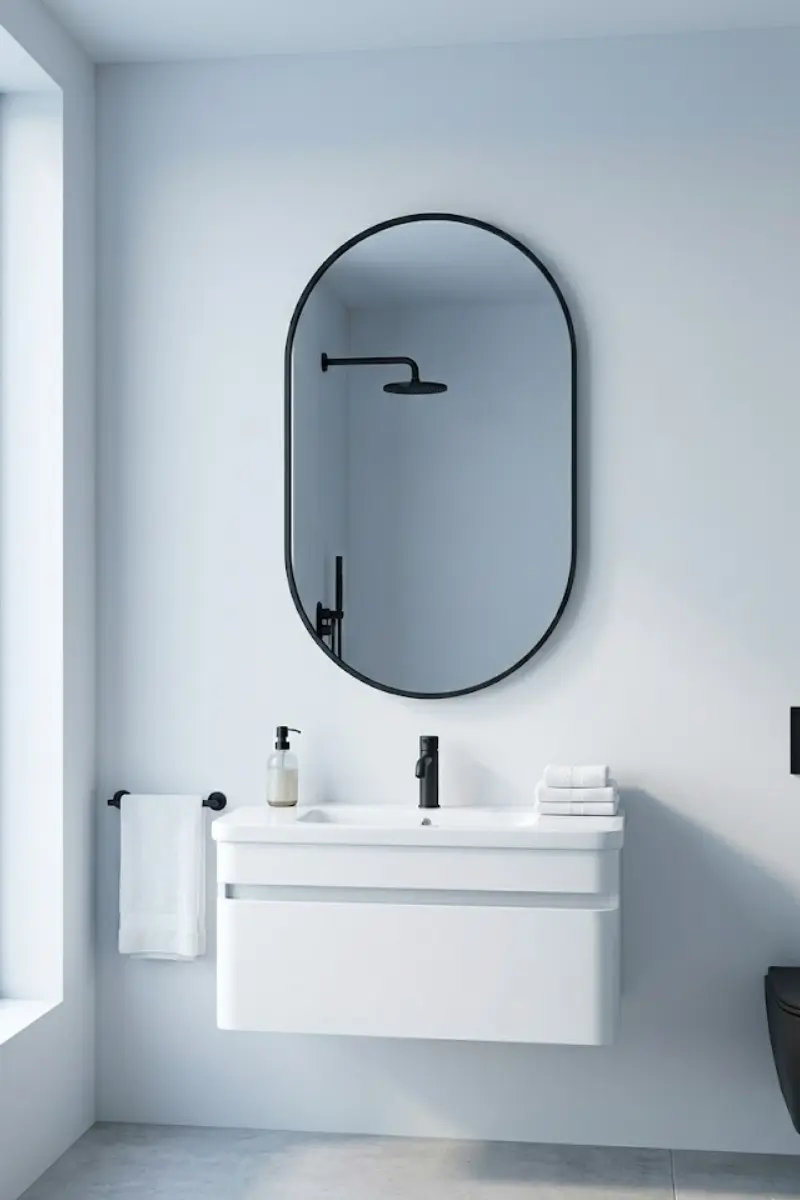
The oval sits between the circle and the rectangle. It is more refined than a round mirror and softer than a rectangular one. A thin brass or brushed gold frame makes it feel effortlessly elevated without demanding attention. Oval mirrors work particularly well in bathrooms and entryways where sophistication is needed without visual weight.
View More Details →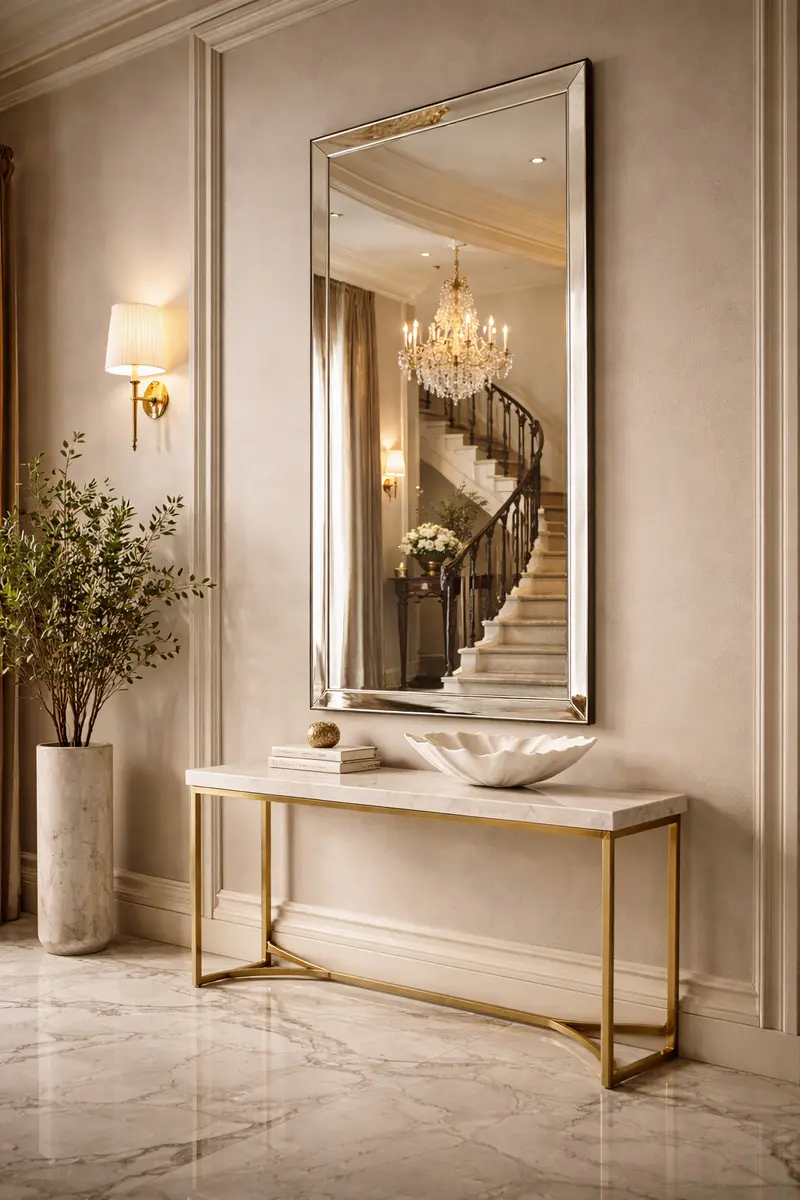
Rectangular & Beveled Mirror
Classic proportions, timeless finish. Rectangular mirrors are the most versatile shape in the category and beveled edges add light-catching detail that elevates a frameless piece. The bevel refracts light across the wall and gives the mirror its own quiet presence. Go frameless for a modern feel, or add a slim metal frame for clean definition.
View More Details →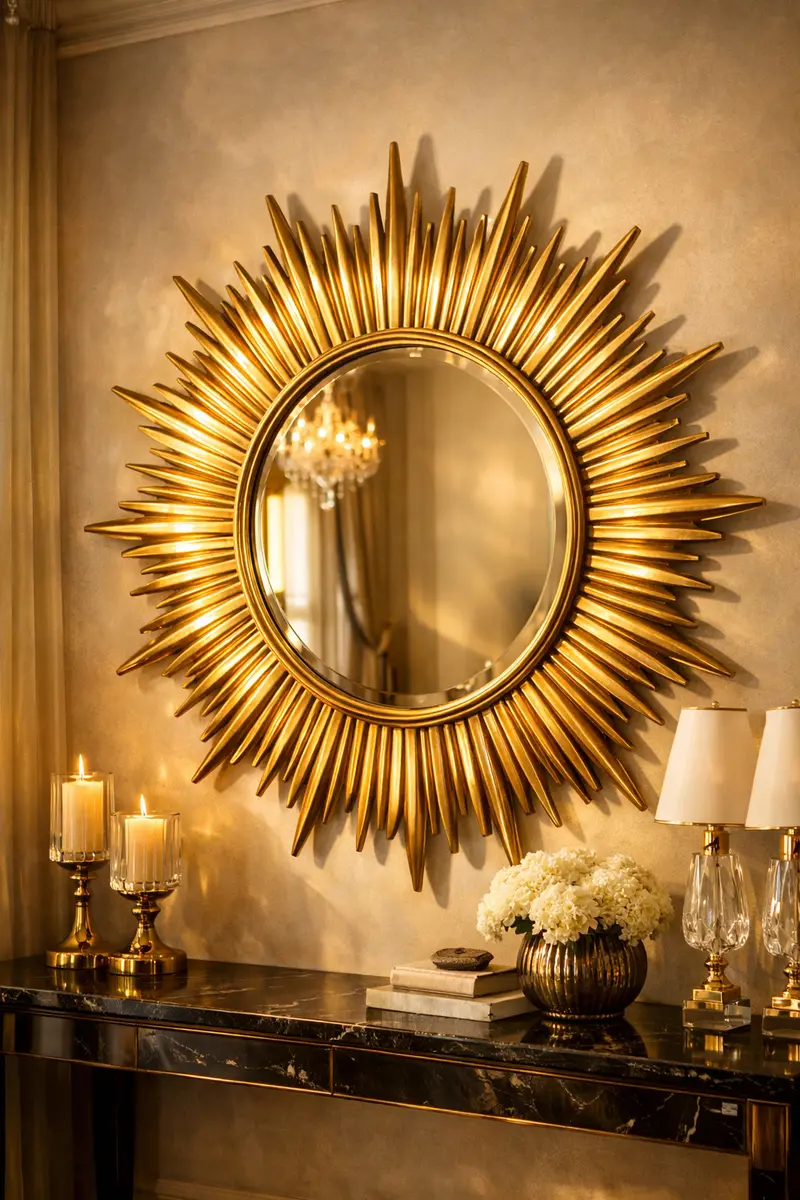
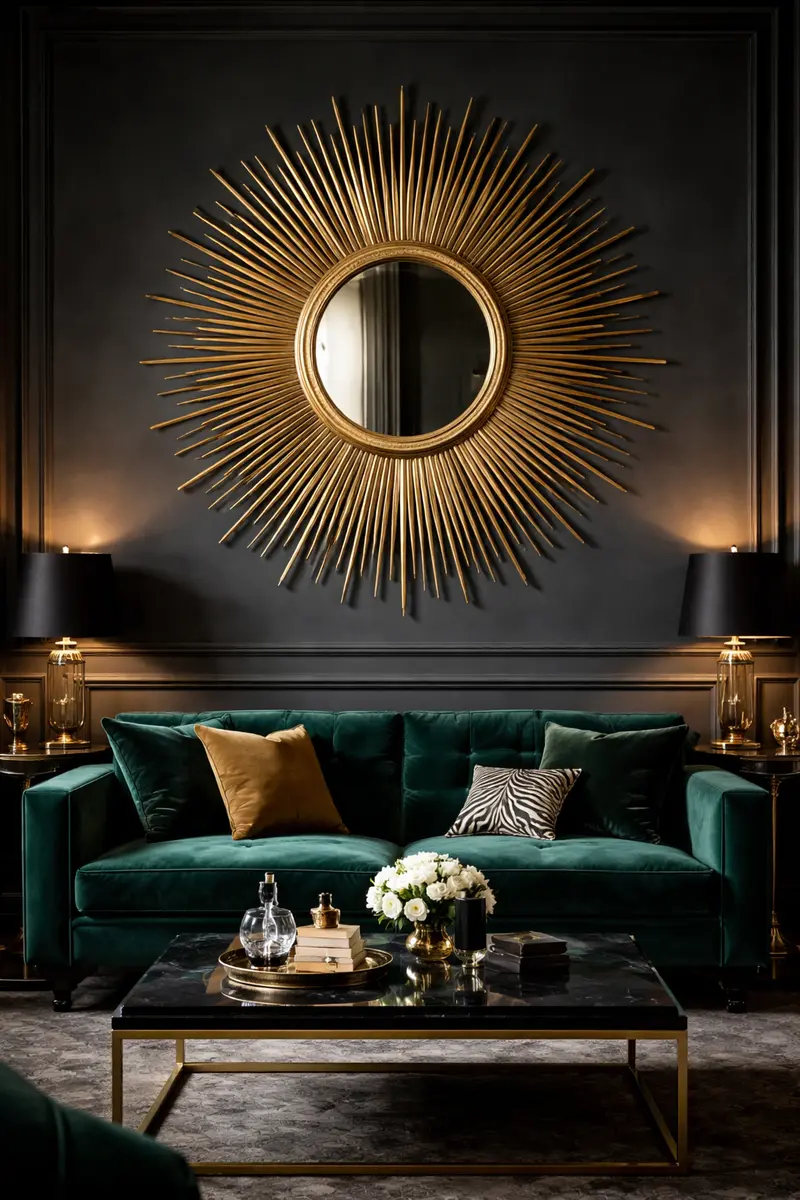
Sunburst & Starburst Mirror
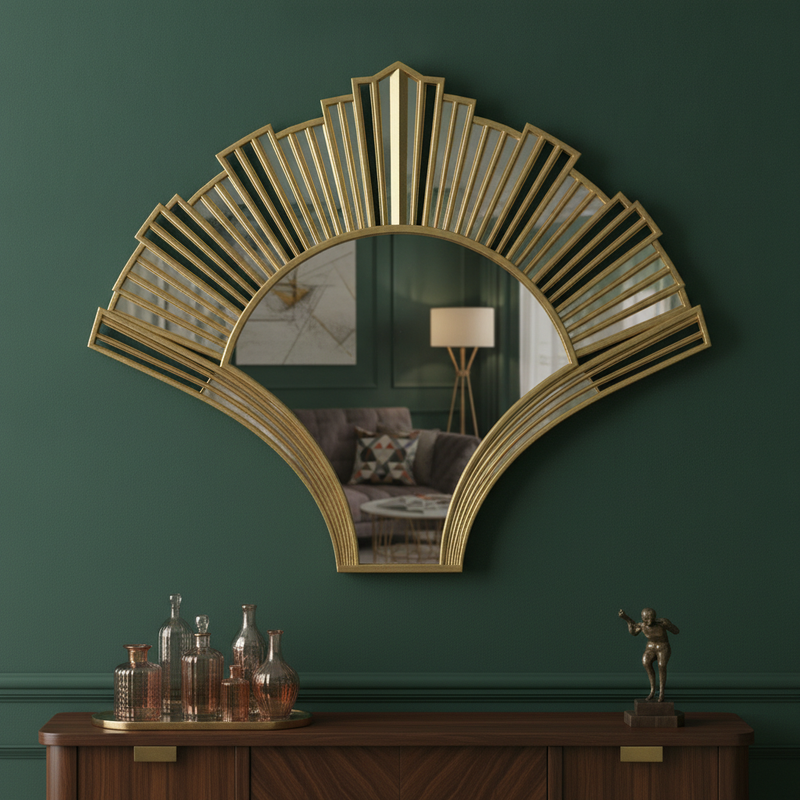
Part mirror, part wall sculpture. Sunburst mirrors radiate metallic rays from a central circular glass, creating a focal point that reads as art even in an otherwise empty room. Gold and antique brass are the classic finishes. The Art Deco version adds angular, geometric rays for a bolder, more structured statement.
View More Details →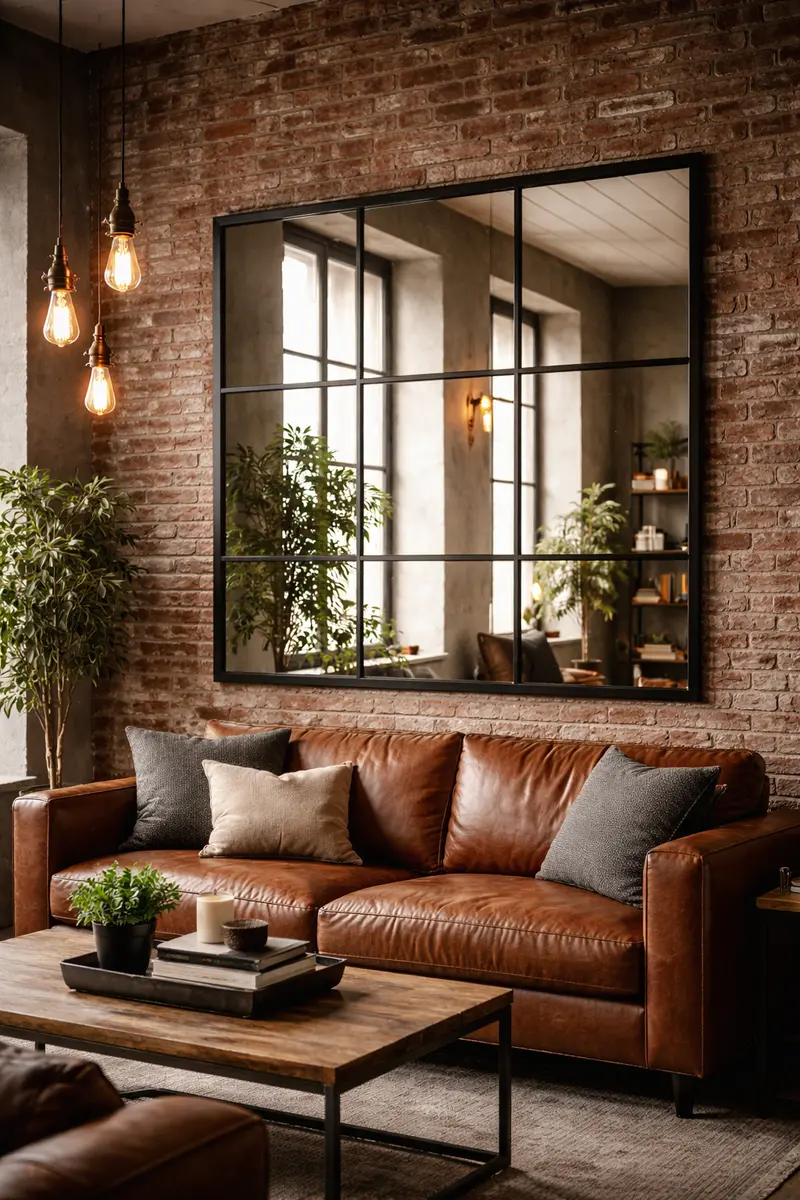
Window Pane & Grid Mirror
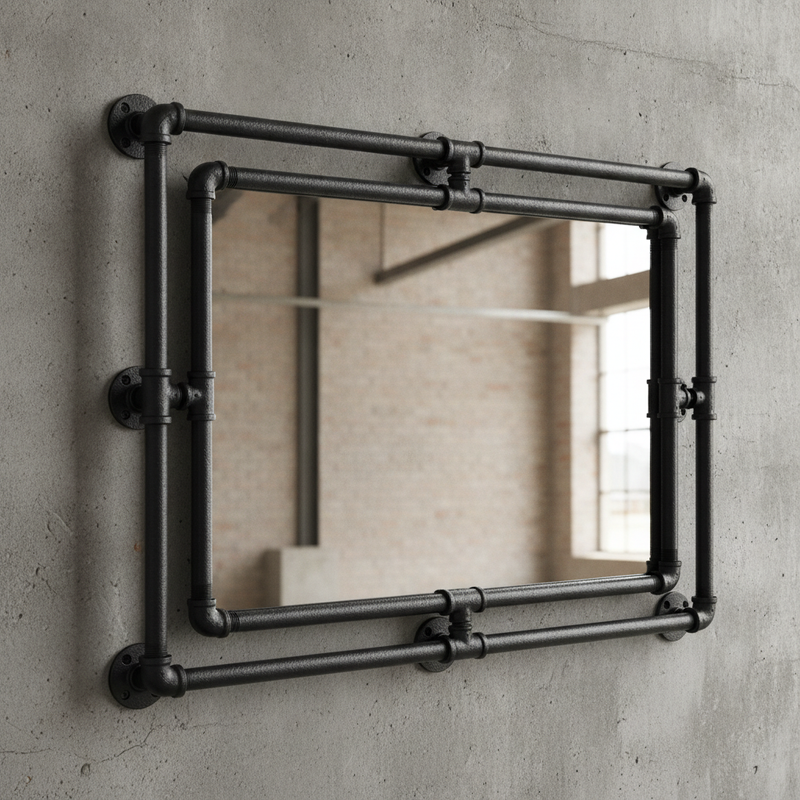
Multiple panes of glass set into a grid frame. Window pane mirrors mimic the look of casement windows and are one of the most effective tools for making a room feel like it has more natural light than it actually does. Black metal suits industrial and modern-minimalist spaces perfectly.
View More Details →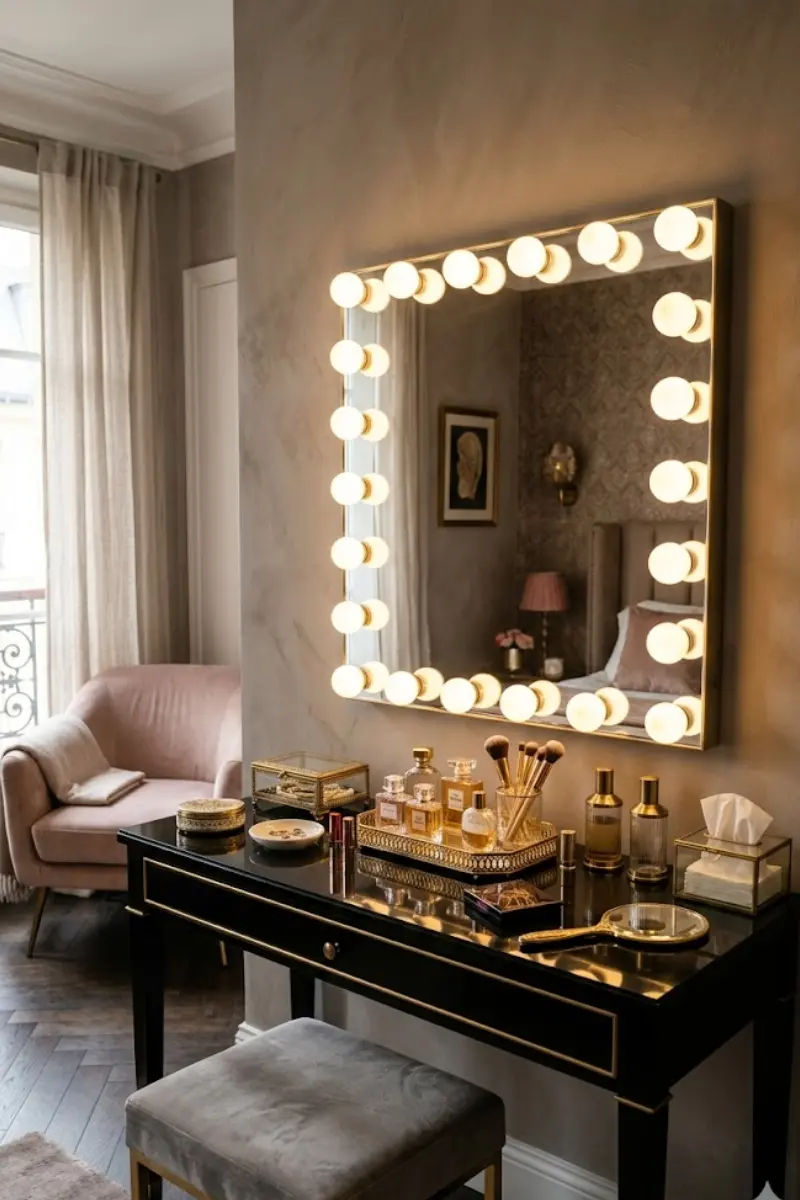
Hollywood Vanity Mirror
The mirror that earns its place at a dressing table. Hollywood vanity mirrors surround the glass with exposed bulbs that cast even, shadow-free light. This is the setup professional makeup artists rely on. Warm perimeter lighting eliminates the unflattering overhead shadows that standard bathroom fixtures create.
View More Details →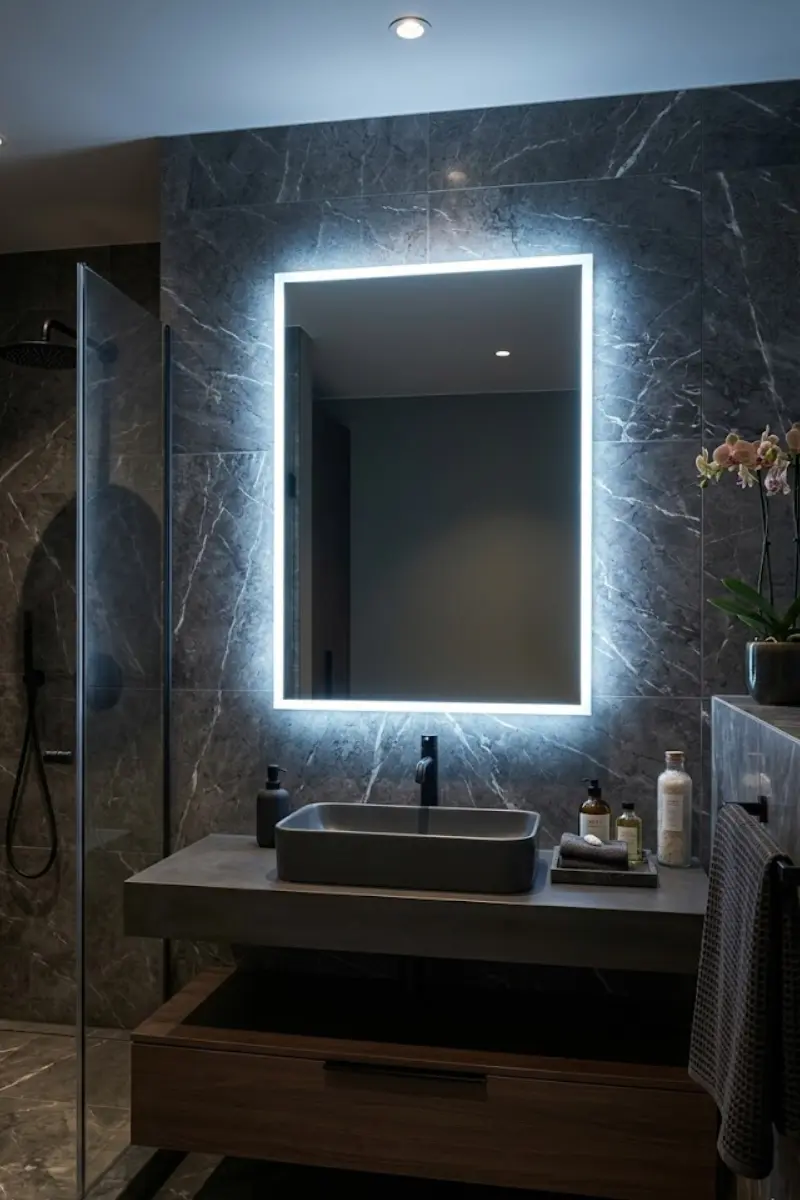
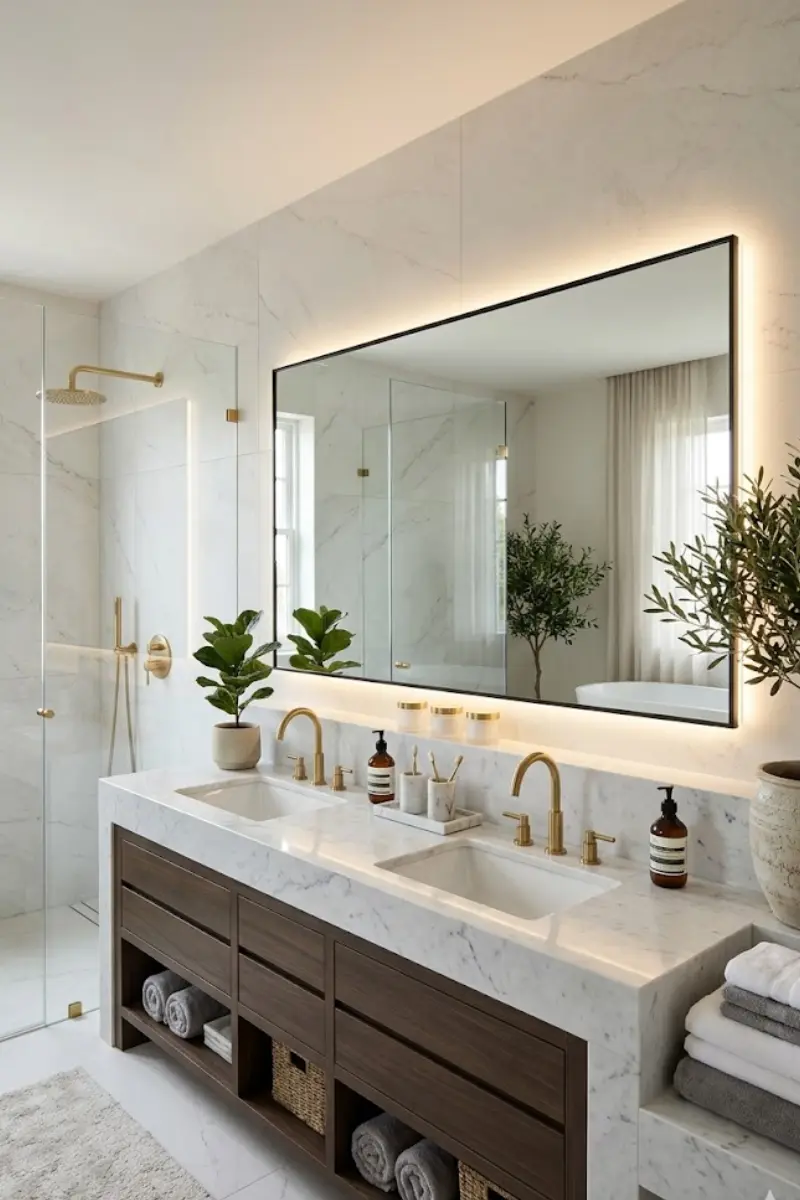
LED Backlit Smart Mirror
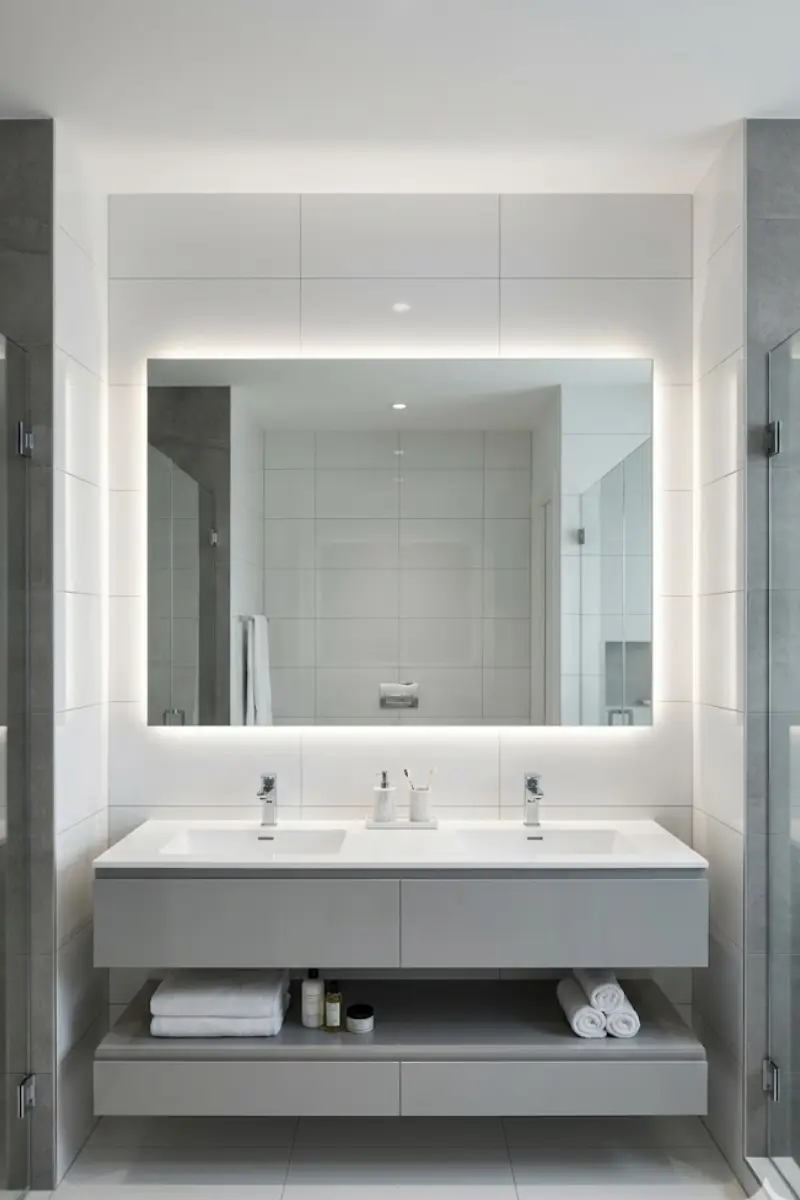
The bathroom upgrade that changes everything. LED backlit mirrors cast a halo of light around the glass that is both practical and atmospheric. Premium versions include anti-fog heating pads, dimmable controls, and colour temperature switching. Once you have one, a plain bathroom mirror will feel like a step backward.
View More Details →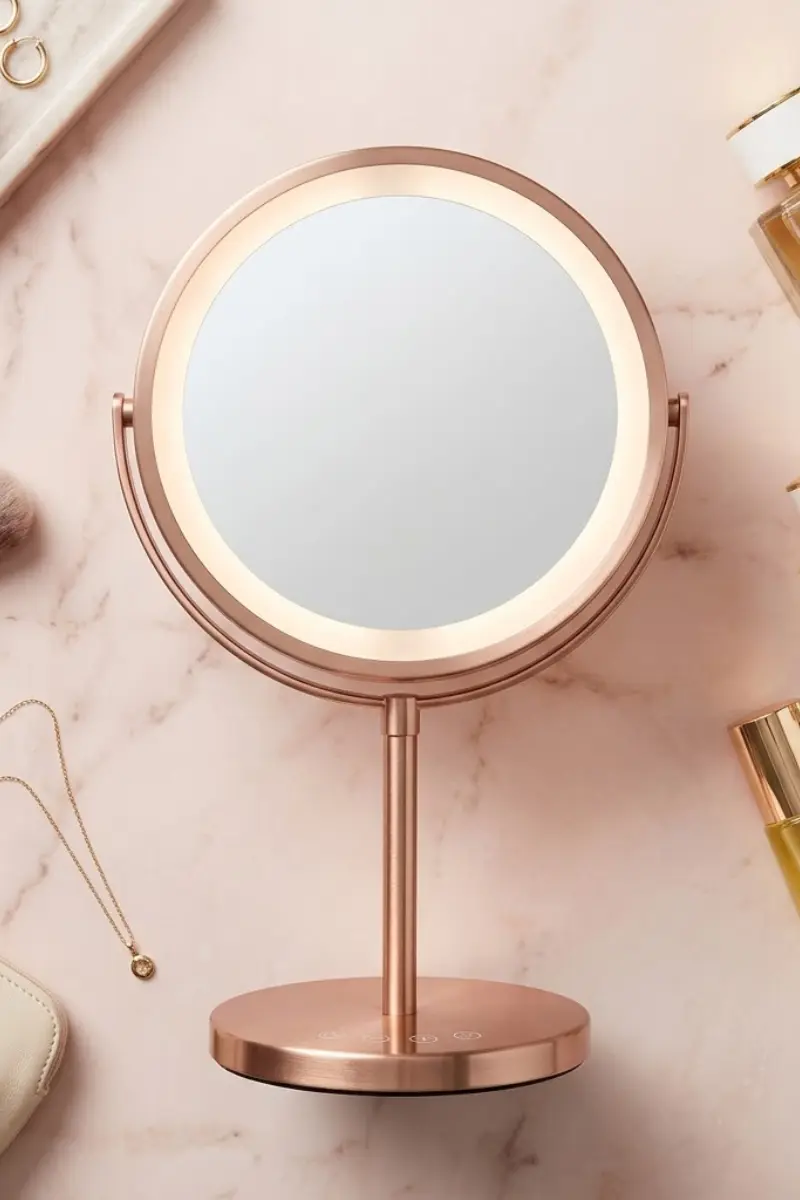
Tabletop Makeup Mirror
Precision is the whole point. Tabletop makeup mirrors sit on a vanity table or dresser and offer magnification from 5× to 10× for close-up work. LED ring lighting eliminates shadows and lets you work clearly in any room at any time. Touch controls for brightness and colour temperature are standard on quality models.
View More Details →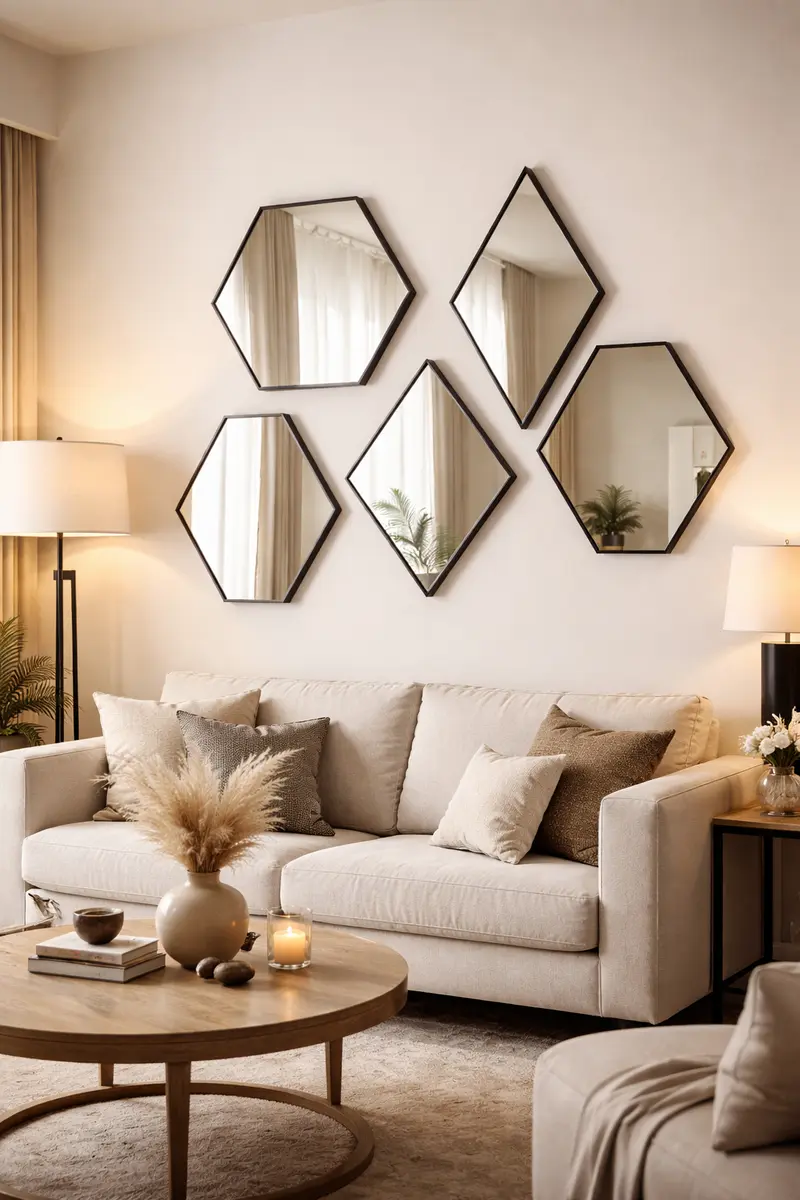
Gallery Cluster Mirror Set
Several smaller mirrors grouped to function as one large statement. Gallery sets combine different shapes and sizes to create a curated wall arrangement. The visual effect is more dynamic than a single oversized piece. Ideal for renters or anyone who wants to fill a wall without committing to one large format.
View More Details →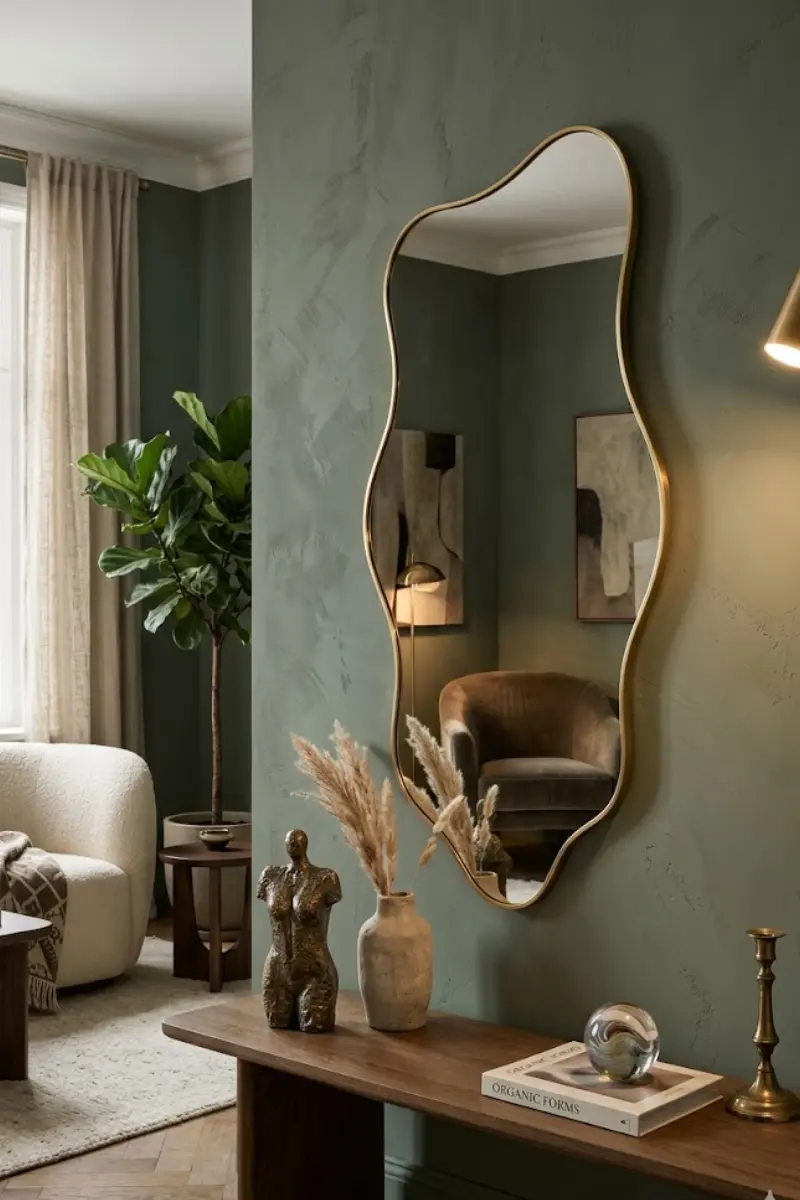
Sculptural & Irregular Mirror
Mirrors at the intersection of art and function. Sculptural and irregular-shaped mirrors are designed to be the first thing you notice in a room. Their asymmetrical edges and organic silhouettes make them one-of-a-kind wall installations. At the top of the price range, these pieces are luxury art objects that also happen to reflect.
View More Details →Shop Mirrors
Filter by room to find mirrors sized and styled for your specific space.


How to Choose
Most buyers pick the wrong size. A mirror that is too small looks like an afterthought, no matter how beautiful the frame.
Start with the size, not the style
Match frame weight to room scale
Glass quality matters more than you think
The greenish edge tint on a standard glass mirror is invisible until it sits beside a low-iron version. Low-iron glass is worth the extra cost anywhere colour accuracy matters most:
- Bathrooms
- Dressing rooms
- Vanity and makeup areas
The reflection is crisper, skin tones read true, and the mirror looks more expensive because it genuinely is. Avoid 3mm glass in anything larger than 24 inches wide. It warps.
Placement and mounting
Budget for LED features in functional spaces
Red Flags to Avoid
- Only one product image in the listing. Impossible to assess frame quality, glass edge colour, or reflection clarity without multiple angles
- Thickness not listed. Always look for 4mm minimum for any mirror over 24 inches wide; 3mm warps in large formats
- Described as ‘silver finish’ rather than ‘silver backing’ Silver finish is paint on the front; silver backing is the reflective coating on the rear
- Weight under 5 lbs for a mirror over 30 inches. Lightweight signals thin glass and thin frame construction
- LED mirror listing with no colour temperature or Kelvin rating specified. If they won’t tell you the Kelvin rating, the light quality isn’t worth advertising
- No backing type listed for a bathroom mirror. Multi-layer epoxy backing is required in humid spaces; single paint backing fails within 18 months
- Decorative mirror with no material breakdown for frame. Resin rays age very differently to metal; confirm before buying
Mirrors by Style
A gold frame reads completely differently in a Luxury Glam setting versus a Rustic Farmhouse one. Here's how each aesthetic plays out in mirrors.
Luxury Glam
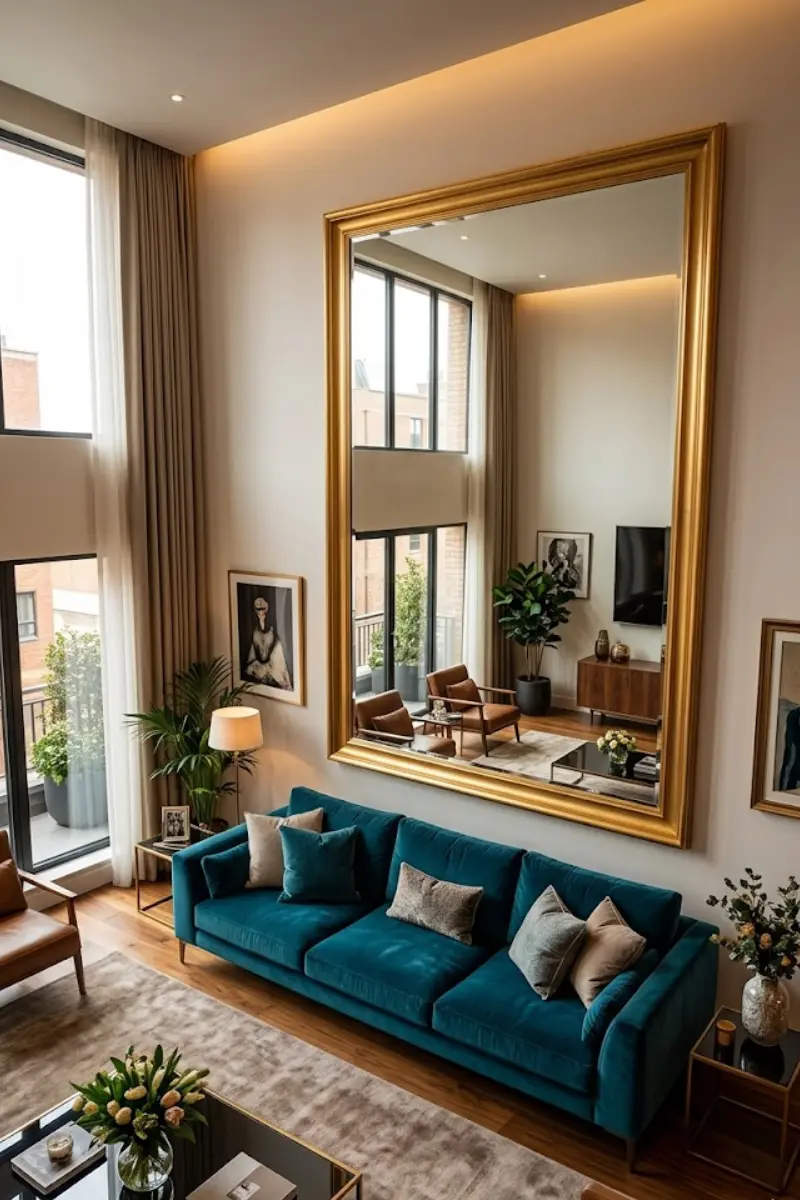
$165–$850+Oversized proportions, gold or champagne finishes, and maximum reflective surface. Glam mirrors favour rounds and arched shapes in thick gold frames, often with beveled edges that catch and scatter light across the walls. The goal is to make the room feel limitless. Bigger is always right.
Shop Luxury Glam Mirrors →
Modern Minimalist
$89–$520+Frameless or barely-there frames in matte black, brushed steel, or thin natural brass. Clean rectangular and oval shapes are the default. The mirror itself is the feature, not the frame. Oversized formats add presence without visual noise.
Shop Modern Minimalist Mirrors →
Boho Eclectic
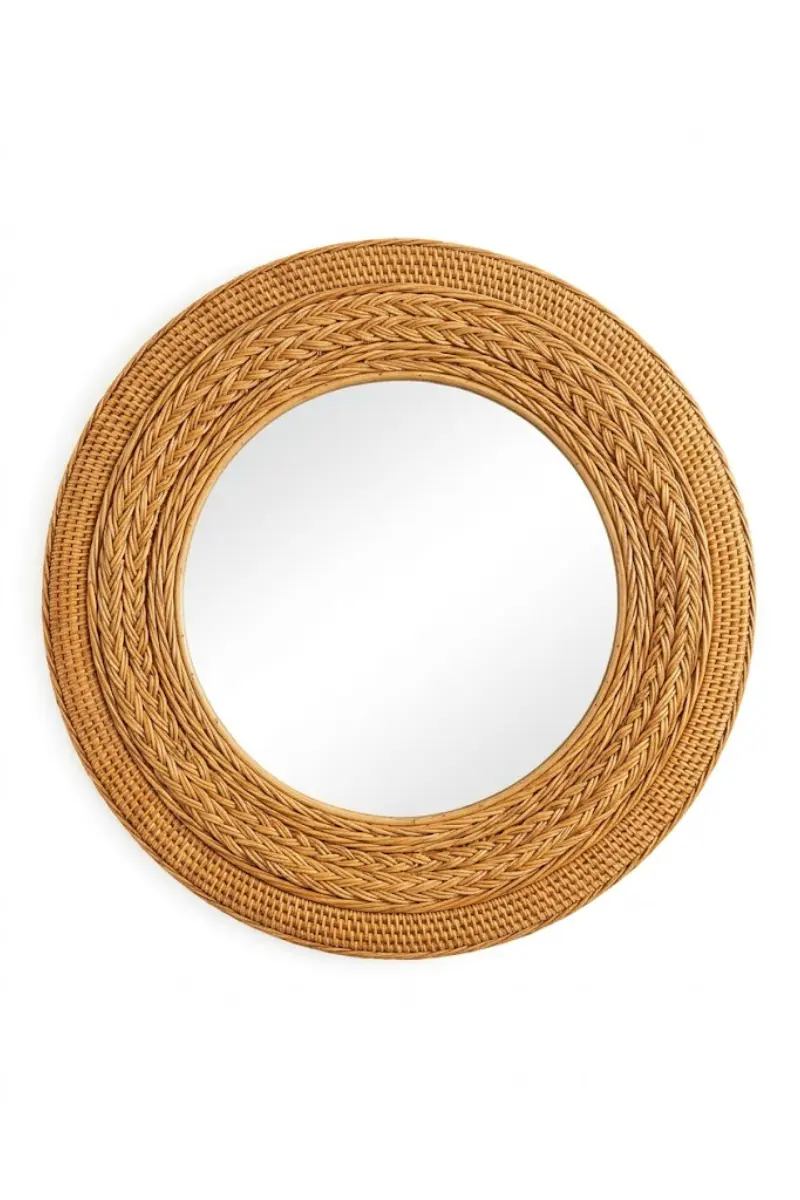
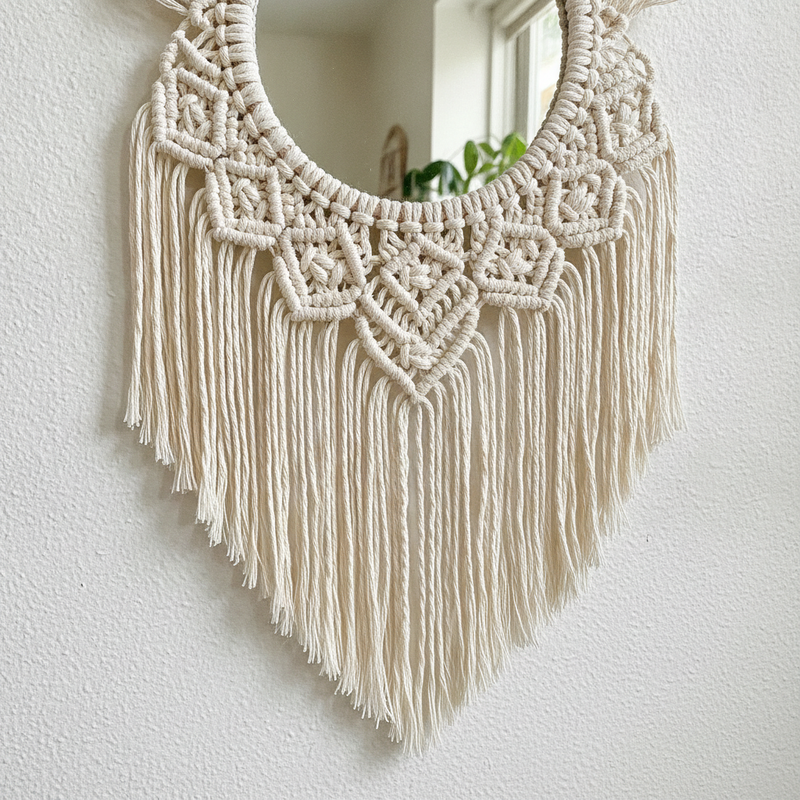
$45–$299Natural materials, organic shapes, and handcrafted texture. Boho mirrors use rattan, bamboo, jute, driftwood, and woven rope as framing materials. Round and oval shapes are most common. A rattan-framed round introduces warmth and a globally-collected character that no manufactured frame can replicate.
Shop Boho Eclectic Mirrors →
Art Deco
$79–$850+Angular rays, geometric precision, and rich metallic finishes define Art Deco mirrors. The sunburst and starburst shapes are the signatures of the style. Antique brass, polished gold, and smoked chrome are the correct finishes. Multi-pane arrangements with strong horizontal geometry also read as authentically Art Deco.
Shop Art Deco Mirrors →
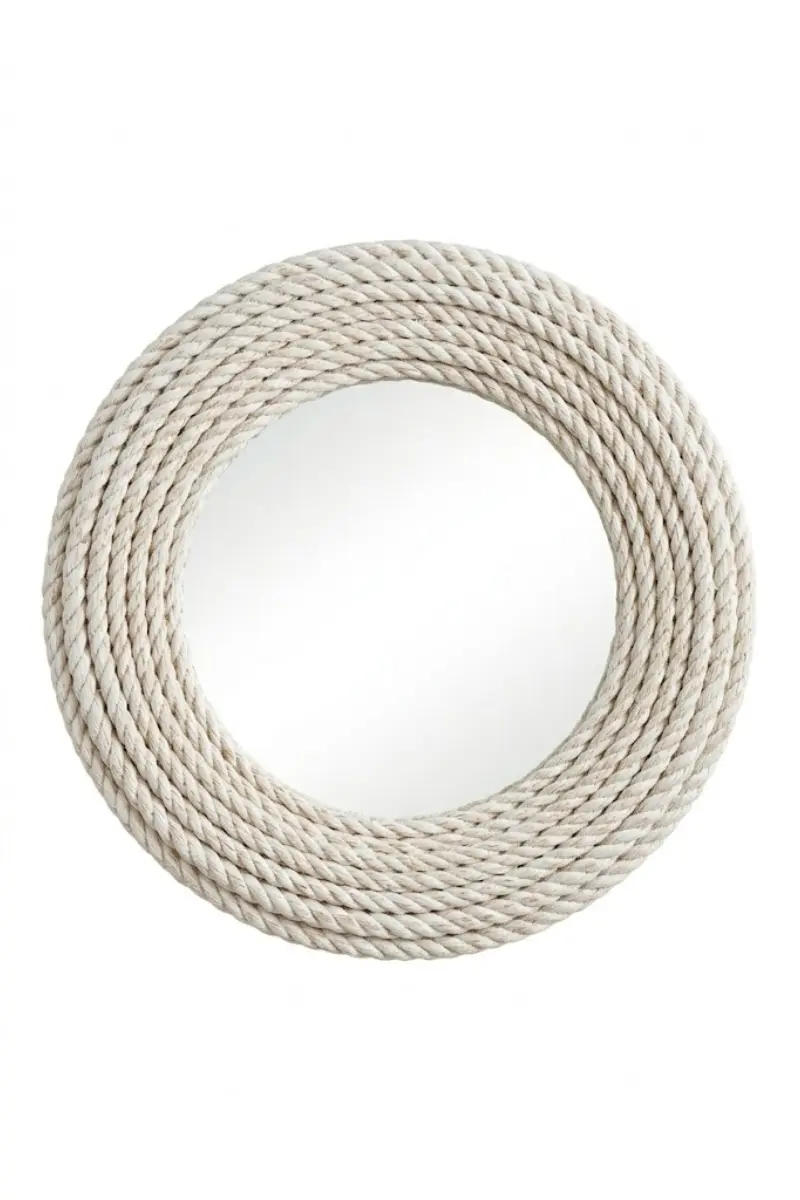
Coastal
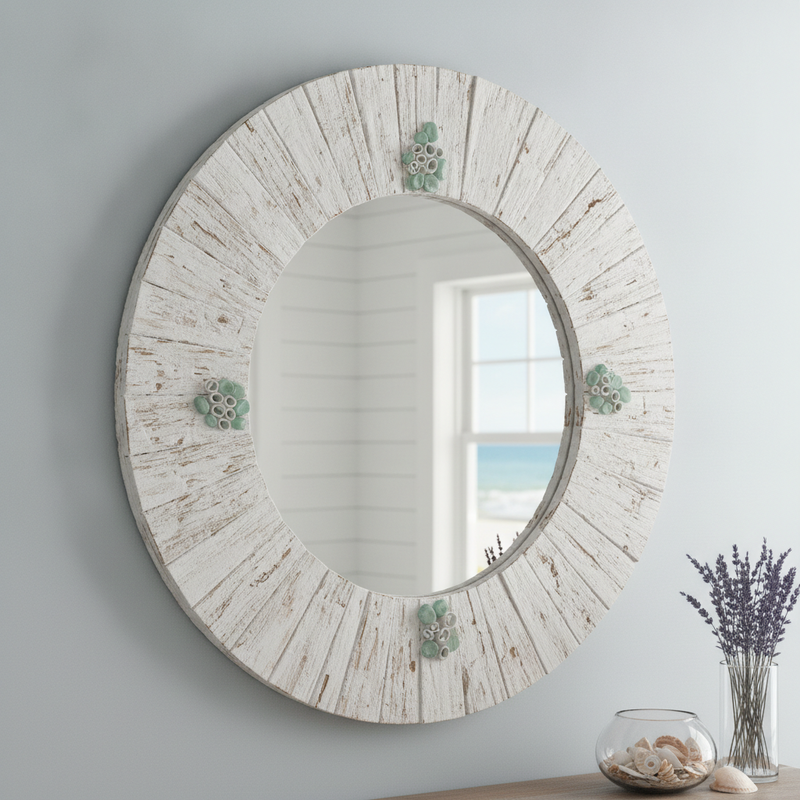
$65–$299Whitewashed wood, rope borders, sea-glass finishes, and raw natural textures. Coastal mirrors keep colours pale and materials honest. A rope-wrapped circular mirror immediately establishes the tone of a beach house or relaxed lakeside interior. Heavy gold has no place here.
Shop Coastal Mirrors →
Rustic Farmhouse
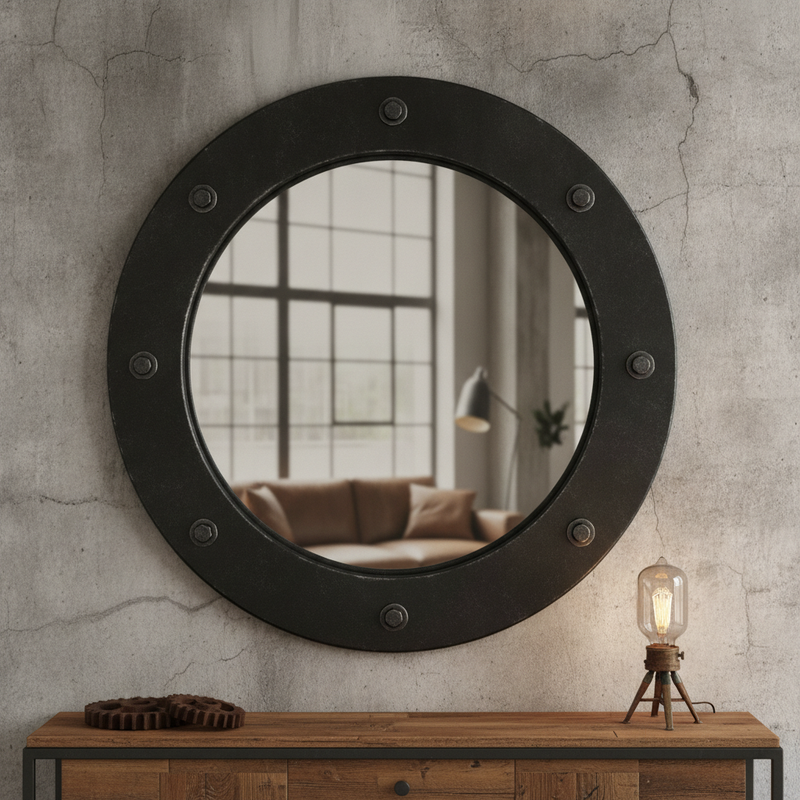
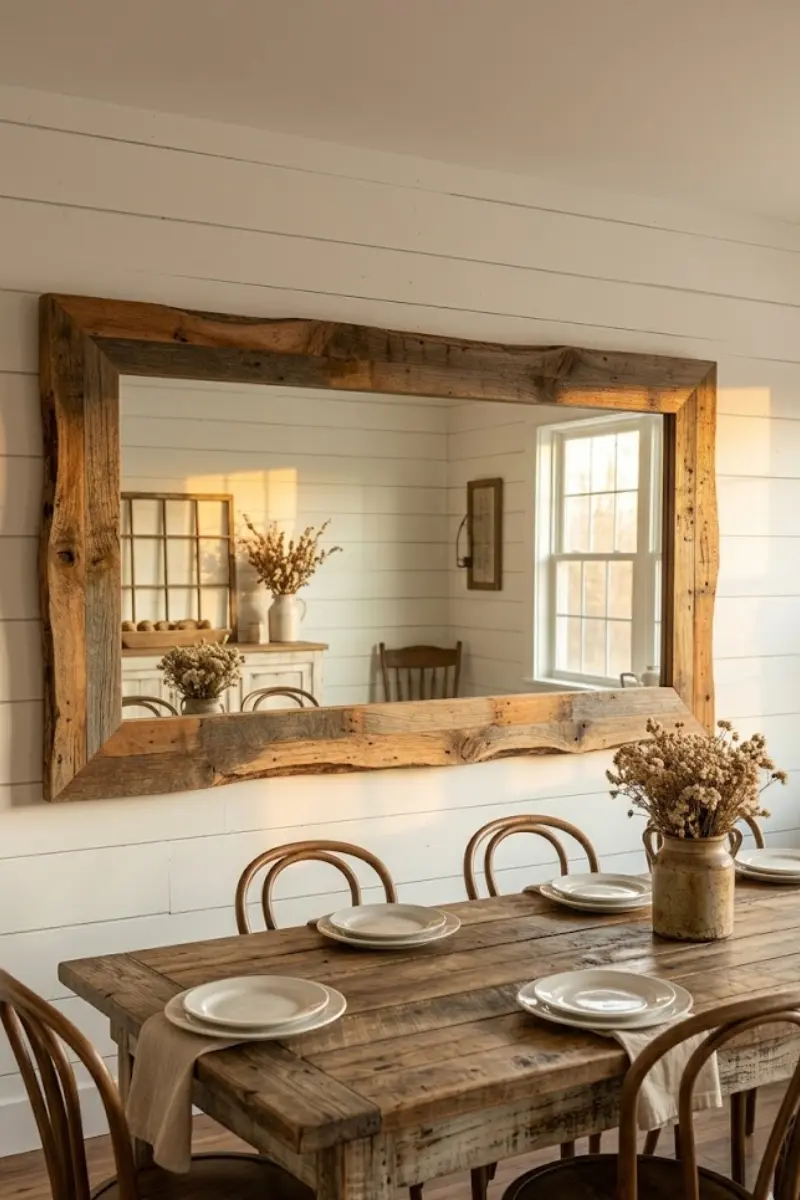
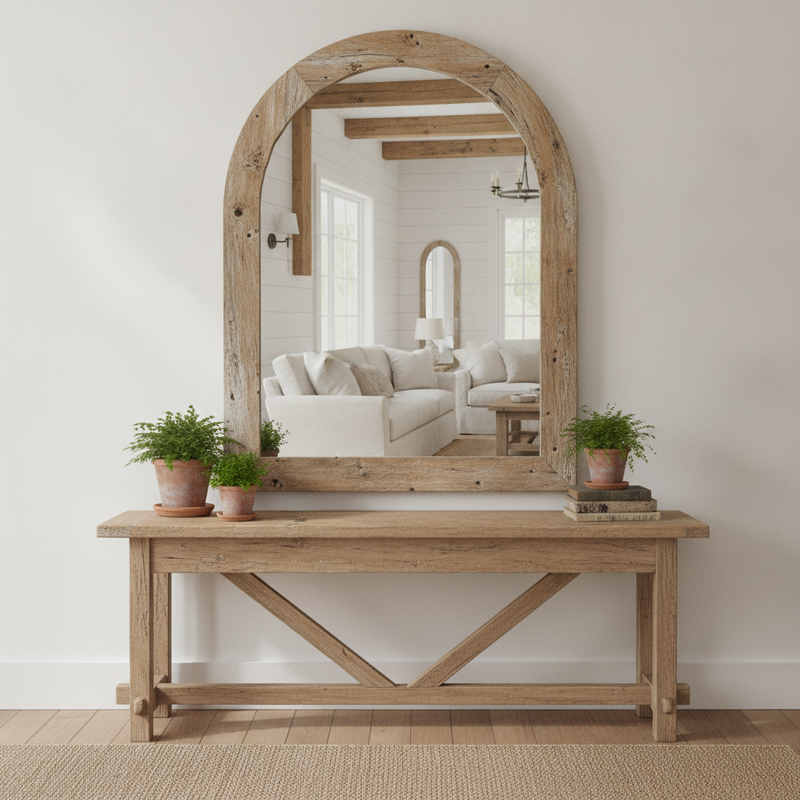
$65–$299Reclaimed wood frames, window pane grid formats, and aged metal finishes. Farmhouse mirrors keep shapes architectural and proportions generous. The window pane mirror is the quintessential farmhouse choice. Distressed painted frames in cream, black, or grey anchor the aesthetic without fighting the furniture.
Shop Rustic Farmhouse Mirrors →
Scandinavian
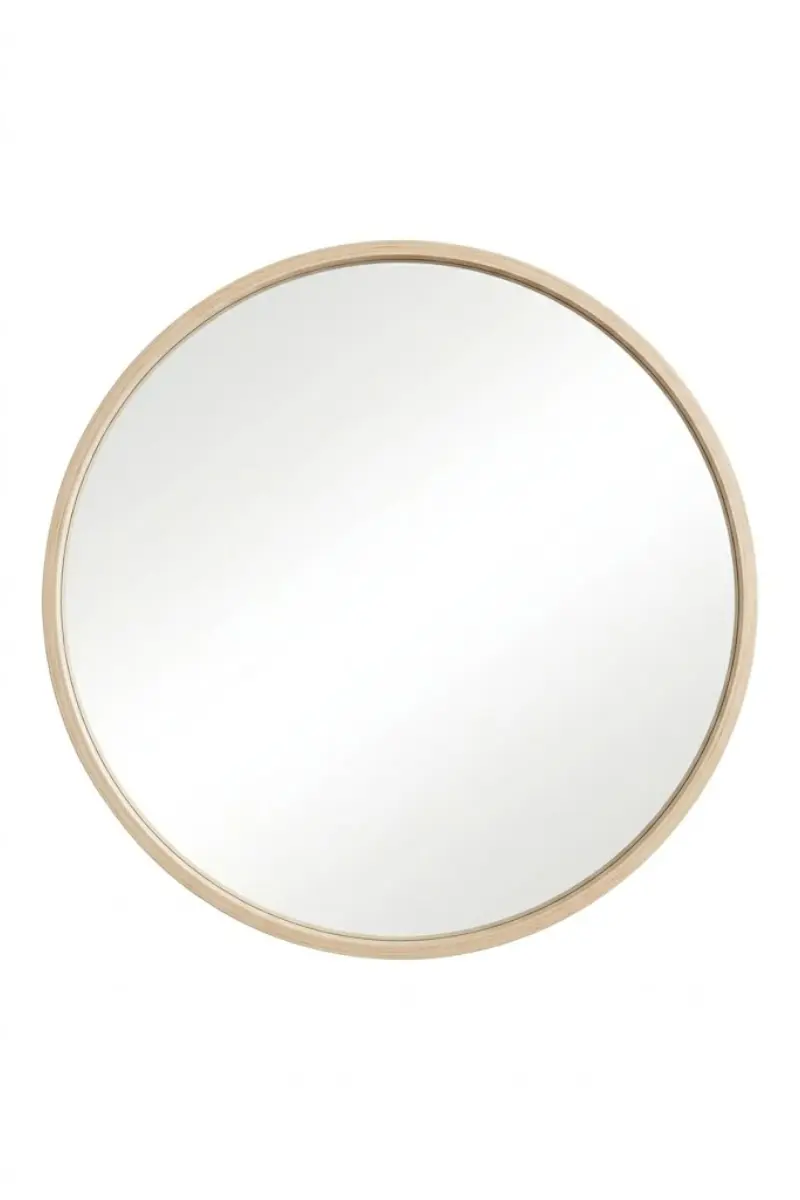
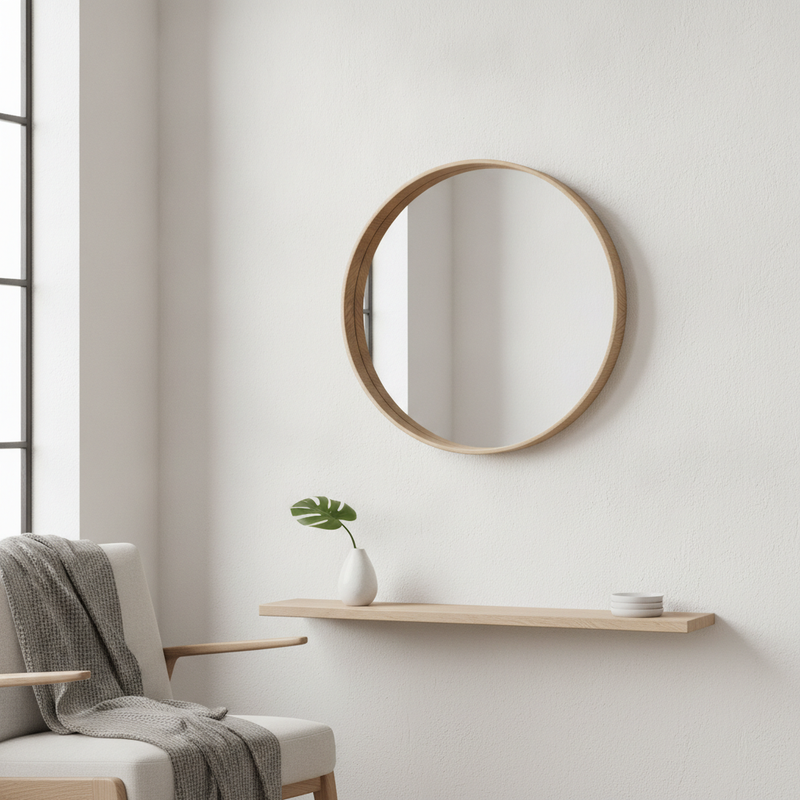
$45–$249Light wood tones, clean shapes, and understated scale. Scandinavian mirrors are typically round or oval with slim birch, ash, or light oak frames. The approach is functional first. The mirror should feel like it belongs rather than commanding attention.
Shop Scandinavian Mirrors →
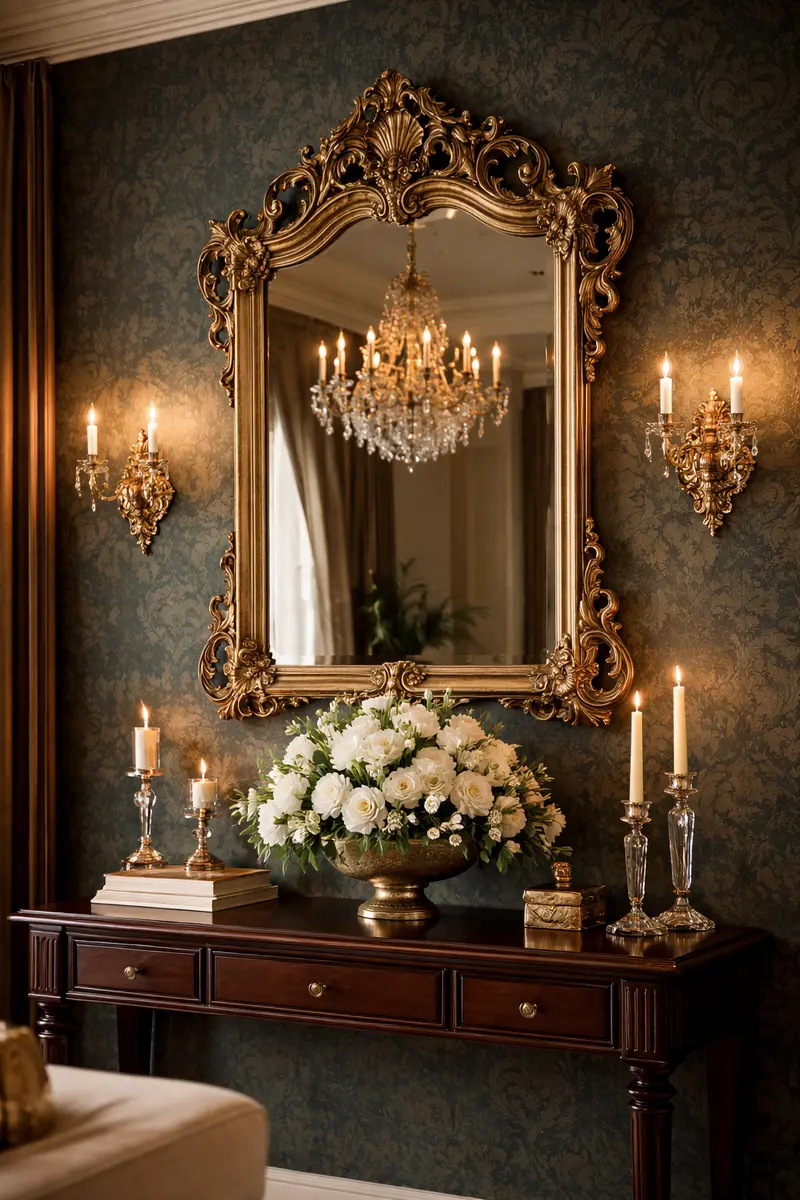
Traditional
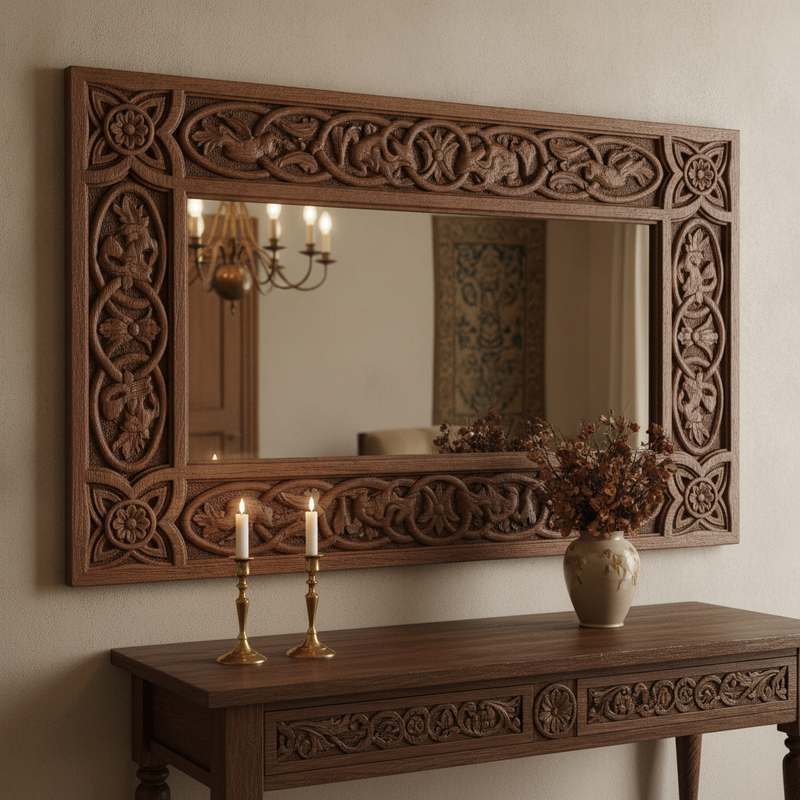
$175–$850+Ornate carved frames, authentic gold leafing, distressed gilding, and symmetrical placement. Traditional mirrors are architectural statements in their own right. An antique-style ornate gold frame with beveled glass is the centrepiece format. These belong above mantels, between tall windows, and in formal dining rooms.
Shop Traditional Mirrors →Mirrors by Room
A bathroom mirror and a living room mirror have almost nothing in common beyond the glass. Here's exactly what works, room by room.
Bedroom
Best choice: A full-length arched or rectangular mirror is the definitive bedroom choice. Mount it beside the wardrobe or lean it in a corner to double the perceived size of the room and provide a complete head-to-toe reflection.
See all for Bedroom →
Living Room
Best choice: Go oversized and place it with intention. A large round or rectangular mirror above the sofa or fireplace creates a focal point and pulls light into the centre of the room. Size it to at least two-thirds the width of the furniture below it.
See all for Living Room →
Dining Room
Best choice: A horizontal or large round mirror above the sideboard doubles the visual presence of the table setting and makes the room feel more generous during dinner. Traditional ornate and sunburst styles suit the formality of a dining room best.
See all for Dining Room →
Bathroom
Best choice: An LED backlit mirror with anti-fog and dimmable lighting transforms the daily bathroom experience entirely. Size it to match the full width of your vanity, or up to 4 inches narrower on each side for a clean, custom look.
See all for Bathroom →
Entryway
Best choice: A round or arched mirror at eye level above a console table is the defining entryway move. It provides a final outfit check, bounces light into a typically dark corridor, and signals to every guest that the space was designed with intention.
See all for Entryway →
Home Office
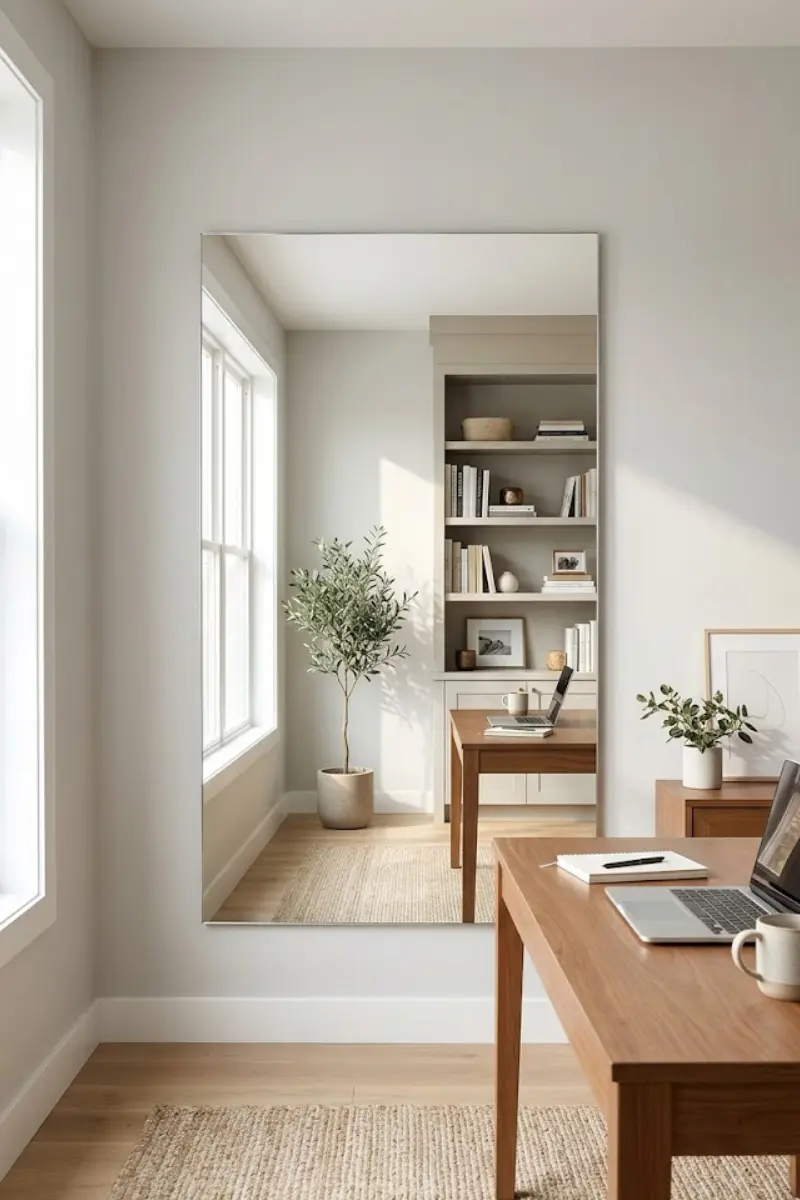
Best choice: A window pane or large rectangular mirror on the wall opposite your desk adds visual depth and bounces natural light across the workspace. Matte black or brushed metal frames look professional and read well on video calls.
See all for Home Office →Top Picks: Bedroom
Mirror Sizing Guide
The most common sizing mistake is buying a mirror that is too small. Always measure the anchor point first, then size up.
Glass & Frame Materials Guide
The glass backing and frame material determine whether your mirror looks the same in two years or starts showing black edges and a greenish cast.
Low-iron vs standard float glass
Standard glass contains iron oxide that produces a green tint, most visible along the edges and in thick panes. Low-iron glass removes this during manufacture, giving the mirror roughly 94% light transmission and a true, clear reflection. It’s the right call for:
- Bathrooms
- Makeup mirrors
- Boutique-style dressing rooms
In a living room wall mirror, standard glass is acceptable. In a vanity mirror, it is not.
6mm vs 4mm vs 3mm glass
Silver vs aluminum backing
Frame materials by style
Frame material decides how durable the mirror is and how much upkeep it needs:
- Metal (solid brass, matte black, chrome): the most durable, least maintenance
- Gold-finished wood: warm, but check the finish quality on budget pieces
- Resin: mimics metal or carved wood at lower cost and weight, though the finish ages differently over time
- Rattan, bamboo, and natural fibres: perfect for boho and coastal styles, and surprisingly durable indoors
What Signals Quality
- 6mm glass thickness specified for any mirror over 36 inches wide
- Multi-layer epoxy backing listed in the spec for any bathroom mirror
- Low-iron or ultra-clear glass described in the product listing
- Solid metal frame construction rather than resin or plastic coating
- Copper seal layer mentioned in the backing system description
- Anti-corrosion or copper-free coating specified for premium backing
- ASTM C1503 compliance listed for silvered flat glass mirrors
Care + Maintenance
Cleaning without damaging the silver backing
Mix equal parts distilled water and white vinegar. Apply to a microfibre cloth first. Never spray directly onto the mirror. Wipe in a zigzag pattern from top to bottom, then buff dry immediately with a second clean cloth.
Preventing black edge oxidation in bathrooms
Caring for LED and smart mirrors
Frame maintenance by material
Mirror Glass & Backing Basics
Most buyers look at the frame and ignore the glass entirely. The glass quality and backing system determine whether the mirror lasts a decade or starts failing in two years.
What makes a mirror reflective
Why some mirrors have a green tint
The float glass process and why flatness matters
The 57 to 61 inch rule
Price Guide: Every Budget
In mirrors, the money buys glass quality, backing integrity, and frame finish. Cheap mirrors warp, discolour at the edges, and distort your reflection within two years.
Sculptural and irregular designer mirrors, premium smart mirrors with full anti-fog, dimmable LED, and colour temperature control, and artisan-crafted ornate frames with authentic gold leafing or hand-beveled glass. At this level, the mirror is a permanent architectural feature. These are the pieces people photograph for magazine spreads.
View More Details →
Full-length arched mirrors with solid gold-finished frames, premium backlit bathroom mirrors with anti-fog and dimming, and quality sunburst mirrors in solid metal construction. This tier delivers visible quality, accurate reflection, and durable backing that lasts. The right call for a guest bathroom upgrade or a primary bedroom statement.
View More Details →
Oversized round gold wall mirrors, leaning floor mirrors, window pane grid styles, and geometric cluster sets all live here. Good glass, decent frame finish, and real decorating impact. This is the tier where most buyers get the best return on investment, especially for living rooms and entryways.
View More Details →
Tabletop makeup mirrors, small accent rounds, and basic decorative pieces perform well at this price. For anything wall-mounted and over 24 inches, the glass will be thin and the backing will be basic. Fine as a secondary or accent piece in a low-humidity room. Not the right move for a bathroom or a primary statement wall.
View More Details →Frequently Asked Questions
What size mirror should I put above a sofa?
How high should I hang a mirror on the wall?
What is the difference between a backlit mirror and an LED vanity mirror?
Can mirrors really make a small room look bigger?
Why do bathroom mirrors get black spots around the edges?
What type of mirror is best for a bathroom?
Are leaning floor mirrors safe?
What mirror style works in any room?
How do I clean a mirror without leaving streaks?
How do I choose between a gold and a brass mirror frame?
What is the best mirror for a home gym?
Shop by Room
Looking for mirrors for a specific room? Browse our dedicated room guides:
Ideas & Inspiration
Large accent mirrors bounce daylight and double perceived room depth. Here are 7 luxury …
Read guide →
Four real luxury glam mirror options for above a dresser, from wall-mounted LED to a …
Read guide →
The right Art Deco style and the right entryway proportions rarely come from one mirror. …
Read guide →Add us to your preferred sources to see our latest room styling guides and luxury decor edits first in your Google feed.