An empty console table reads unfinished no matter how good the sofa or the art above it is.
A bare corner pulls the eye toward what’s missing instead of what’s right.
It’s the smallest object in the room and it’s usually the last thing anyone fixes.
Get the scale right and one vase changes the whole read of a surface.
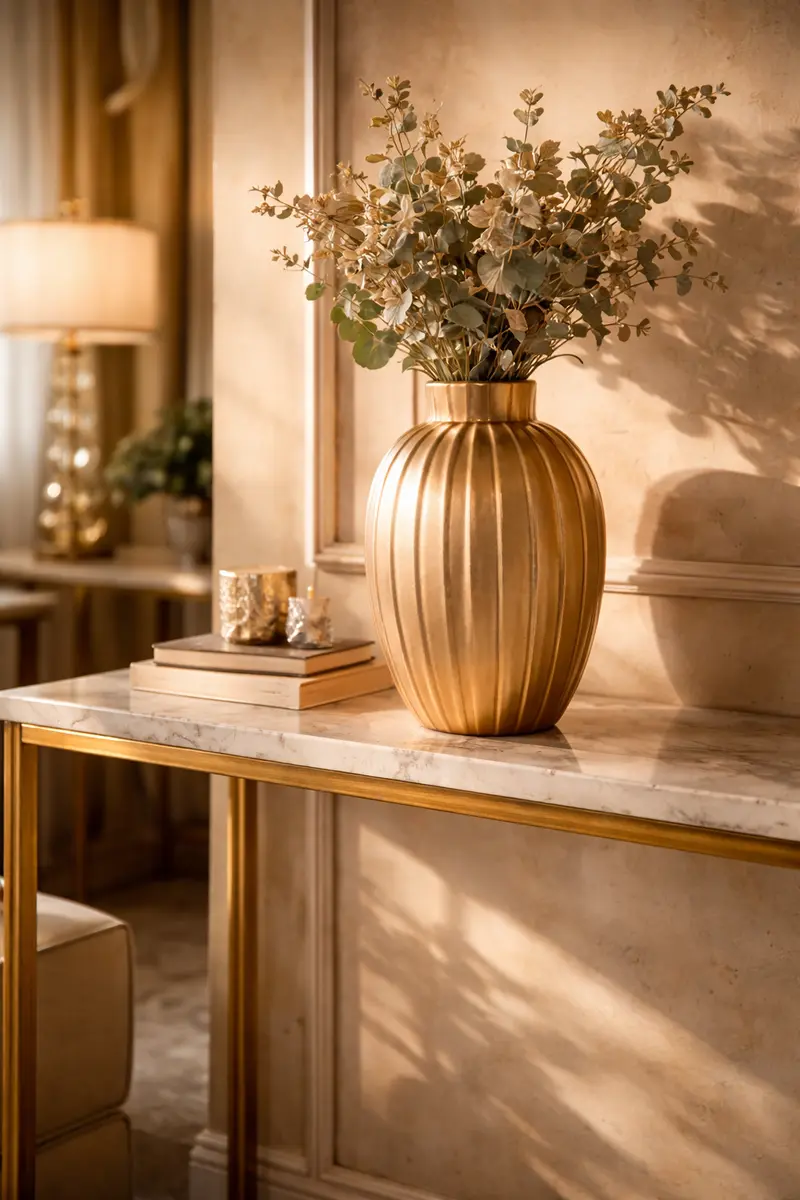
A 24-inch gold urn anchoring the entryway console.
A trio of bud vases finishing a dresser that felt half-styled before.
The room stops looking almost done and starts looking done.
This page gets you to the right size, shape, and material for every surface in the house.
Types of Vases & Decorative Accents
A floor vase and a bud vase solve completely different problems. One anchors an empty corner, the other finishes a shelf that already has too much on it.
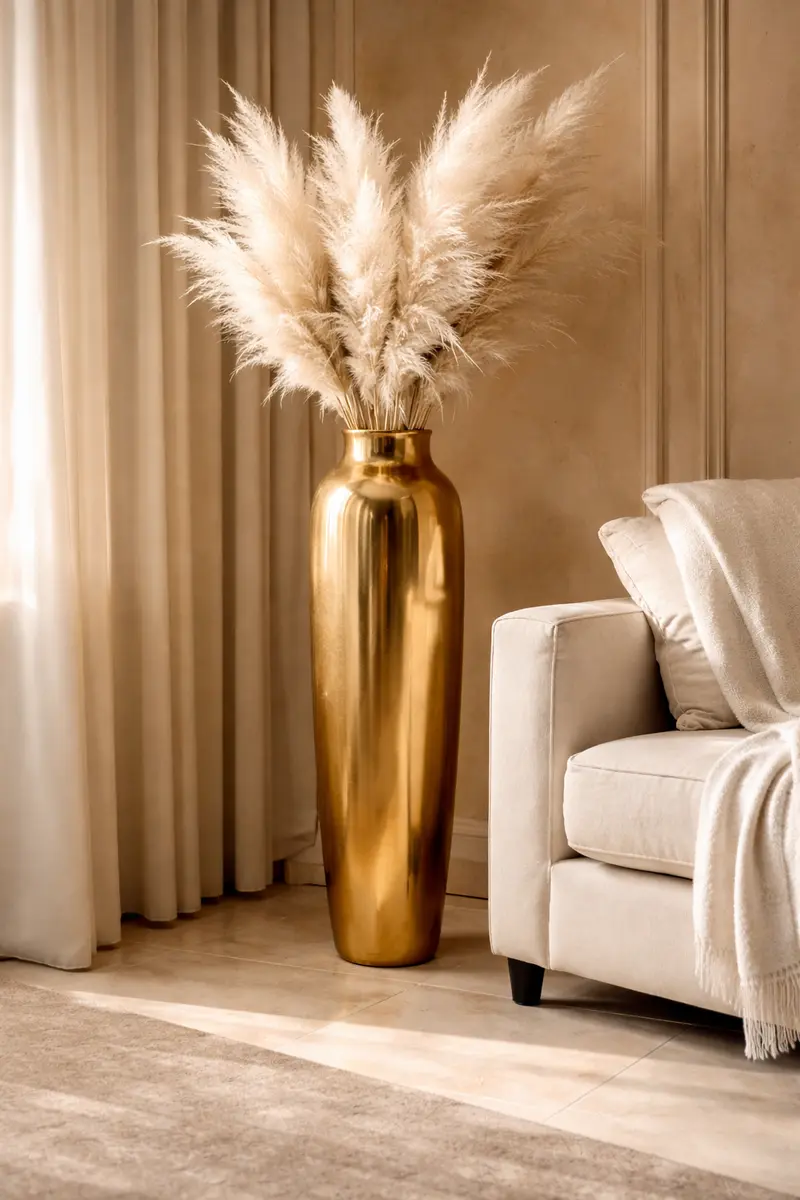
Floor Vase
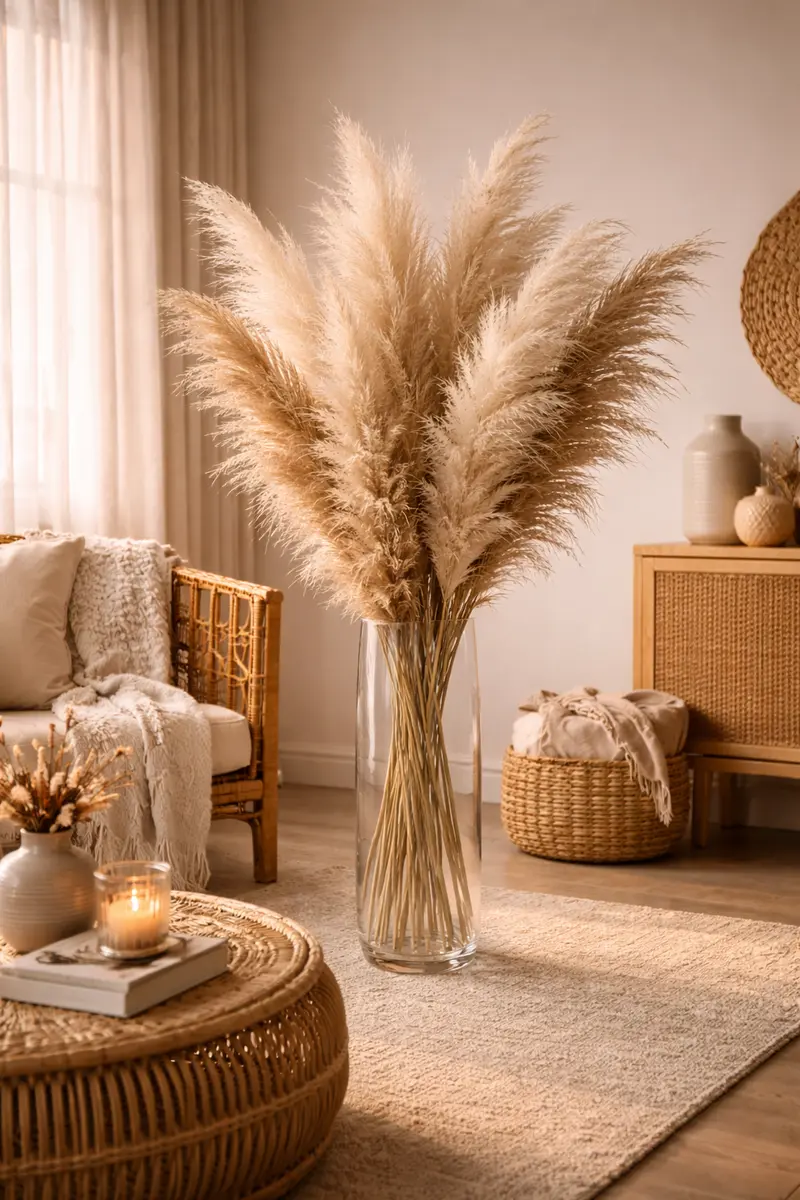
24 inches or taller, sits directly on the floor. This is the single fastest fix for an empty corner. Fill with pampas grass, dried branches, or leave it empty and let the vessel itself do the work.
View More Details →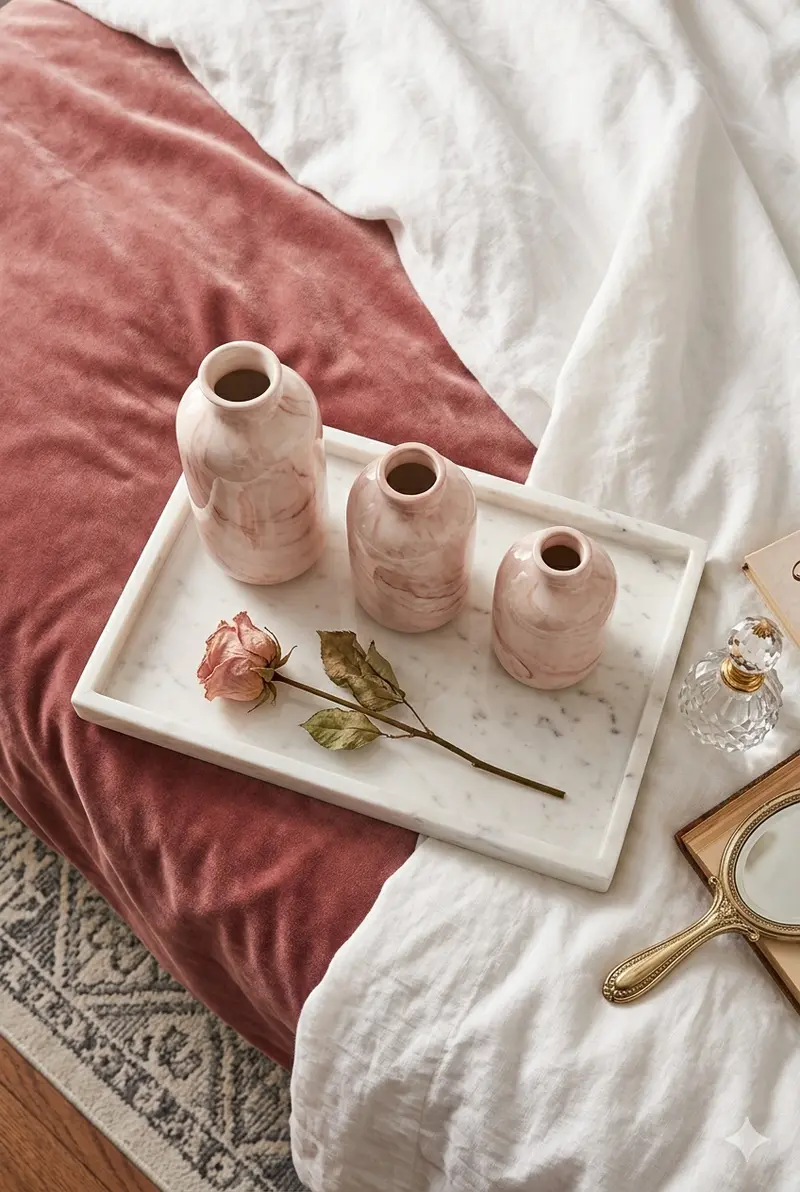
Bud Vase Sets
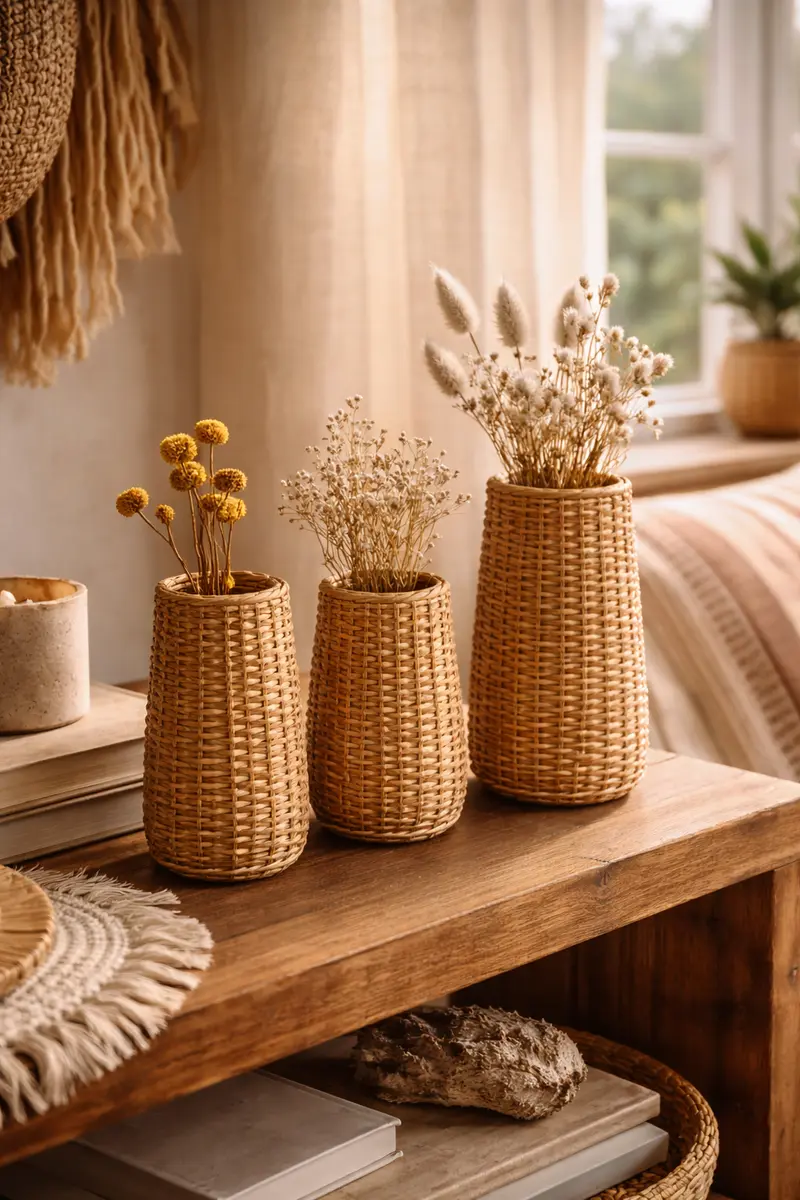
Grouped in threes at graduating heights, bud vases hold a single stem each rather than a full arrangement. This is the format for a nightstand or dresser where a large vase would overwhelm the surface.
View More Details →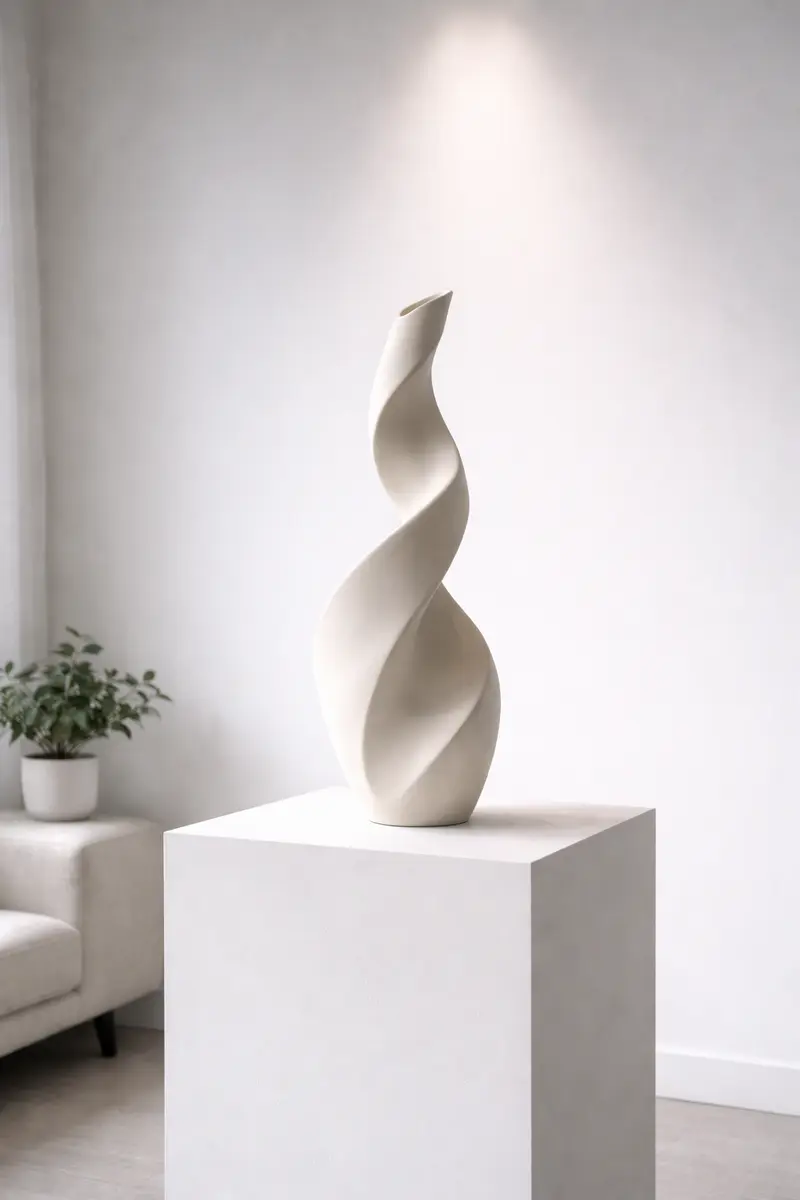
Sculptural / Statement Vase
Bought empty, styled empty. The form is the entire point. An abstract or asymmetric silhouette that works as a stand-alone art object rather than a flower holder. Never fill this type; it competes with itself.
View More Details →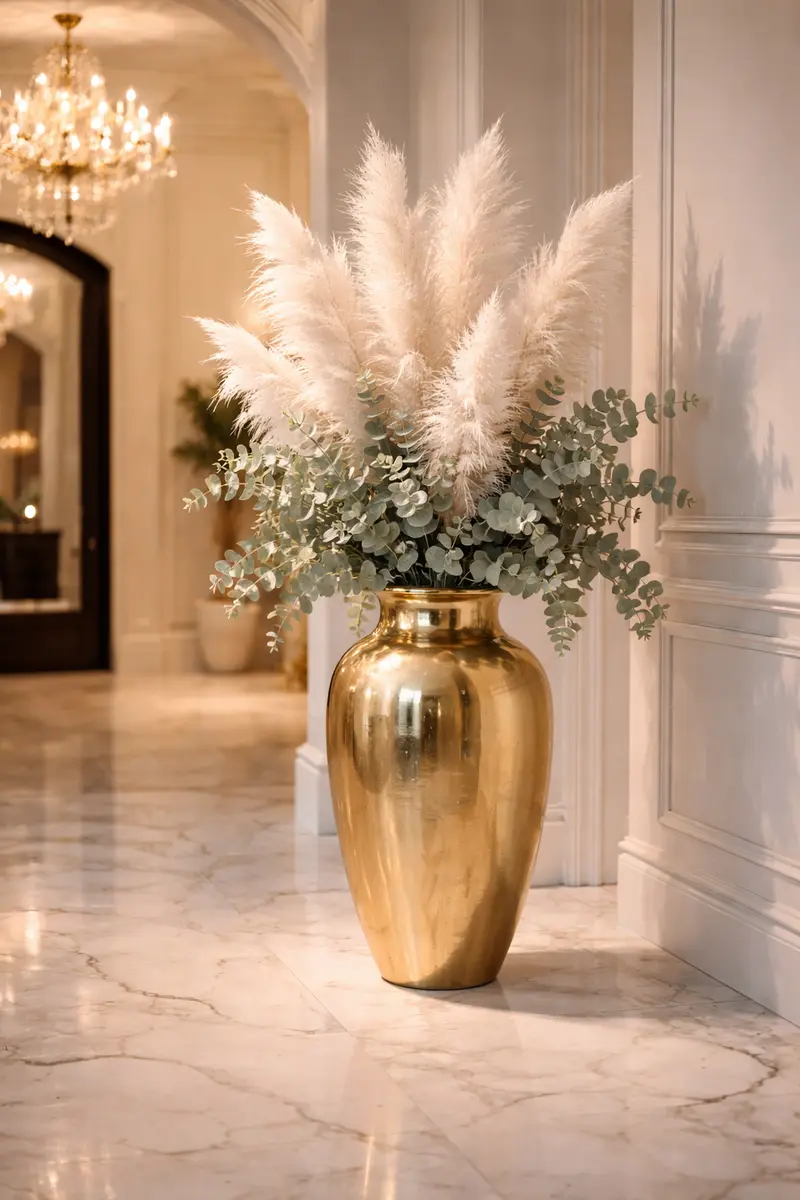
Urn Vase
Wider base, classical silhouette, usually the largest and heaviest piece in the room. This is a one-per-room decision. An urn this size only needs one location and it should be the first thing you see entering the space.
View More Details →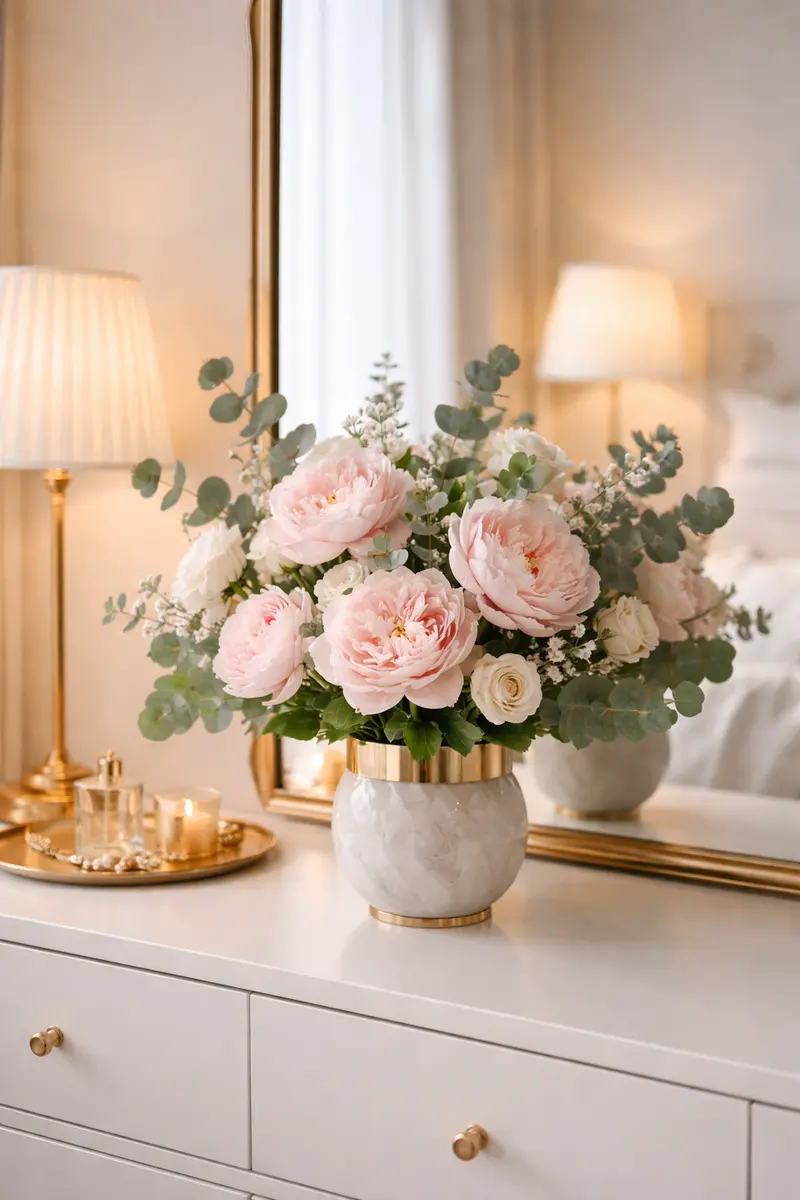
Faux Floral Arrangement
Pre-arranged, vase included, zero maintenance. Quality faux stems now hold up to close inspection. Check for textured petal edges and matte (not shiny) leaves, which are the two tells of a cheap fake.
View More Details →Shop Vases & Decorative Accents
Filter by room to find the scale and shape that actually fits your space.
How to Choose
Most people buy a vase for its shape alone and ignore scale relative to the surface it sits on. That's why it looks like an afterthought instead of a centrepiece.
Scale to the Surface, Not the Room
| Surface | Vase Height | Notes |
|---|---|---|
| Nightstand / small shelf | 6–12 in | Single stem or bud vase set |
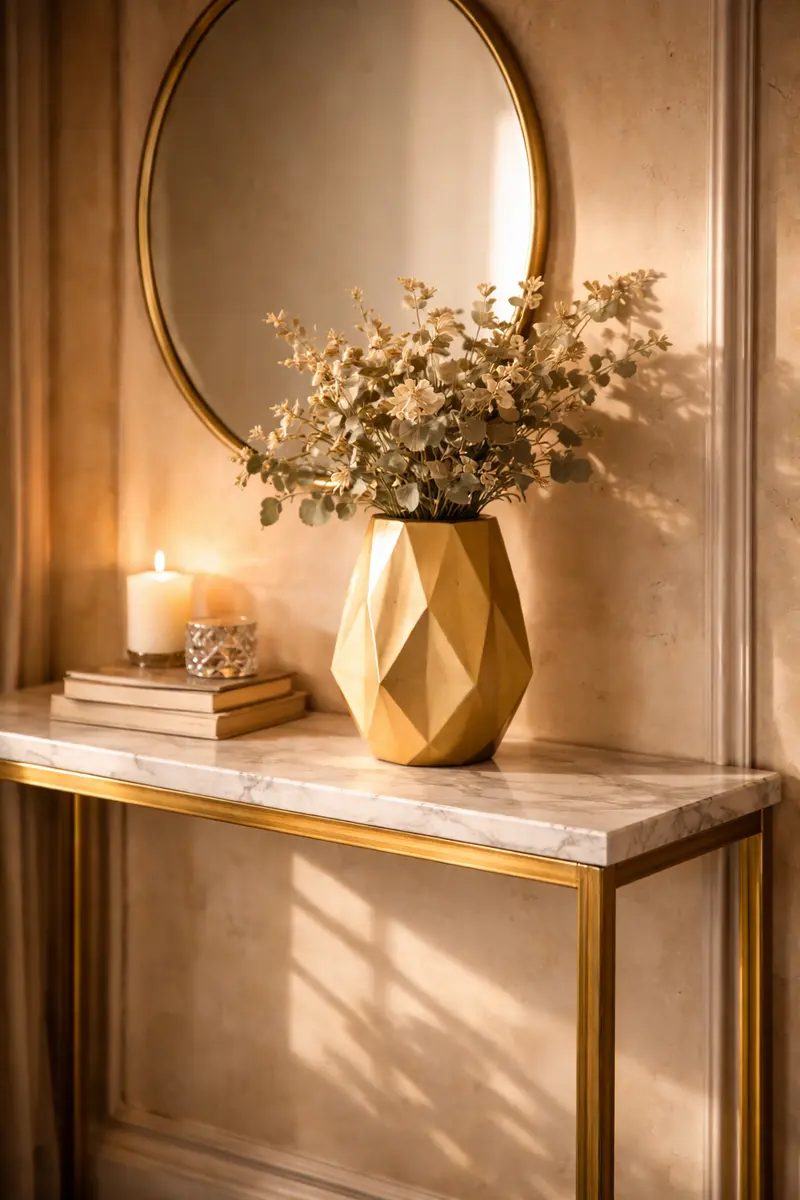
| Console table | 16–24 in | One statement piece, or a grouped trio |
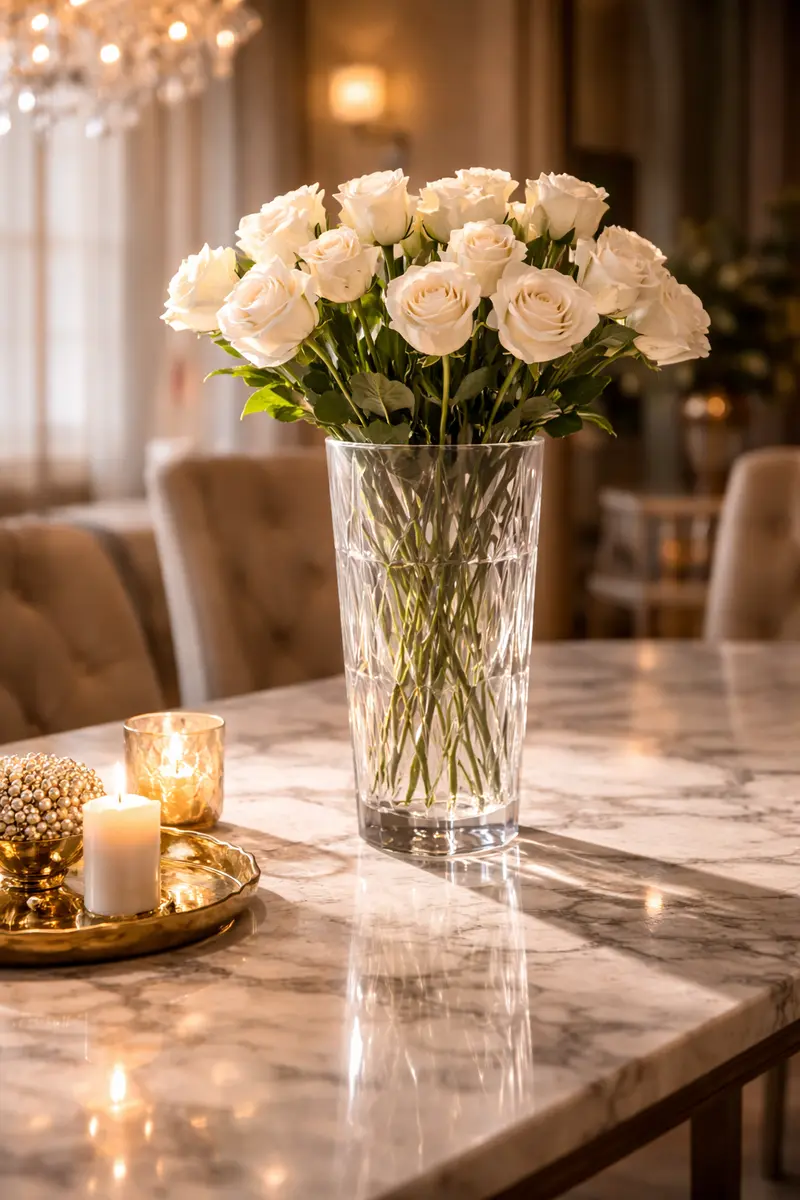
| Dining table centrepiece | Under 14 in | Low and wide beats tall when seated |
| Floor, empty corner | 24–36 in | The only category where “too big” rarely happens |
Real Flowers, Dried, or Faux: The Honest Trade-Off
Three options, three different maintenance trade-offs:
- Real flowers: best scent and colour, but need water changes every 2 to 3 days and last under two weeks
- Dried stems (pampas, eucalyptus, wheat): last a year or more with zero maintenance, though they’ll shed slightly over time
- Faux stems: last indefinitely and need zero care, but only the better ones (textured petal edges, matte leaves) hold up to close inspection
Shiny plastic-looking faux flowers undercut an otherwise well-chosen vase faster than anything else in the room.
Empty or Filled: When Each Works
Red Flags to Avoid
- No stated height in the listing. Vases photograph deceptively at scale, and this is the single most common reason people return one
- Glaze described only as ‘gold’ with no finish detail (matte vs high-gloss) The two look completely different in person and photos rarely show which
- Extremely lightweight for its size in reviews. Usually thin ceramic or resin that tips easily, a real problem for anything on an entryway console
- Faux floral listing with no close-up photo of the petal texture. Almost always means shiny, obviously-fake material
Vases & Decorative Accents by Style
The same terracotta vase that grounds a boho living room would look out of place on a Luxury Glam console. Material and finish carry the style, not just the shape.
Luxury Glam
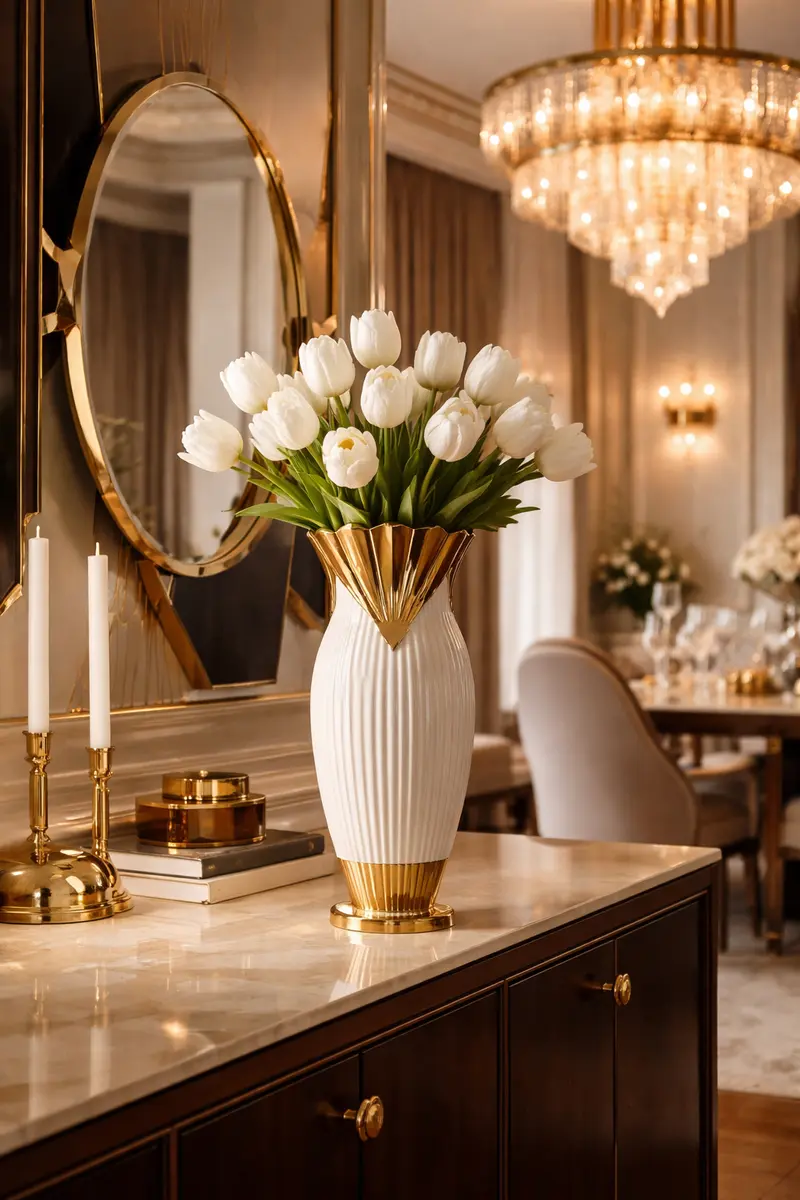
$28–$550Gold glazes, ribbed or fluted ceramic, faceted crystal glass. Scale matters more than in any other style here. A small glam vase reads cheap, while an oversized one reads editorial.
Shop Luxury Glam Vases & Decorative Accents →
Art Deco
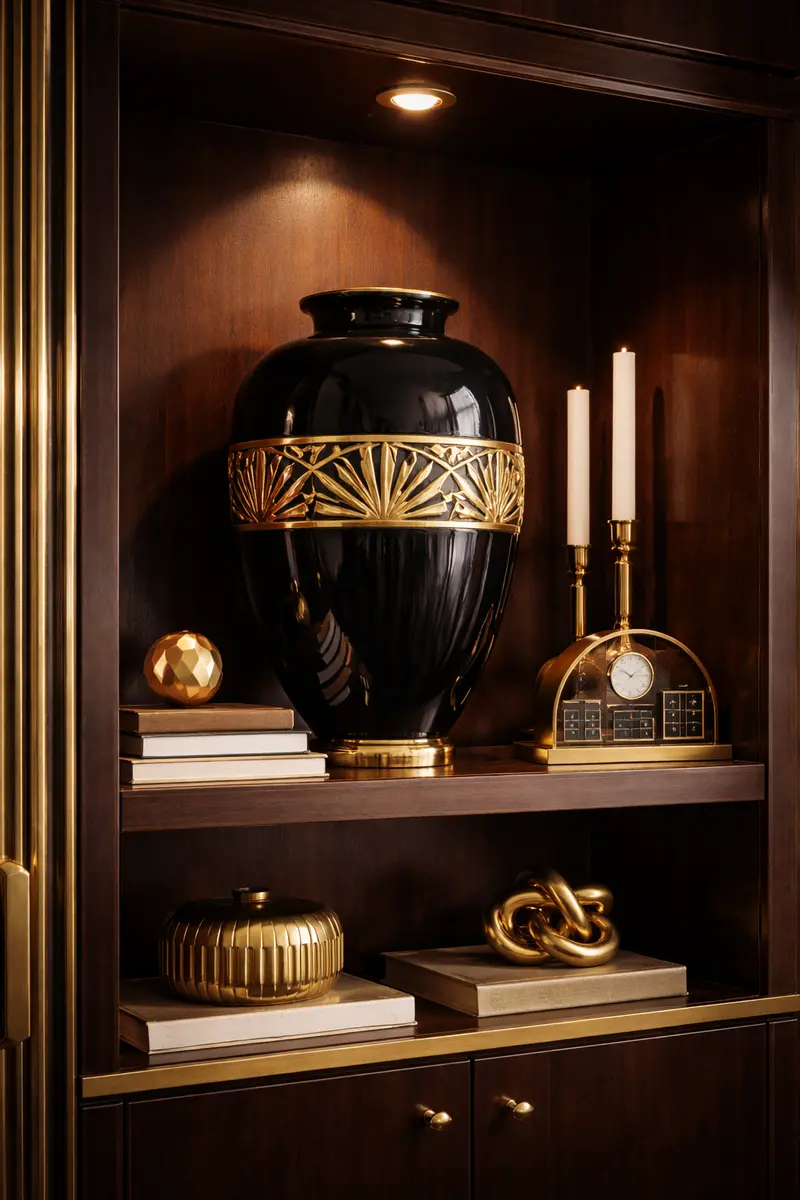
$65–$280Fluted or geometric-banded ceramic in gold and black, elongated silhouettes. The fluting catches light the same way an Art Deco mirror frame does. Pair the two for a room that reads deliberately styled.
Shop Art Deco Vases & Decorative Accents →
Boho & Eclectic
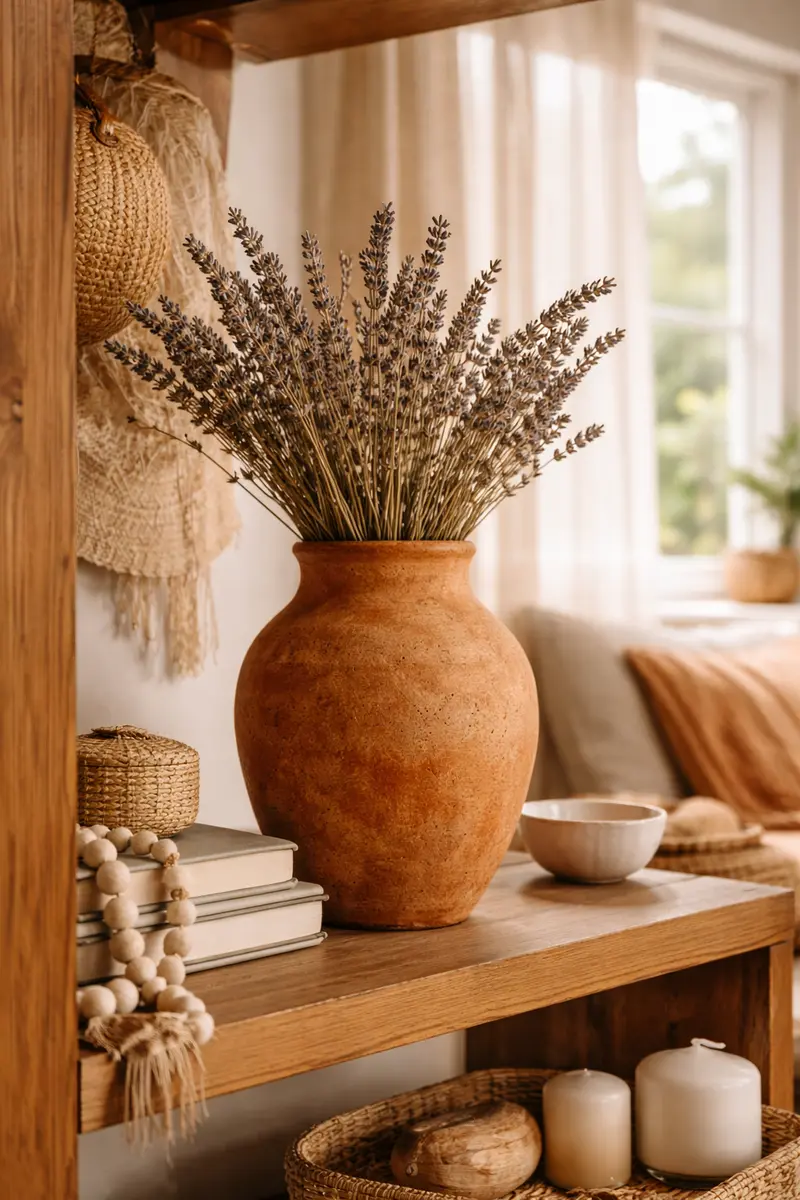
$24–$65Terracotta, raw unglazed ceramic, visible handmade texture. Pair with dried pampas or eucalyptus rather than fresh flowers. The matte, organic finish reads more intentional with dried stems than with polished fresh blooms.
Shop Boho & Eclectic Vases & Decorative Accents →
Coastal
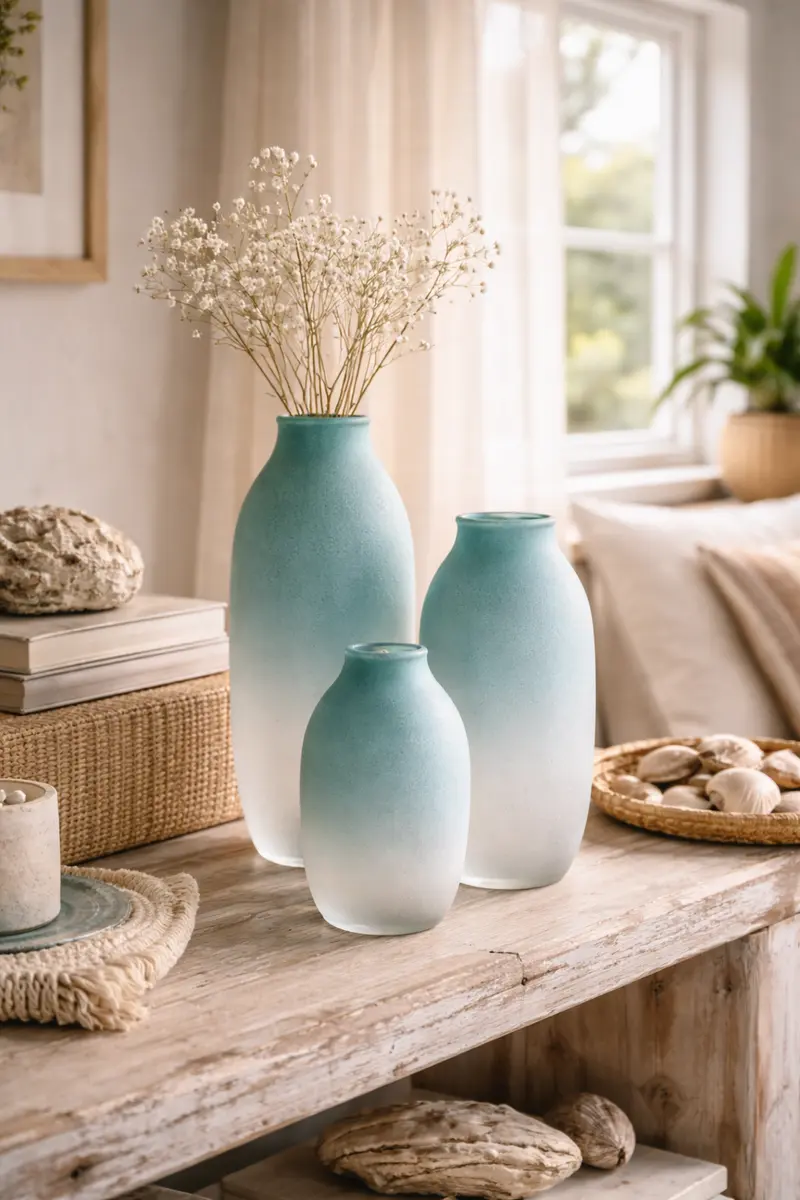
$35–$65Frosted glass, sea-glass blues, grouped in sets rather than displayed as a single piece. Three vases at slightly different heights reads as a curated collection rather than one big statement.
Shop Coastal Vases & Decorative Accents →
Modern Minimalist
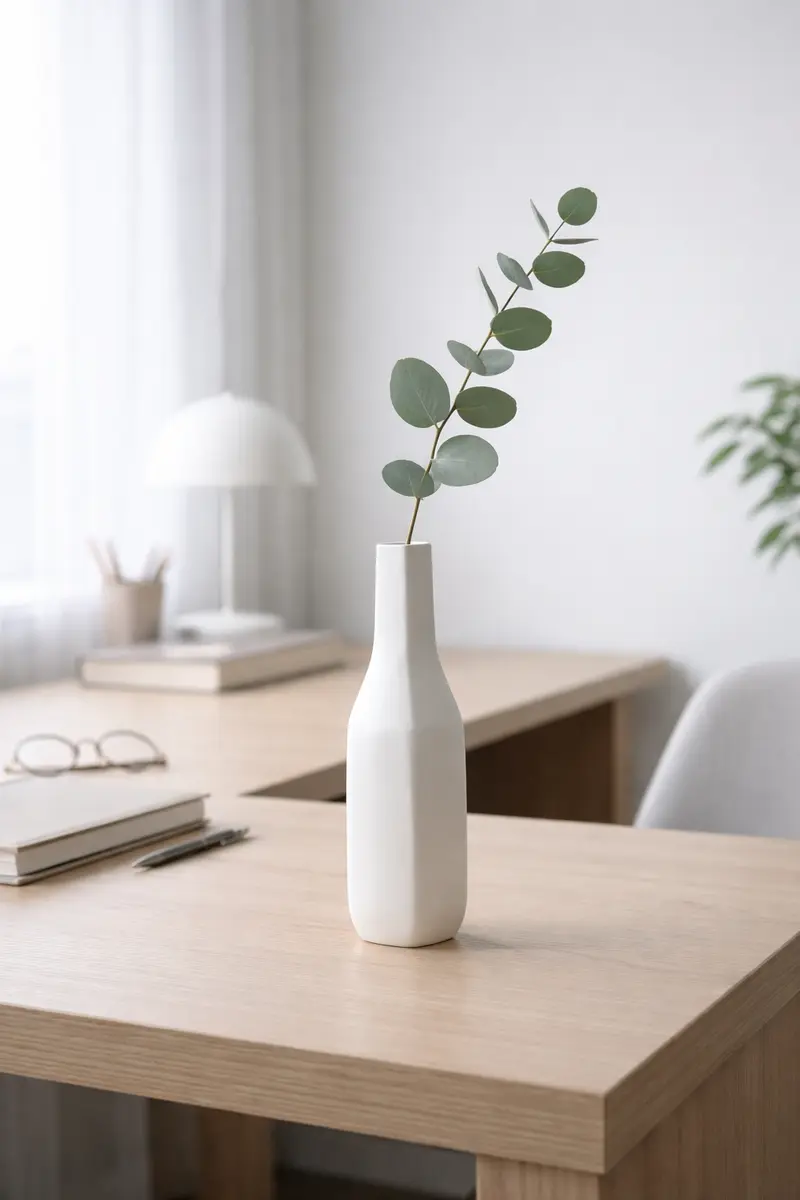
$45–$280White or off-white matte ceramic, single clean silhouette, usually shown empty or with one or two stems maximum. The restraint is the style. Resist the urge to fill it with a full arrangement.
Shop Modern Minimalist Vases & Decorative Accents →Vases & Decorative Accents by Room
An entryway vase needs to survive being brushed past daily. A bedroom vase doesn't. Scale and durability change room to room.
Living Room
Best choice: This is the room that can handle real scale. 16 inches or taller on a console table, or a floor vase in an empty corner. Living rooms are the only space where an oversized statement vase reads intentional rather than cluttered.
See all for Living Room →
Bedroom
Best choice: Scale down. A bedroom vase should be small enough for a nightstand or dresser without competing with a lamp. 6 to 12 inches is the sweet spot. Skip strongly scented fresh flowers here if you're sensitive to fragrance overnight.
See all for Bedroom →
Dining Room
Best choice: Height is the constraint here, not width. A centrepiece vase over 14 inches blocks sightlines across the table during dinner. Go low and wide, or accept that it only works for non-dining occasions.
See all for Dining Room →
Entryway
Best choice: This is the vase that gets brushed past daily, so weight and base stability matter more than in any other room. Choose ceramic or metal over lightweight glass, and keep it toward the back of the console, not the edge.
See all for Entryway →Top Picks: Living Room
Vase Size by Placement
A vase under 12 inches on an entryway console reads like it's missing, not minimal. Most sizing mistakes are too small, not too large.
Vase Materials Compared
Ceramic and glass dominate for a reason. They hold water without special treatment, which most metal and unsealed materials can't.
At a Glance
| Material | Feel | Water-Safe? | Best For |
|---|---|---|---|
| Glazed ceramic | Substantial, matte or glossy | Yes | Any room |
| Glass | Light-catching, versatile | Yes | Dining, coastal |
| Metal (brass/gold-finish) | Sculptural, lightweight | Only if lined | Empty/dried arrangements |
| Concrete | Industrial, heavy | Needs sealant | Minimalist, outdoor-adjacent |
Metal Vases and Real Water
What Signals Quality
- Weighted or wide base relative to height. Tip it gently in reviews or product video if available; a top-heavy vase is a return waiting to happen
- Glaze pooling described as ‘intentional’ rather than uniform. Hand-glazed ceramic has natural variation, which is a quality signal, not a flaw, as long as it’s consistent with the listing photos
Care + Maintenance
Real Flower Vases
Faux and Dried Arrangements
Ceramic and ceramic Glaze
Vase Terms Worth Knowing
'Statement vase' gets used for almost everything in this category. Knowing the actual shape terms helps you search more precisely.
Urn
Bud Vase
Faux vs Dried vs Preserved
Price Guide: Every Budget
In vases, the money buys material weight, glaze quality, and scale. A $28 bud vase and a $380 floor urn are solving completely different styling problems, not the same problem at different quality levels.
Monumental scale, gallery-grade glaze work. This is the one-per-house piece. Buy it once and build the entryway around it.
View More Details →
Gallery-quality sculptural pieces at a real but justifiable price. This tier is where the vase functions as art, not just a flower holder.
View More Details →
Hand-thrown quality and real glaze depth without statement-piece pricing. The best ratio of impact to cost in the category.
View More Details →
Honest assessment: a single vase at this price is often thin ceramic. A set of three, like this one, gives more styling value than one larger piece at the same total cost.
View More Details →Frequently Asked Questions
What size vase do I need for a console table?
Should a dining table centrepiece vase be tall or short?
Are faux flowers actually convincing now, or do they look cheap?
How often should I change water in a real flower vase?
Can I put fresh flowers in a metal vase?
What's the difference between dried and preserved flowers?
How do I stop a tall vase from tipping over?
Should an empty vase be left empty or always filled?
What vase style works in an entryway that gets bumped into daily?
Shop by Room
Looking for vases & decorative accents for a specific room? Browse our dedicated room guides:
Ideas & Inspiration
Pampas grass in a bedroom works best scaled down and paired with natural materials already …
Read guide →
Ceramic reads warmer and more substantial; glass reads lighter and shows off stems. The …
Read guide →
An entryway vase needs to survive daily contact and make an impression in five seconds. …
Read guide →Add us to your preferred sources to see our latest room styling guides and luxury decor edits first in your Google feed.