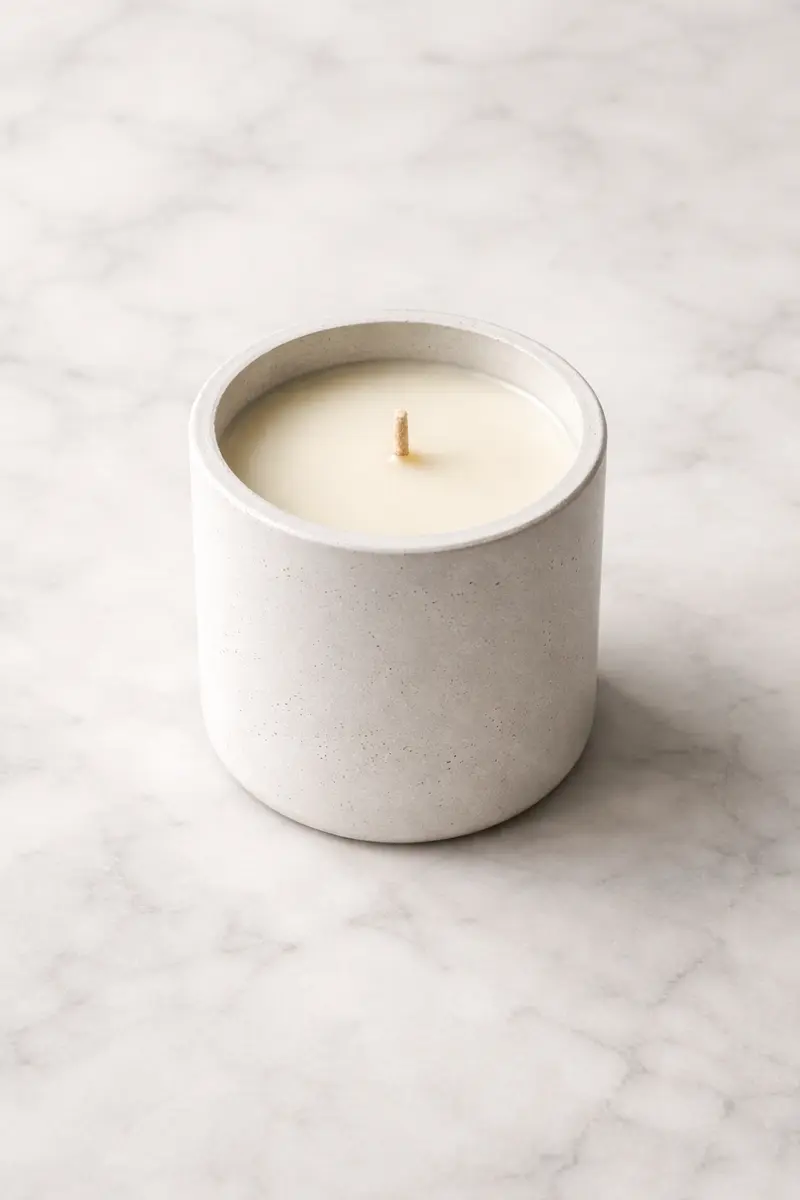
White Minimalist Concrete Soy Candle
$22–$42
A vanilla candle at your desk smells like dessert, not deadlines. The right scent keeps a home office feeling like a workspace instead of a bedroom that happens to have a laptop.
Choose scents in the woody or green family, like eucalyptus or vetiver, over floral or gourmand notes. Floral and dessert scents trigger the same relaxation cues as a bedroom candle, which works against you during a 2pm slump.
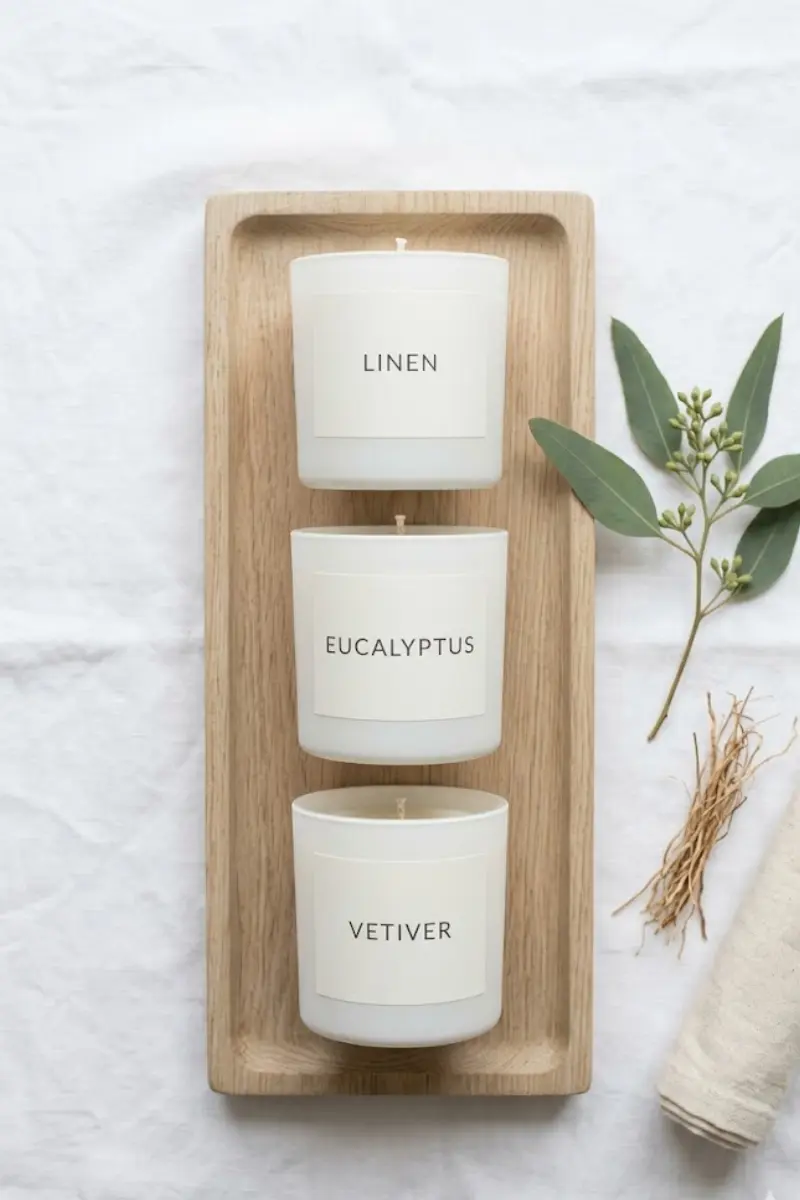
A floral or dessert scented candle at a desk sends the wrong signal to your own brain.
Vanilla and rose read as bedtime, not deadline, and a strong throw in a small home office turns distracting fast, especially on a video call where a guest can smell it too if the room’s small enough.
The wrong scent works against the exact focus you’re trying to create.
Get it right and the scent becomes part of your work cue, the same way a specific playlist signals focus.
A concrete candle with a clean woody scent, lit at the start of the workday.
Eucalyptus or vetiver instead of anything sweet.
The office smells like a workspace, not a bedroom that happens to have a desk in it, and that distinction matters more than it sounds.
Scent family matters more here than in any other room.
Two scent families to know:
Check the scent family on the label before checking anything else.
Vessel material is the second detail worth getting right.
A matte concrete vessel reads as architectural rather than decorative and doubles as a pen holder once the candle’s spent, which matters in a room where every surface earns its place.
A glossy or glitter finished jar looks better on a coffee table than on a desk covered in work.
This page covers which scent families actually support focus and which vessel styles suit a working desk instead of a nightstand.
The picks above lean toward clean, unisex scents built for exactly this room, and the Candles hub guide below covers the full range.
Not all candles work the same way in a home office space. Here's how the main types differ.
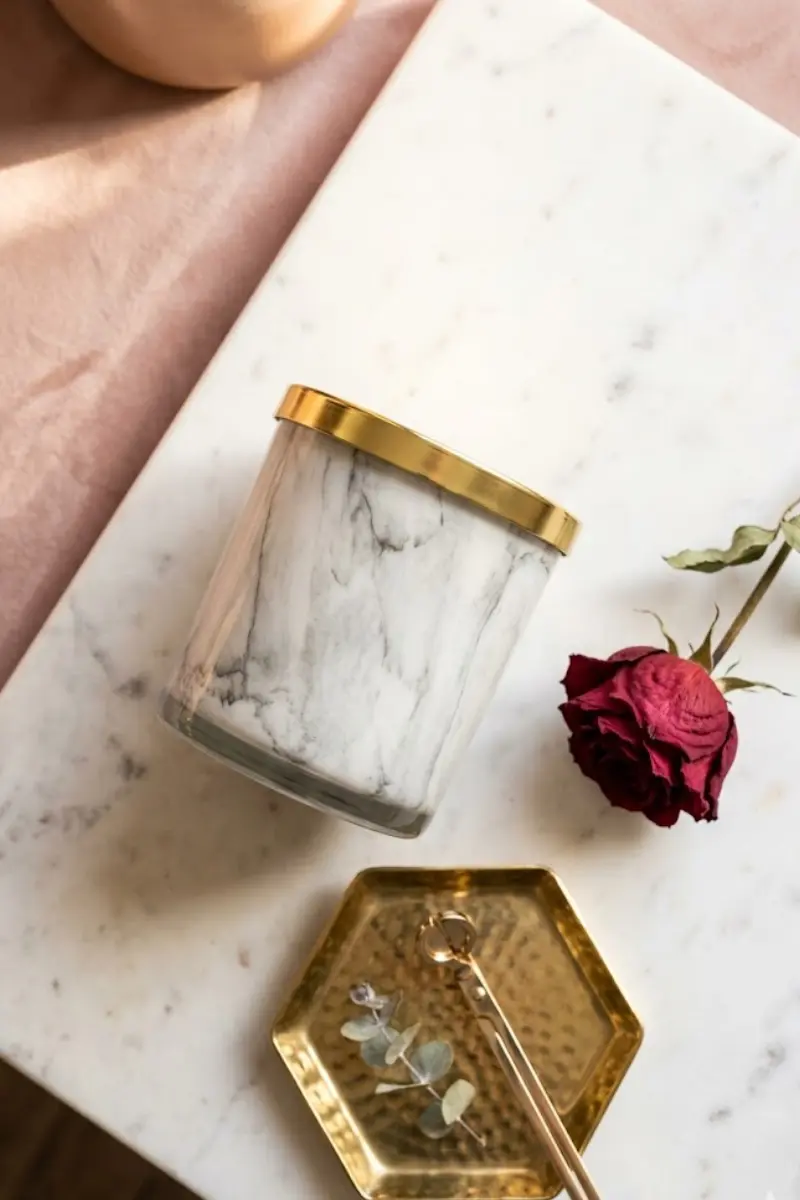
The default for a reason. A soy or paraffin-blend jar candle throws scent evenly across a mid-size room and the vessel doubles as decor once the wax is gone. Look for a lid. It protects the scent between burns.
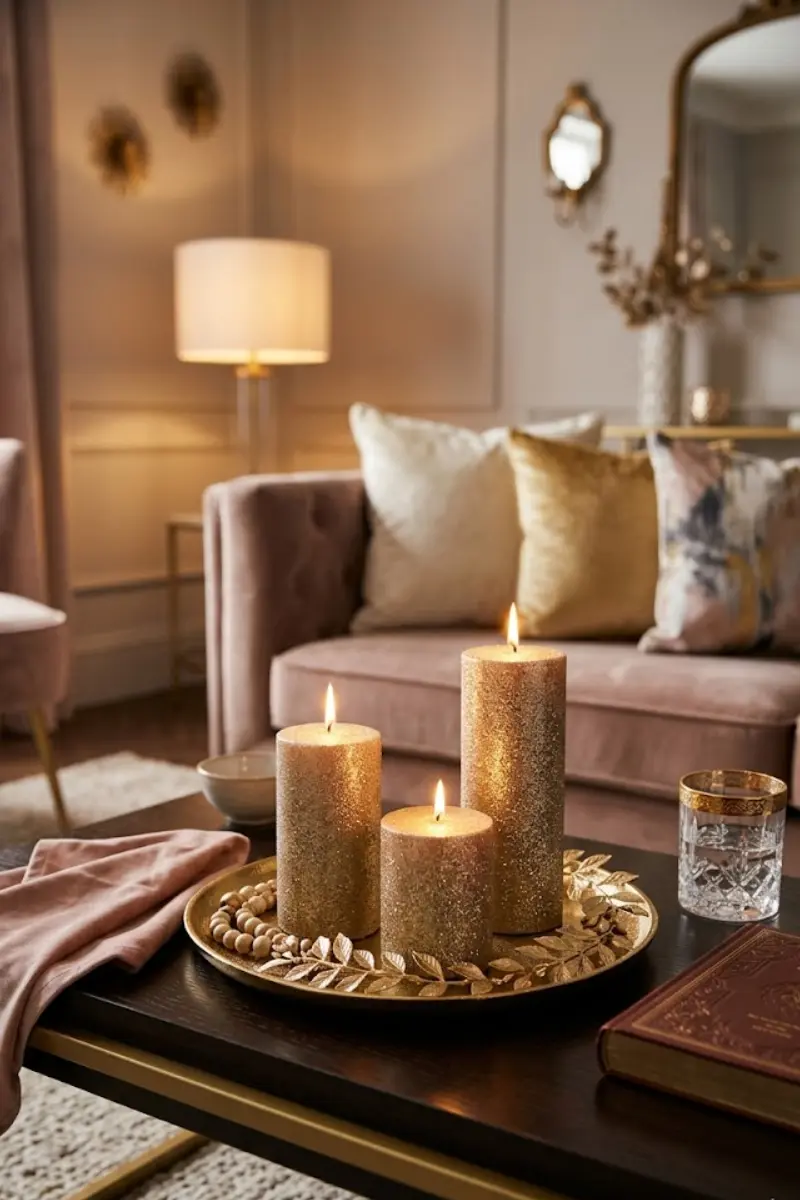
Freestanding, no jar required. Grouped in odd numbers on a tray or mantle, pillars do more visual work than any other format. Most are unscented or lightly scented. Buy these for the look, not the fragrance.
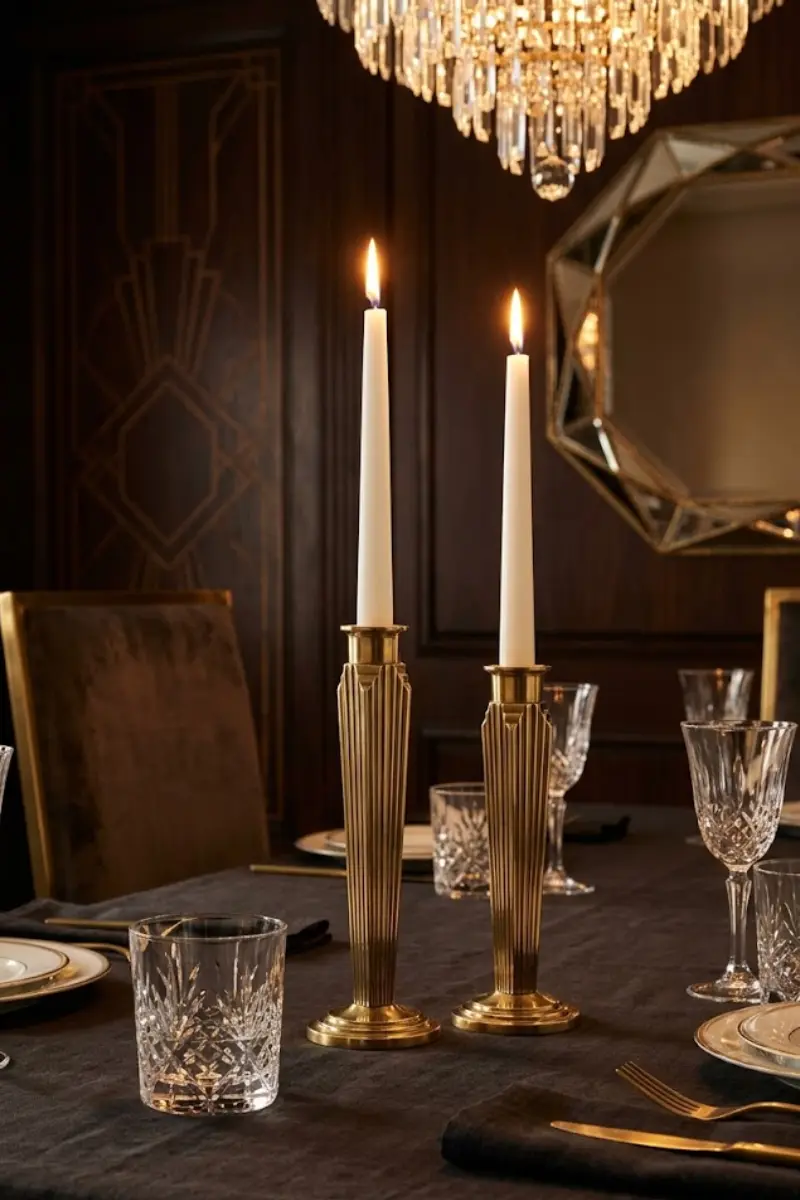
Needs a holder, and that's the point. The holder is half the styling. A pair of brass candlesticks with tapers reads formal and intentional in a way no jar candle can. Trim to 6 inches before lighting so they burn straight.
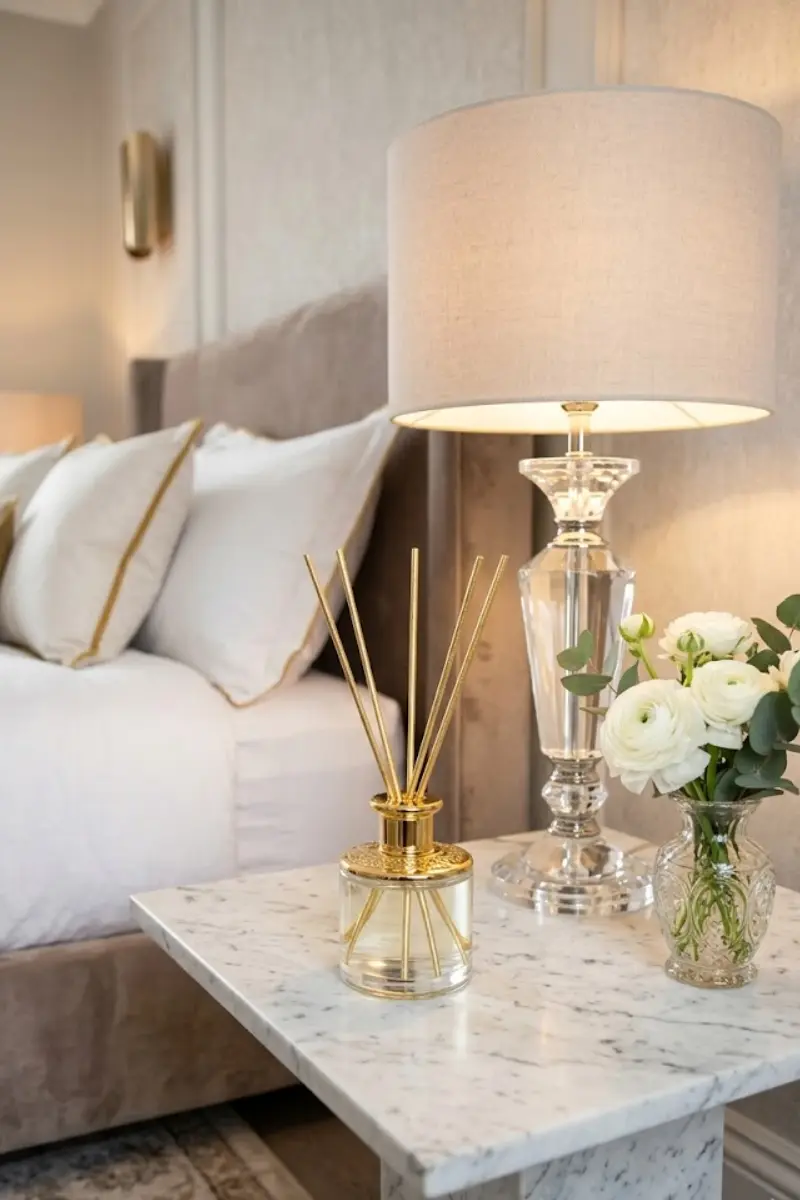
No flame, no maintenance beyond flipping the reeds weekly. Scent is constant but quieter than a lit candle. This is the format for rooms you don't want to actively manage, like a guest bedroom or entryway.
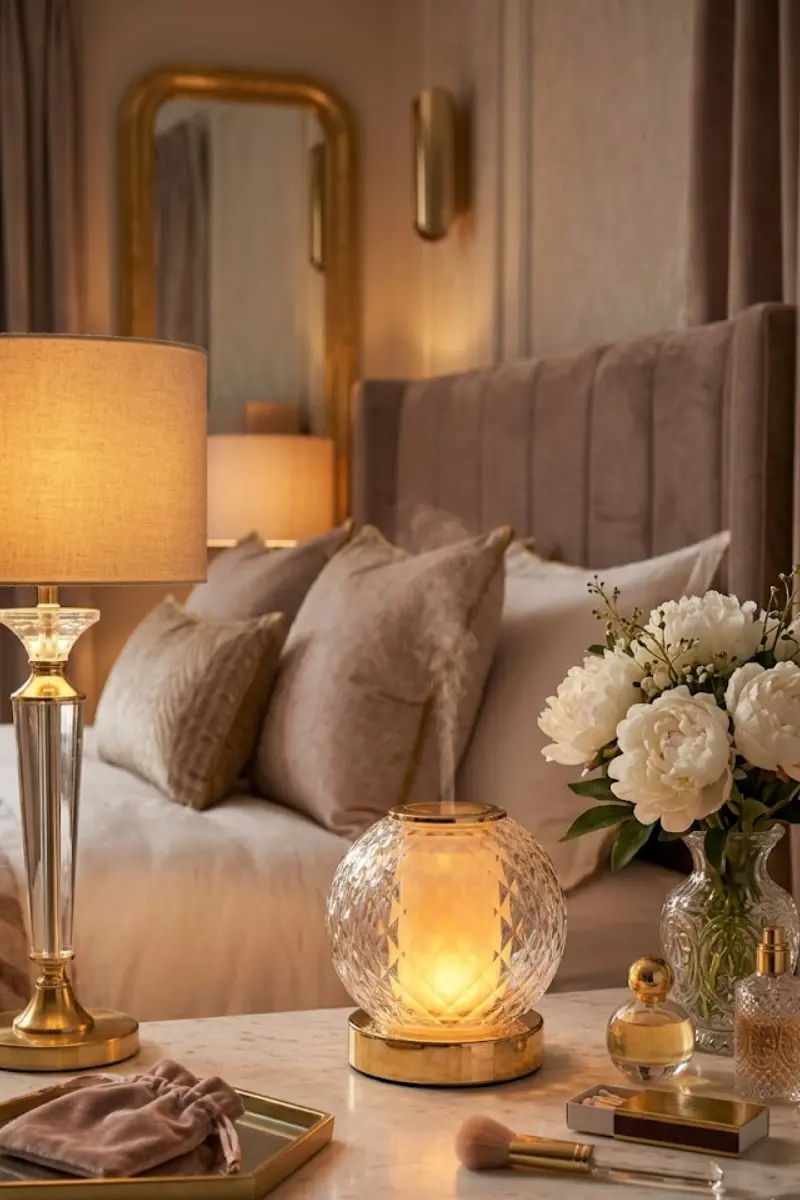
Ultrasonic mist means you control intensity and runtime instead of the wax controlling it for you. Most double as a soft night light. The only format here that adds humidity to the room, which matters in dry climates.
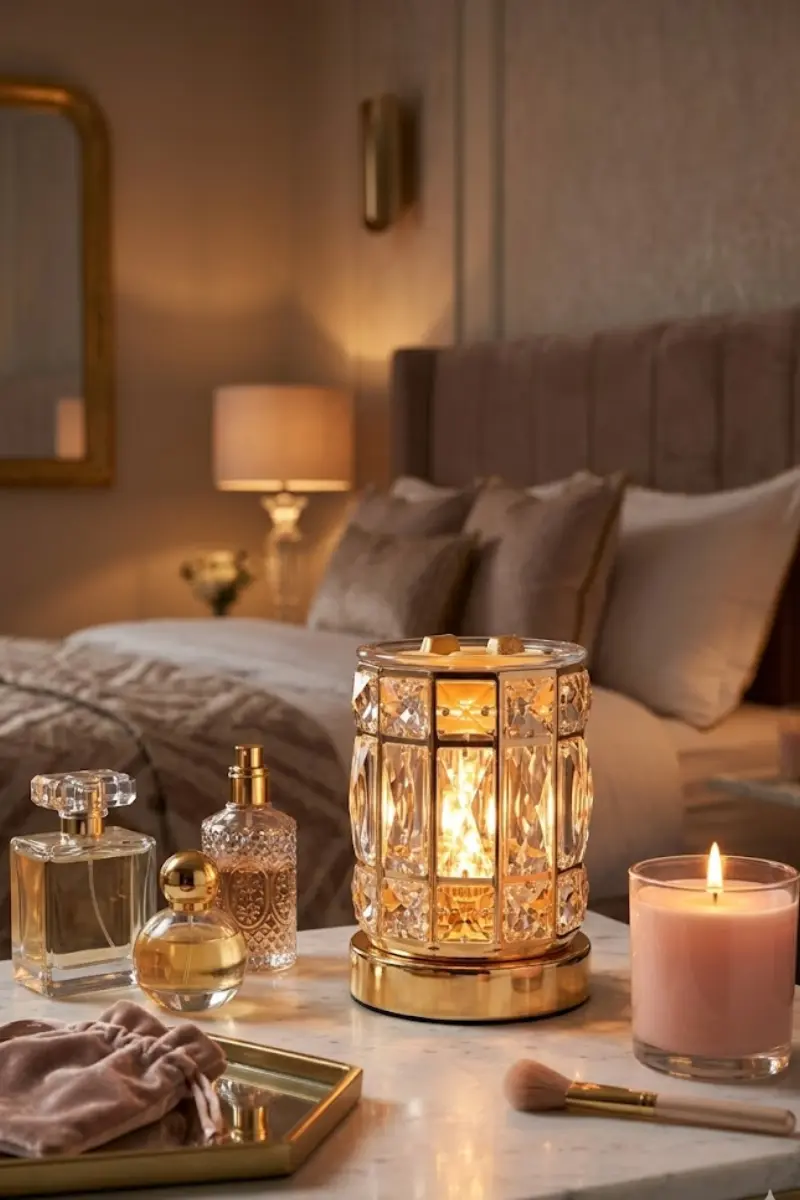
Zero flame risk, which makes this the format for homes with kids or pets. Scent throw is strong and immediate since the wax is heated, not burned. The warmer itself becomes a permanent bedside object. Buy one you actually like looking at.
You can get a real hand-poured jar candle with genuine fragrance oil under $25. Check burn …
Read guide →
Terracotta, raw ceramic, and beeswax carry the boho candle look. Not woven baskets and …
Read guide →
Soy wax burns cooler, longer, and with less soot than paraffin. Here's the real …
Read guide →Types, styles, sizing rules, and our complete pick list, all in one place.
Browse All Candles →