Layer a heavier knit or waffle weave throw over a crisp white duvet. The contrast in texture, not color, is what makes a Scandinavian bed feel cozy instead of stark.
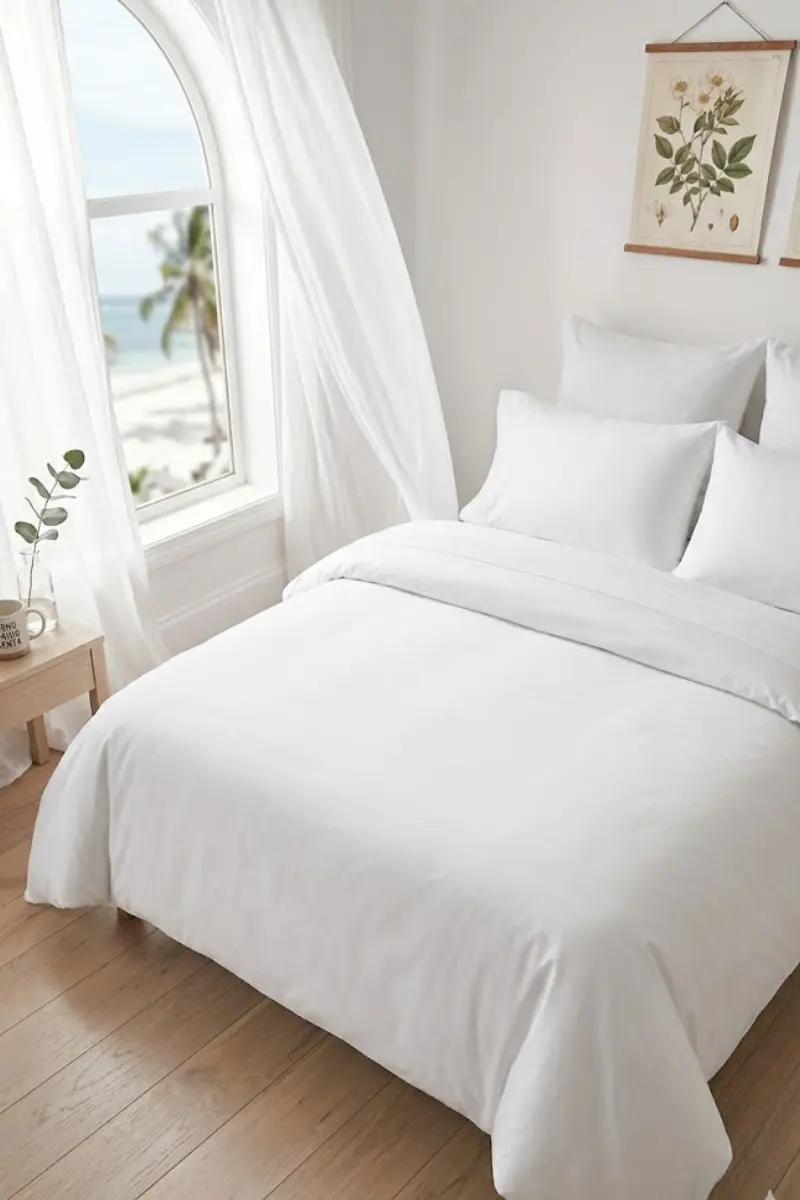
Scandinavian bedding is often mistaken for plain minimalism, which is the fastest way to get it wrong.
A bare white duvet with nothing else added reads stark and a little cold, more hospital than home.
The style isn’t about removing warmth, it’s about creating warmth through texture instead of color, and skipping that second part is where a lot of attempted Scandinavian bedrooms end up feeling unfinished.
Done right, the bed reads calm and genuinely cozy at the same time.
A crisp white percale base gives the clean, considered look the style is known for.
A heavier knit or waffle weave throw layered on top adds the tactile warmth that word hygge is actually describing.
The contrast between crisp and cozy, not a shift in color, is what makes the bed feel finished.
Texture contrast is the specific technique worth understanding.
Pairing a smooth, crisp base layer with one visibly heavier, textured top layer does more for the room than switching the entire bed to one uniform fabric.
Restraint on layer count matters as much as texture choice. The right range for this style, usually two to three total pieces:
- A base sheet set
- A duvet
- One throw
The bedding below is grouped so a crisp base pairs easily with a textured top layer, the exact combination this style is built on.
Start with the base set in white or soft grey, then add one textured throw.
Types of Bedding
Not all bedding work the same way in a scandinavian space. Here's how the main types differ.
Duvet Covers
A removable cover for your duvet insert, the most important bedding piece. Sets the entire look and feel of your bedroom. Available in cotton, linen, velvet, and satin. Choose carefully, you'll look at it every day.
Sheet Sets
Fitted sheet, flat sheet, and pillowcases sold together. Thread count matters but weave matters more. Percale for crisp cool feel, sateen for silky soft warmth. 400+ thread count sateen is the luxury standard.
Pillowcases
Often overlooked but hugely impactful. Satin and silk pillowcases reduce hair frizz and skin creasing. Decorative euro shams add hotel-style layering depth to any bed.
Throw Blankets
Decorative blankets draped at the foot of the bed or over a reading chair. Chunky knit throws are the signature glam bedroom accessory. They add texture, warmth, and instant cosiness.
Bed Runners
A narrow strip of decorative fabric laid across the foot of the bed. Used in hotel-style bed dressing to add a layer of colour and texture without a full throw.
Quilts & Coverlets
Lighter than a duvet, quilts and coverlets sit on top of the bed as a decorative layer. Perfect for warmer climates or as an additional layer in the hotel-style bed.
Browse All Scandinavian Bedding
Ideas & Inspiration
Four real duvet covers starting at $69 to $85, satin, percale, ruffle trim, and linen, …
Read guide →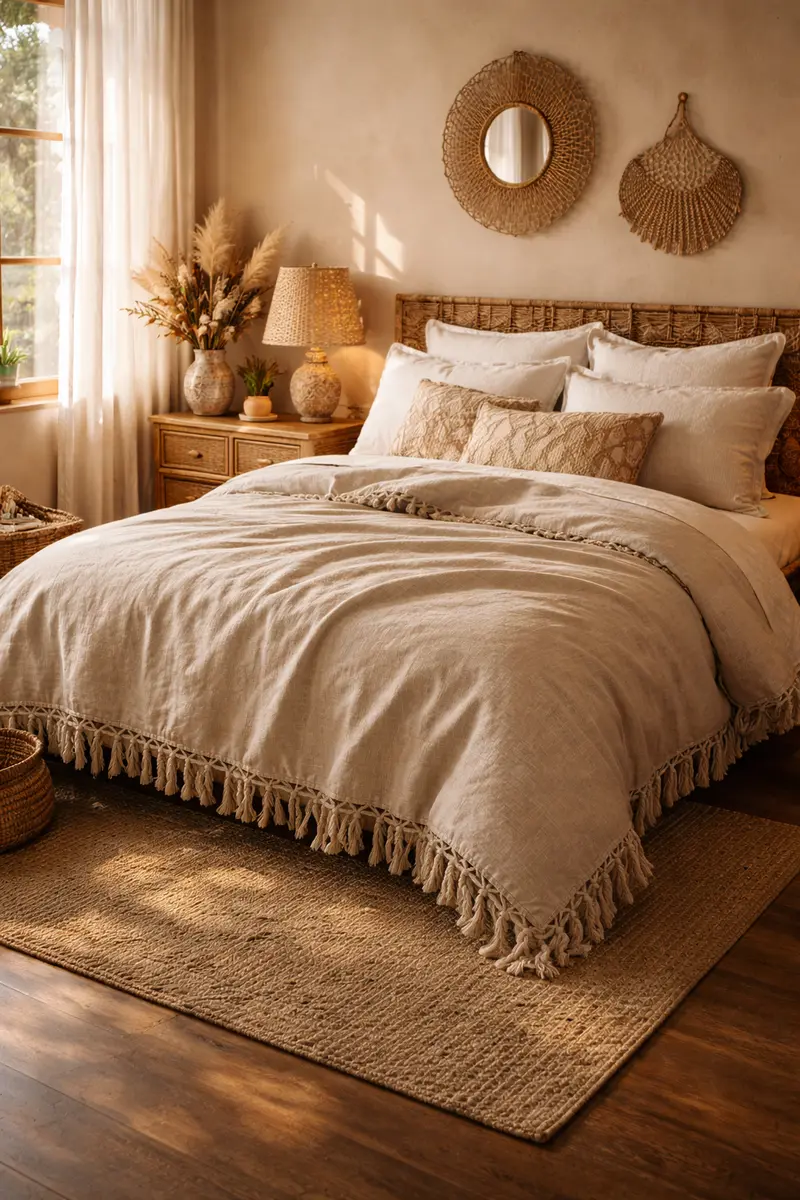
Boho bedding works by layering texture, not pattern. Stonewashed linen, washed cotton, …
Read guide →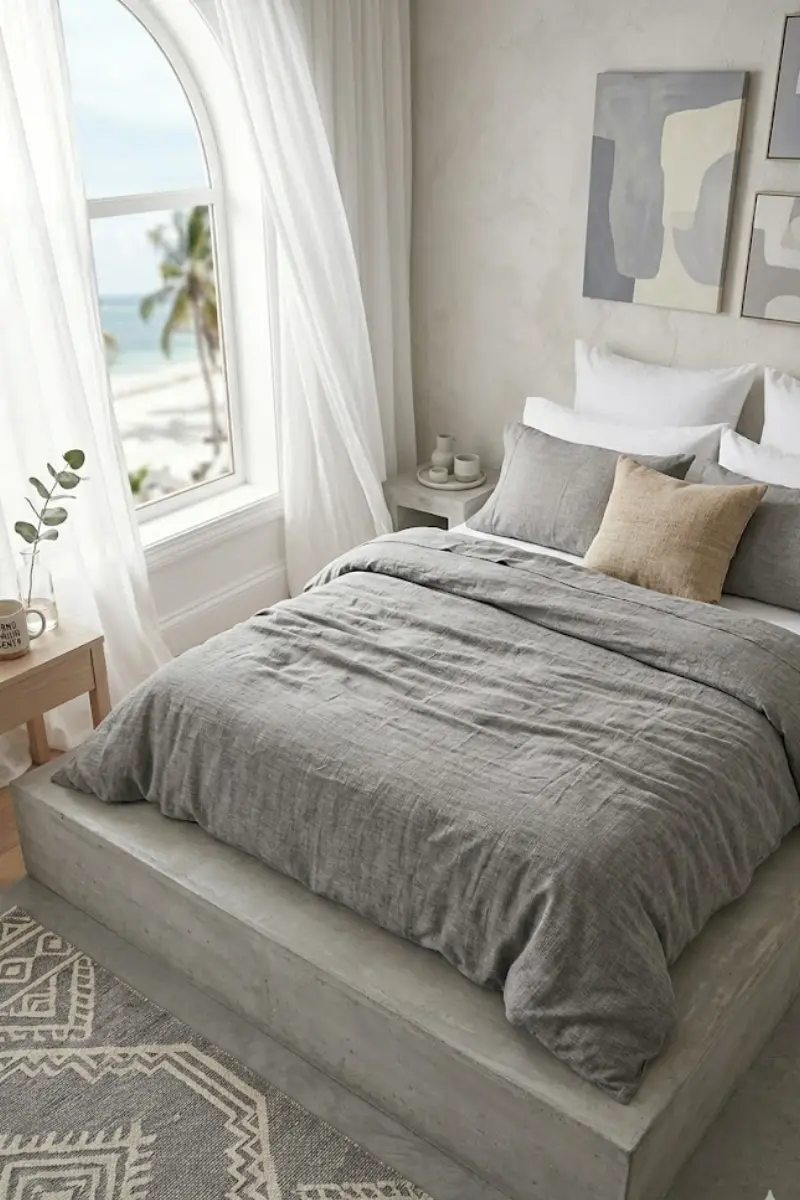
Linen wicks more moisture and suits hot sleepers and humid climates. Cotton percale is …
Read guide →Frequently Asked Questions
What is the difference between Scandinavian and modern minimalist bedding?
What color is authentic Scandinavian bedding?
How do you make white bedding feel cozy instead of clinical?
What fabric is most Scandinavian?
Does Scandinavian bedding ever use pattern?
How many layers should a Scandinavian bed have?
Want the Full Bedding Guide?
Types, styles, sizing rules, and our complete pick list, all in one place.
Browse All Bedding →