Fold the throw once and drape it over one end of the bench, leaving room to sit down. A throw covering the full bench looks like it's protecting the seat rather than dressing it.
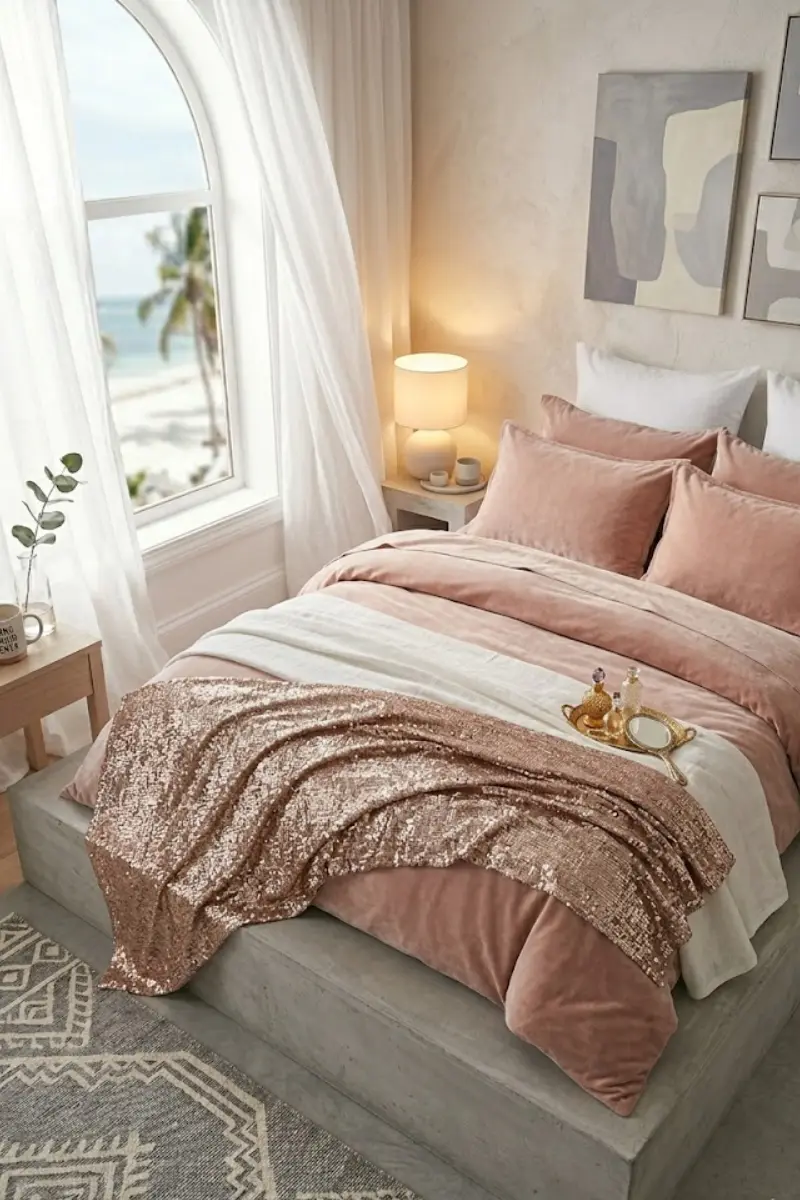
An entryway has no bed, no headboard, nothing bedding is actually built for, so most of what’s in a bedding collection simply doesn’t apply here.
But entryways share one real problem with bedrooms and living rooms: hard, cold surfaces with nothing soft anywhere in reach.
Most entryways run on the same hard materials:
- A bench with no cushion
- A console table
- Coat hooks
All wood and metal, and the room ends up feeling like a hallway to pass through rather than a space someone thought about.
One folded throw fixes the actual problem without forcing bedding where it doesn’t belong.
Draped over one end of an entryway bench, it softens the hardest seat in the house and gives a guest something warm to grab while pulling on boots.
It also adds a single color note to a space that’s usually kept neutral on purpose, since coats, bags, and shoes already bring enough visual noise.
Durability matters more here than in any other room on this list.
An entryway sees more dirt, moisture, and daily handling than a living room or bedroom, so a tighter weave like cotton percale or a structured knit holds up better than a delicate or loose fabric.
Velvet and sequin look striking in a photo but show wear fast this close to an exterior door.
Color choice depends entirely on how much natural light the entryway gets.
Most entryways are the dimmest room in a house, so a lighter, warmer tone like ivory or a soft metallic reads more open than a dark, saturated color, which can make an already small, low light space feel smaller.
Save darker throws for an entryway with a window or sidelight bringing in real daylight.
Only entryways with an actual bench or seat need this at all.
If that’s the setup, pick one throw below, place it once, and leave the rest of the space to coat hooks and a mirror.
Types of Bedding
Not all bedding work the same way in a entryway space. Here's how the main types differ.
Duvet Covers
A removable cover for your duvet insert, the most important bedding piece. Sets the entire look and feel of your bedroom. Available in cotton, linen, velvet, and satin. Choose carefully, you'll look at it every day.
Sheet Sets
Fitted sheet, flat sheet, and pillowcases sold together. Thread count matters but weave matters more. Percale for crisp cool feel, sateen for silky soft warmth. 400+ thread count sateen is the luxury standard.
Pillowcases
Often overlooked but hugely impactful. Satin and silk pillowcases reduce hair frizz and skin creasing. Decorative euro shams add hotel-style layering depth to any bed.
Throw Blankets
Decorative blankets draped at the foot of the bed or over a reading chair. Chunky knit throws are the signature glam bedroom accessory. They add texture, warmth, and instant cosiness.
Bed Runners
A narrow strip of decorative fabric laid across the foot of the bed. Used in hotel-style bed dressing to add a layer of colour and texture without a full throw.
Quilts & Coverlets
Lighter than a duvet, quilts and coverlets sit on top of the bed as a decorative layer. Perfect for warmer climates or as an additional layer in the hotel-style bed.
Browse All Entryway Bedding
Ideas & Inspiration
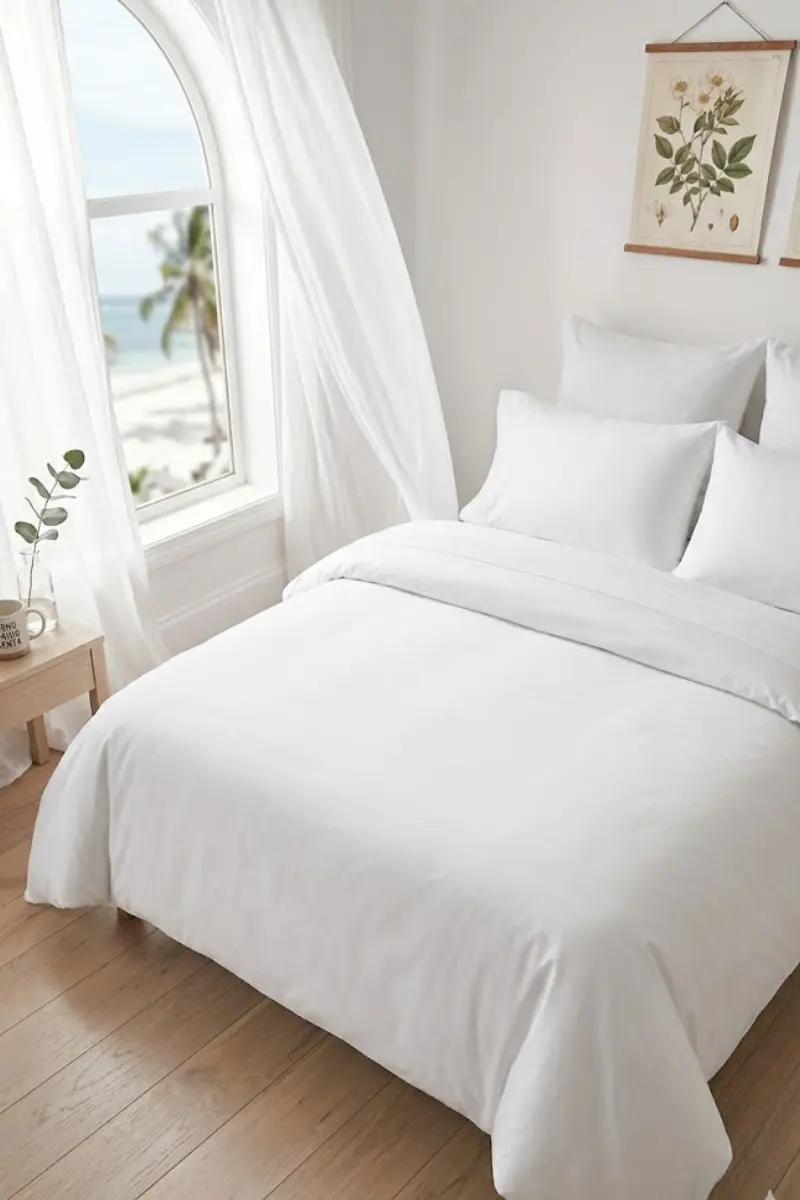
Four real duvet covers starting at $69 to $85, satin, percale, ruffle trim, and linen, …
Read guide →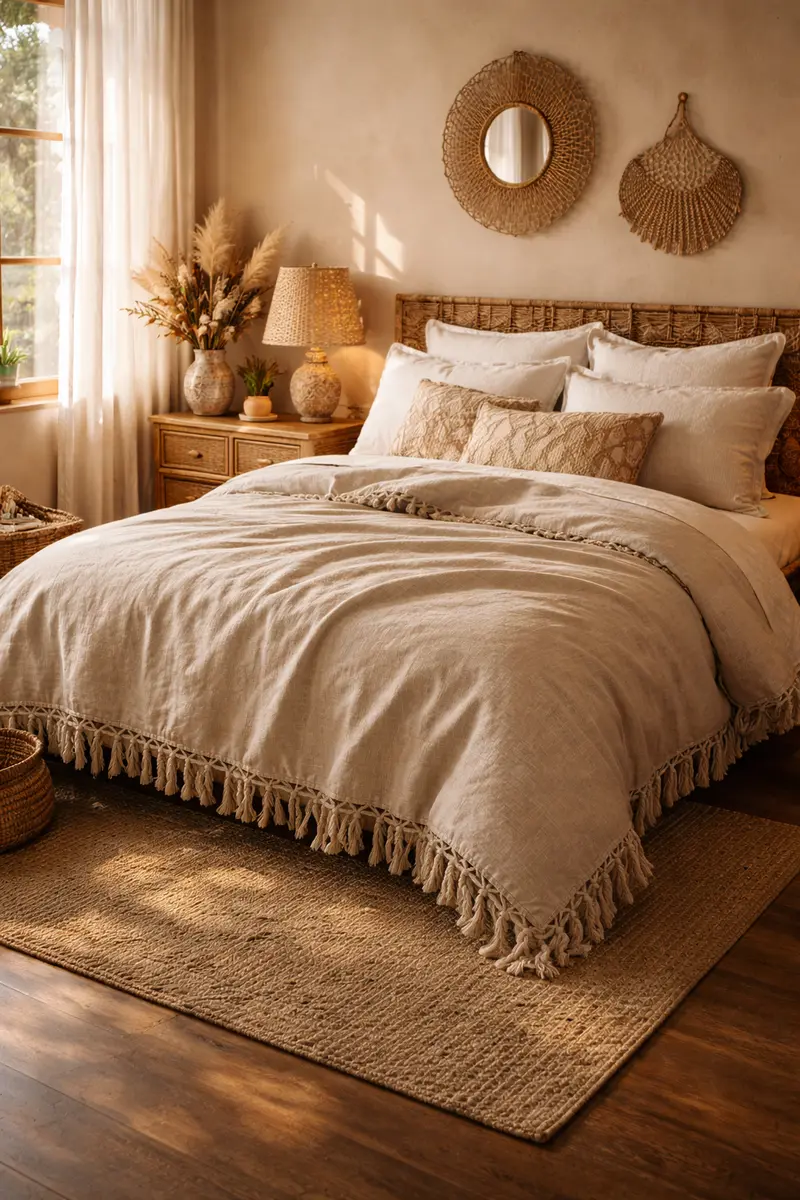
Boho bedding works by layering texture, not pattern. Stonewashed linen, washed cotton, …
Read guide →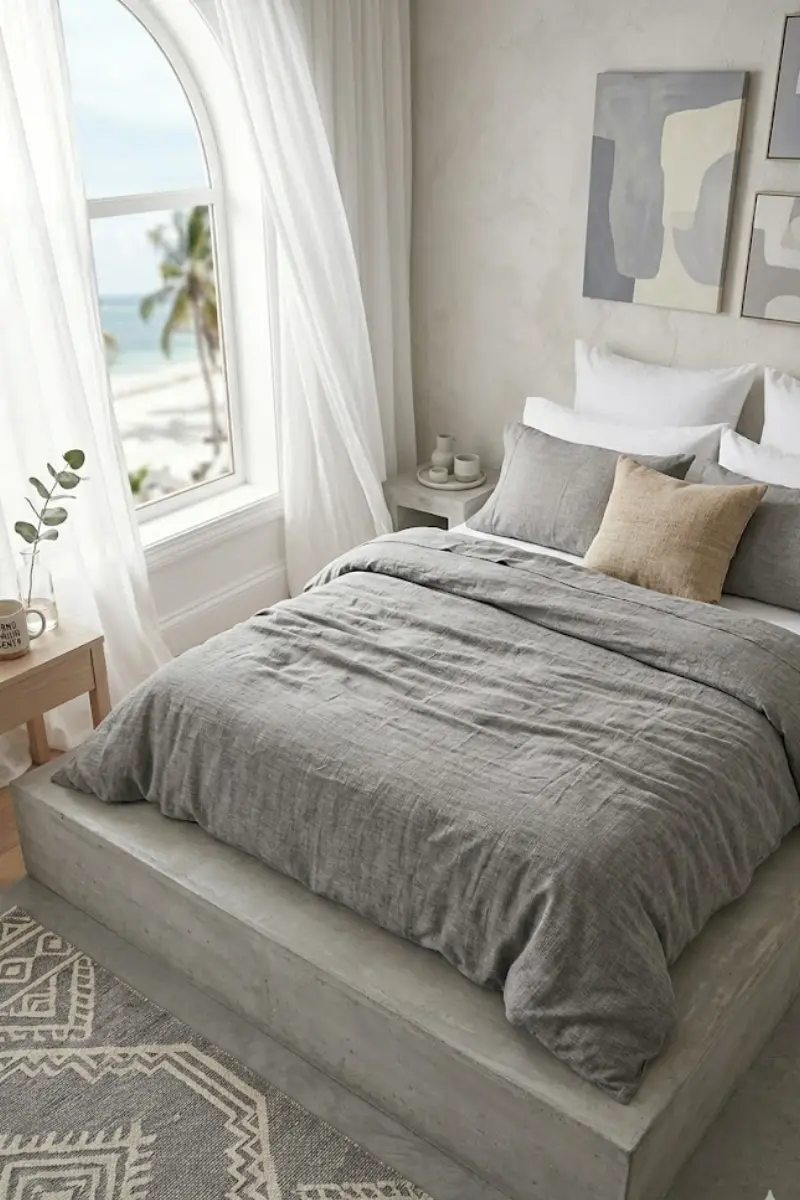
Linen wicks more moisture and suits hot sleepers and humid climates. Cotton percale is …
Read guide →Frequently Asked Questions
Should you put bedding in an entryway?
What is the point of a throw blanket on an entryway bench?
What fabric throw holds up best by a front door?
Does every entryway need a throw blanket?
What color throw works best in a small entryway?
How often should an entryway throw be washed?
Want the Full Bedding Guide?
Types, styles, sizing rules, and our complete pick list, all in one place.
Browse All Bedding →