Fold the throw in thirds lengthwise and drape it over one arm of the sofa so a third of it pools on the seat cushion. Draping it flat across the back reads more like laundry than styling.
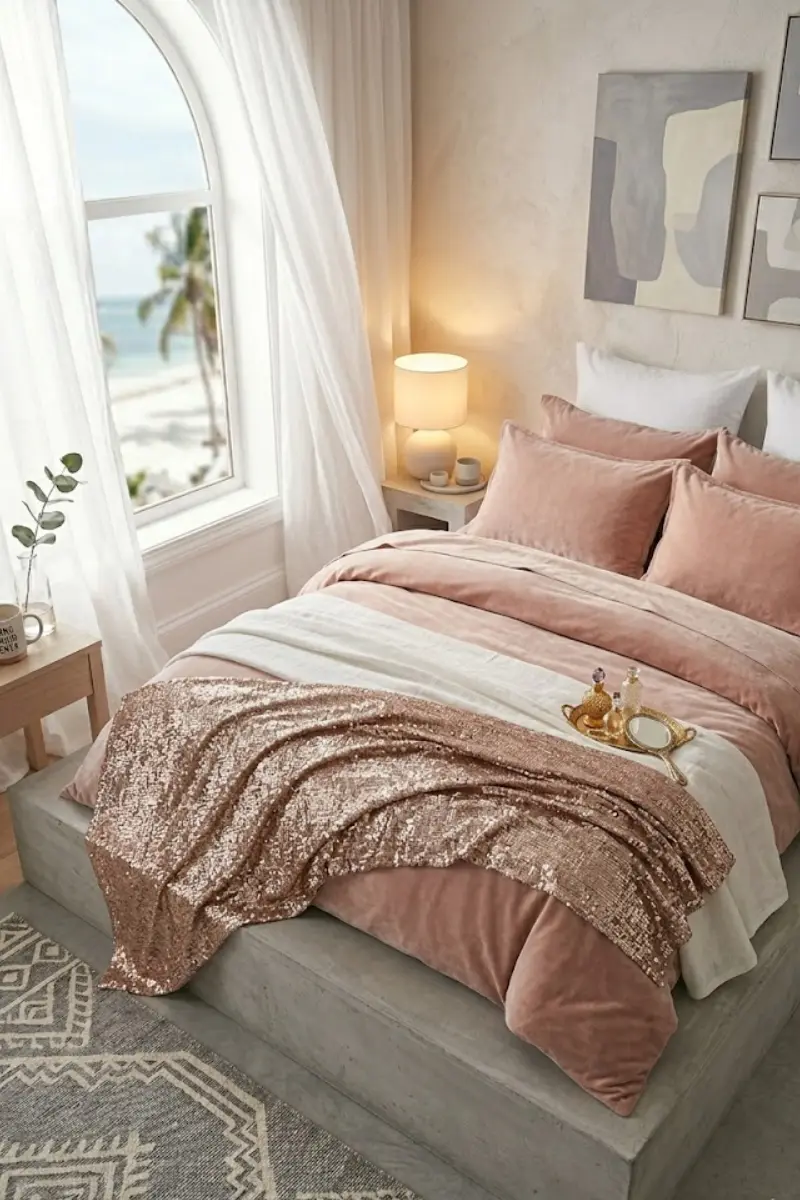
A living room with a good sofa and no throw still reads like a showroom, not a home someone actually lives in.
The seating is right, the layout works, but the surfaces feel untouched.
A throw blanket is the one piece of bedroom style textile that crosses into a living room without looking out of place, and skipping it is the most common reason an otherwise finished room photographs flat.
Done right, a single folded throw does more work than a whole extra pillow or two.
It adds a soft, uneven line against the straight edges of a sofa, catches lamp light differently than upholstery fabric does, and gives the room a layer that looks used rather than staged.
A velvet or sequin throw in particular picks up evening lamp light in a way flat upholstery never can.
Size matters more than most people expect.
A throw in a metallic tone, like rose gold or champagne, or one shade off from the sofa in either direction, adds contrast the room actually needs.
Texture does the same job: a chunky knit or velvet throw against a smooth linen sofa creates depth a matching cotton throw never will.
Everything below crosses over from the bedroom edit and works just as well in a living room:
- Throws
- Coverlets
- A few sheet sets for a daybed or guest sofa
Start with the throw since it’s the single fastest styling change on this list.
Types of Bedding
Not all bedding work the same way in a living room space. Here's how the main types differ.
Duvet Covers
A removable cover for your duvet insert, the most important bedding piece. Sets the entire look and feel of your bedroom. Available in cotton, linen, velvet, and satin. Choose carefully, you'll look at it every day.
Sheet Sets
Fitted sheet, flat sheet, and pillowcases sold together. Thread count matters but weave matters more. Percale for crisp cool feel, sateen for silky soft warmth. 400+ thread count sateen is the luxury standard.
Pillowcases
Often overlooked but hugely impactful. Satin and silk pillowcases reduce hair frizz and skin creasing. Decorative euro shams add hotel-style layering depth to any bed.
Throw Blankets
Decorative blankets draped at the foot of the bed or over a reading chair. Chunky knit throws are the signature glam bedroom accessory. They add texture, warmth, and instant cosiness.
Bed Runners
A narrow strip of decorative fabric laid across the foot of the bed. Used in hotel-style bed dressing to add a layer of colour and texture without a full throw.
Quilts & Coverlets
Lighter than a duvet, quilts and coverlets sit on top of the bed as a decorative layer. Perfect for warmer climates or as an additional layer in the hotel-style bed.
Browse All Living Room Bedding
Ideas & Inspiration
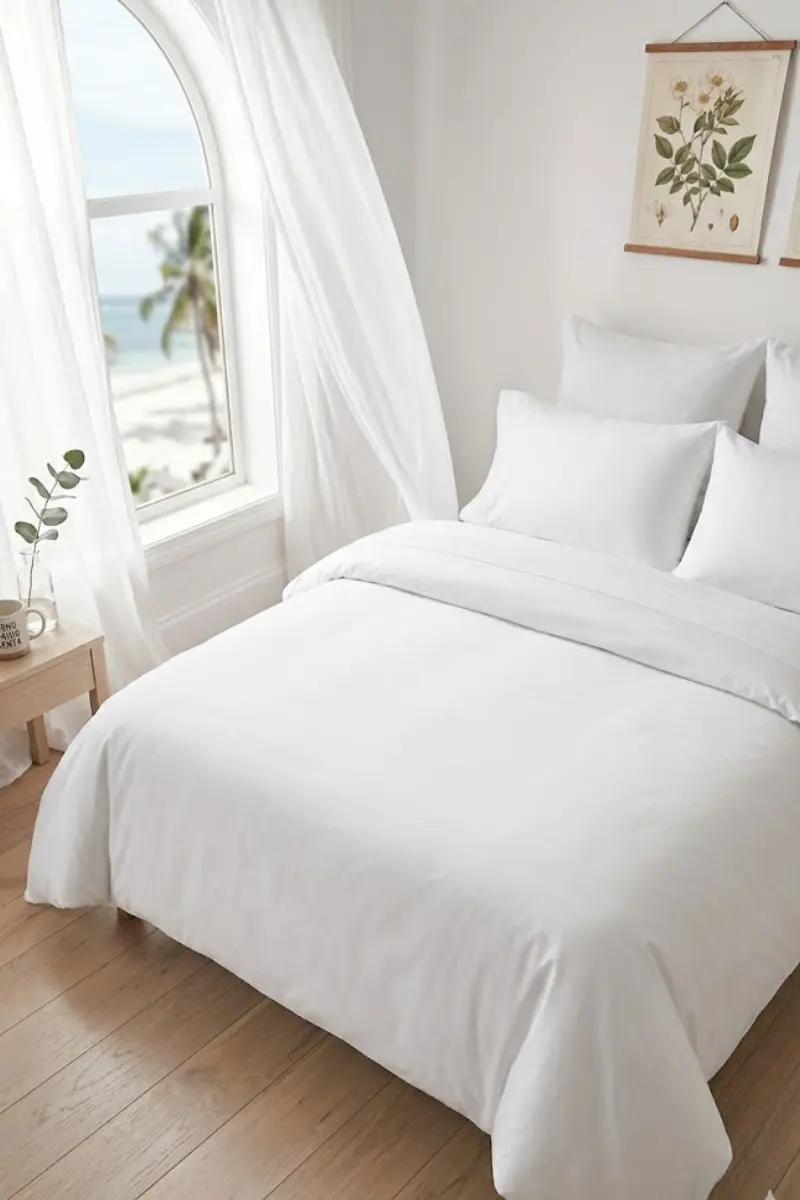
Four real duvet covers starting at $69 to $85, satin, percale, ruffle trim, and linen, …
Read guide →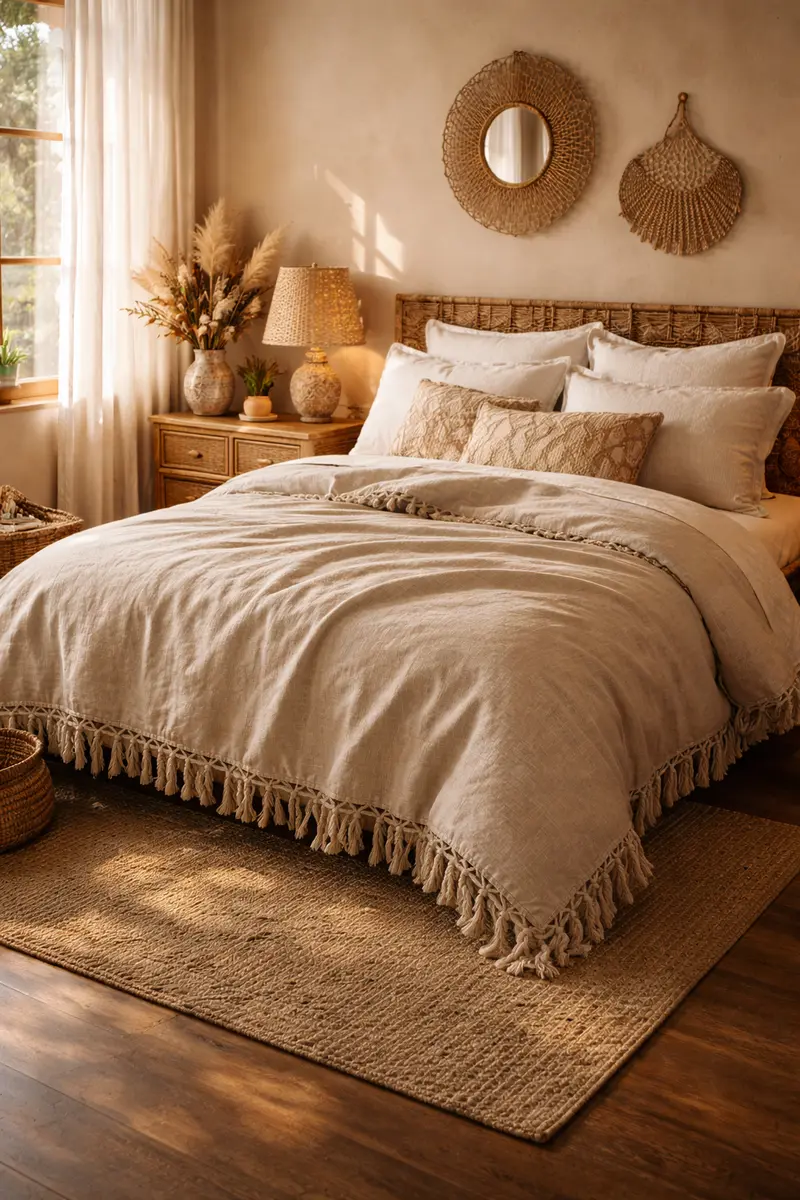
Boho bedding works by layering texture, not pattern. Stonewashed linen, washed cotton, …
Read guide →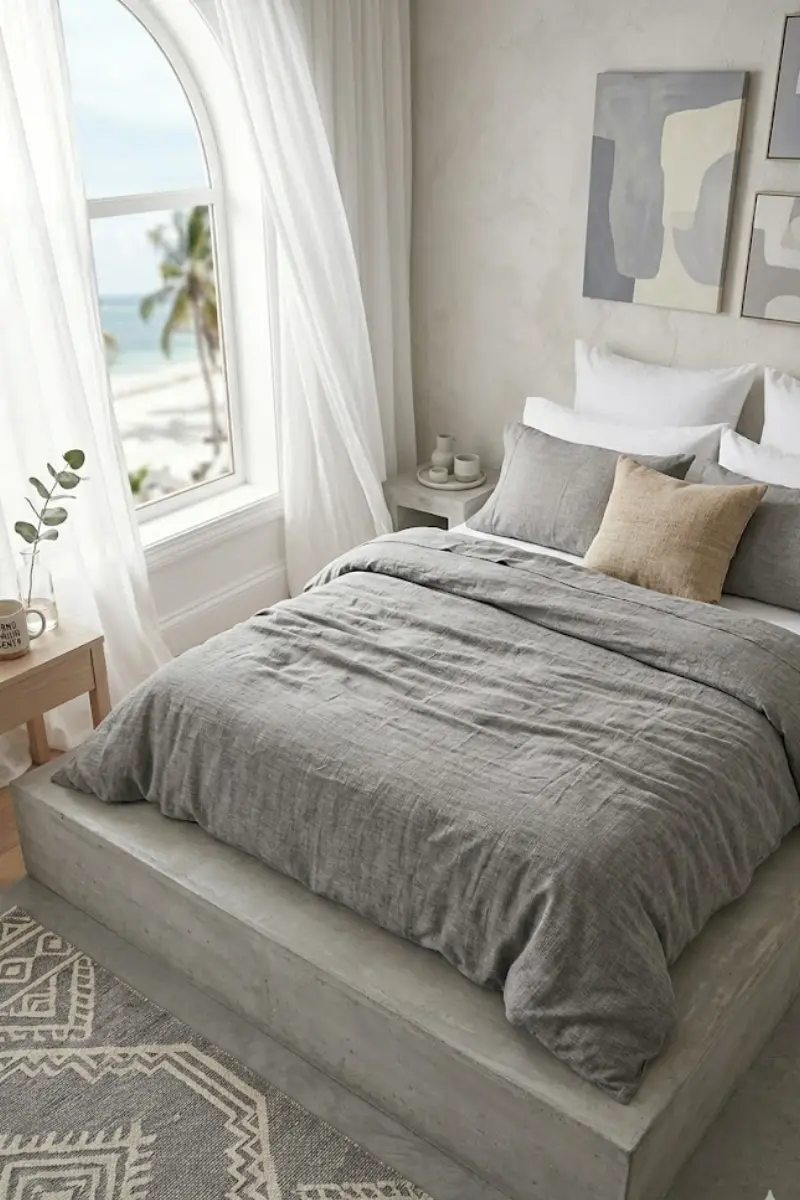
Linen wicks more moisture and suits hot sleepers and humid climates. Cotton percale is …
Read guide →Frequently Asked Questions
Can bedroom bedding actually work in a living room?
What size throw blanket fits a standard sofa?
How many throw pillows and blankets should a sofa have?
What fabric throw blanket works best in a living room?
Does a throw blanket need to match the sofa color?
Where else in a living room can bedding style textiles be used?
Want the Full Bedding Guide?
Types, styles, sizing rules, and our complete pick list, all in one place.
Browse All Bedding →